Campus
M3.6 🌱 Techniques & Pratiques 📖 21 parties ☀️ Terroir tropical & sahélien 🌐 English

Harvesting, Storing and Packaging

Les critères de maturité, récolte aux heures fraîches avec les bons gestes, lavage, égouttage, tri de calibrage et stockage optimal.

📋 Sommaire des chapitres (21 parties) Afficher / Masquer
🎥 Vidéos & Démonstrations pratiques (1) EN
Afficher / Masquer

Retrouvez l'ensemble des tutoriels, gestes techniques au champ et podcasts associés à ce module :

Harvest Preservation and Management Methods and Best Practices
⭐ Cours

Harvest Preservation and Management Methods and Best Practices

1
PARTIE 1 SUR 21 This document aims to provide guidance on the best techniques to use for harvesting, storing, and packaging
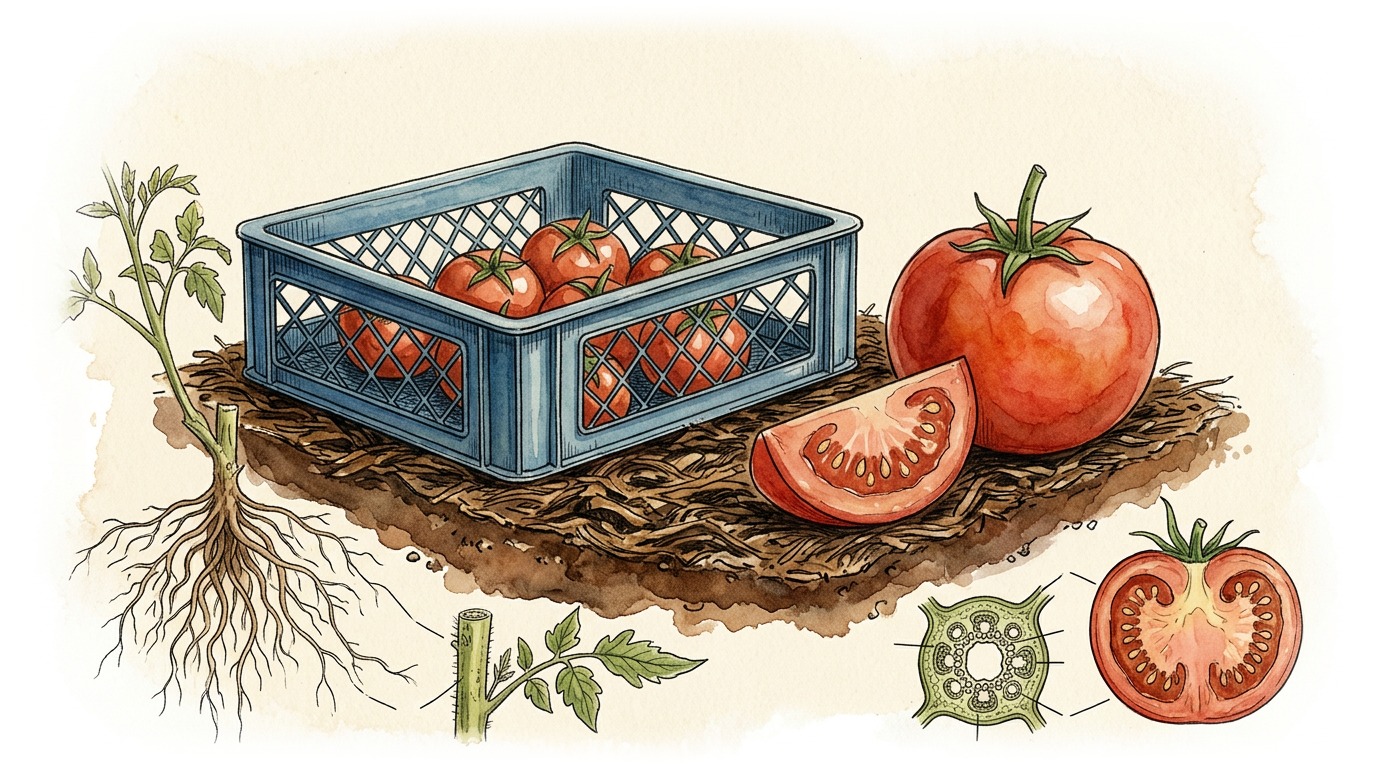
This document aims to provide guidance on the best techniques to use for harvesting, storing, and packaging

This document aims to provide guidance on the best techniques to use for harvesting, storing, and packaging

products.

These techniques enable products to retain their full quality.

2
PARTIE 2 SUR 21 MARKET GARDENING
MARKET GARDENING

MARKET GARDENING

TRAINING

HARVEST, STORE, PACKAGE

3
PARTIE 3 SUR 21 HARVEST
HARVEST

HARVEST

STORE

PACKAGE

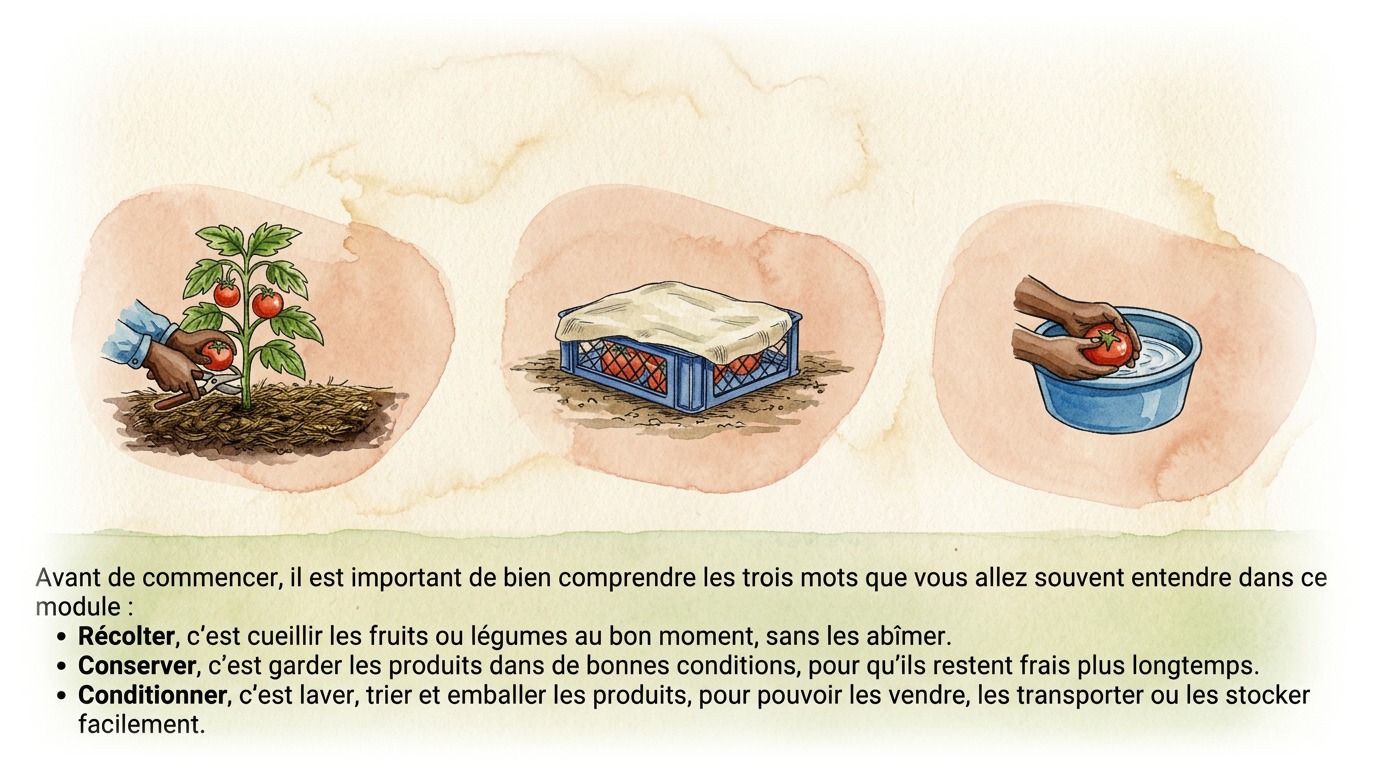
Before you begin, it is important to understand the three words that you will hear frequently in this module:

Harvesting means picking fruit or vegetables at the right time, without damaging them.

Storing means keeping produce in good conditions so that it stays fresh longer.

Packaging means washing, sorting, and wrapping produce so that it can be easily sold, transported, or stored.

4
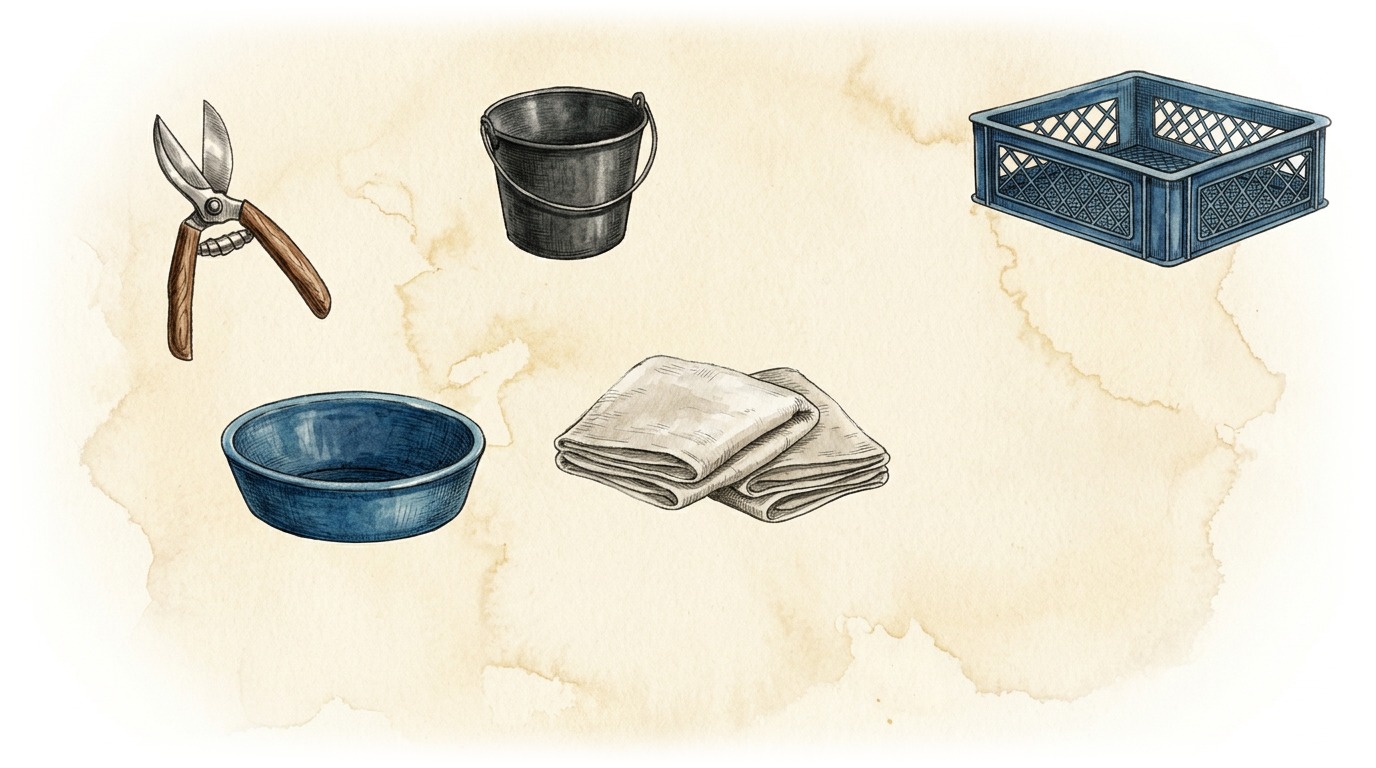
PARTIE 4 SUR 21 You will need the following equipment:
You will need the following equipment:

You will need the following equipment:

Pruning shears or scissors, depending on the crop

Plastic buckets, crates, or baskets

Shelves for storage

Basins

Fabrics

Tags

5
PARTIE 5 SUR 21 STEP 1: HARVEST AT THE RIGHT TIME AND USING
STEP 1: HARVEST AT THE RIGHT TIME AND USING

STEP 1: HARVEST AT THE RIGHT TIME AND USING

THE RIGHT TECHNIQUES

6
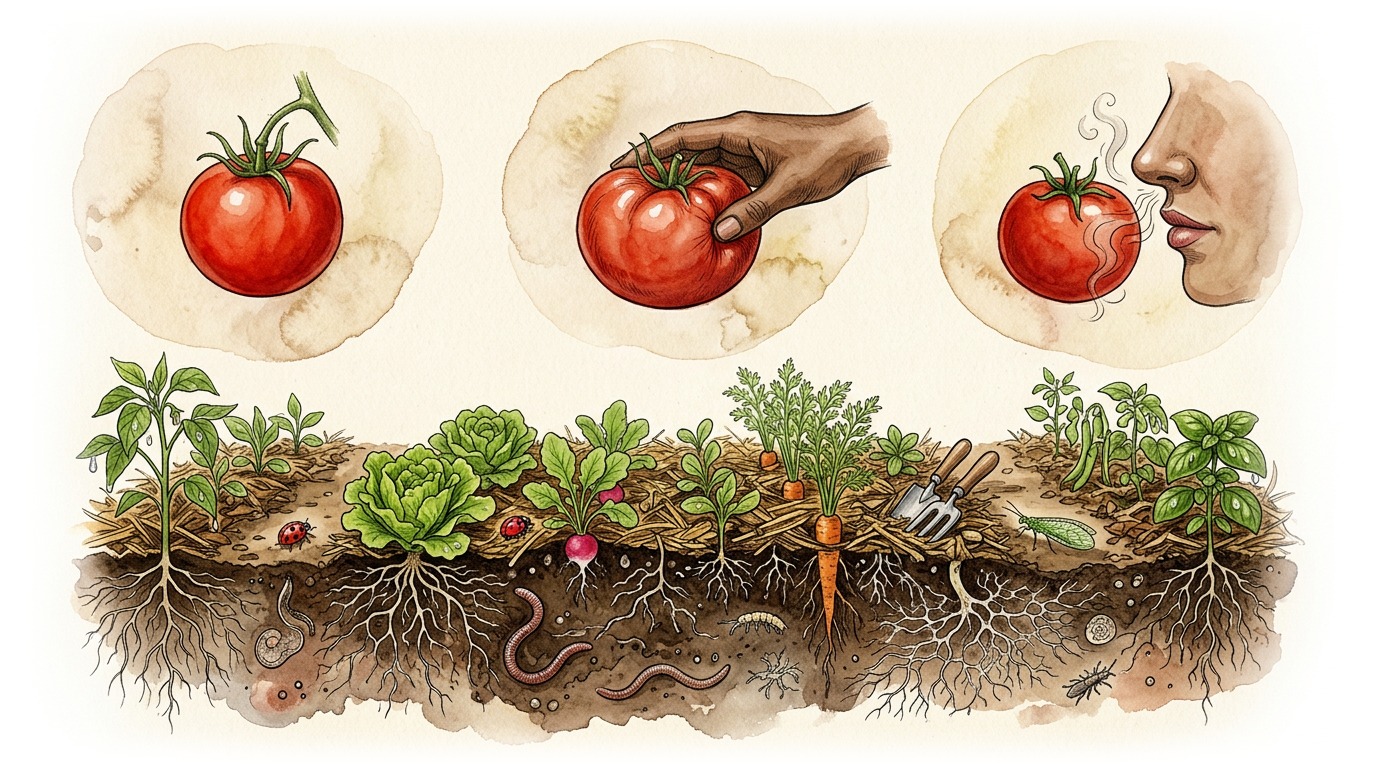
PARTIE 6 SUR 21 COLOR
COLOR

COLOR

FIRMNESS

SMELL / TASTE

You should harvest fruit and vegetables when they are ripe.

To do this, you need to look at several things:

The color: it changes as the produce ripens.

The firmness: by touching it, you can feel whether the fruit is still hard or starting to soften.

The smell and sometimes the taste: ripe fruit often smells good and tastes good if you can taste it.

7
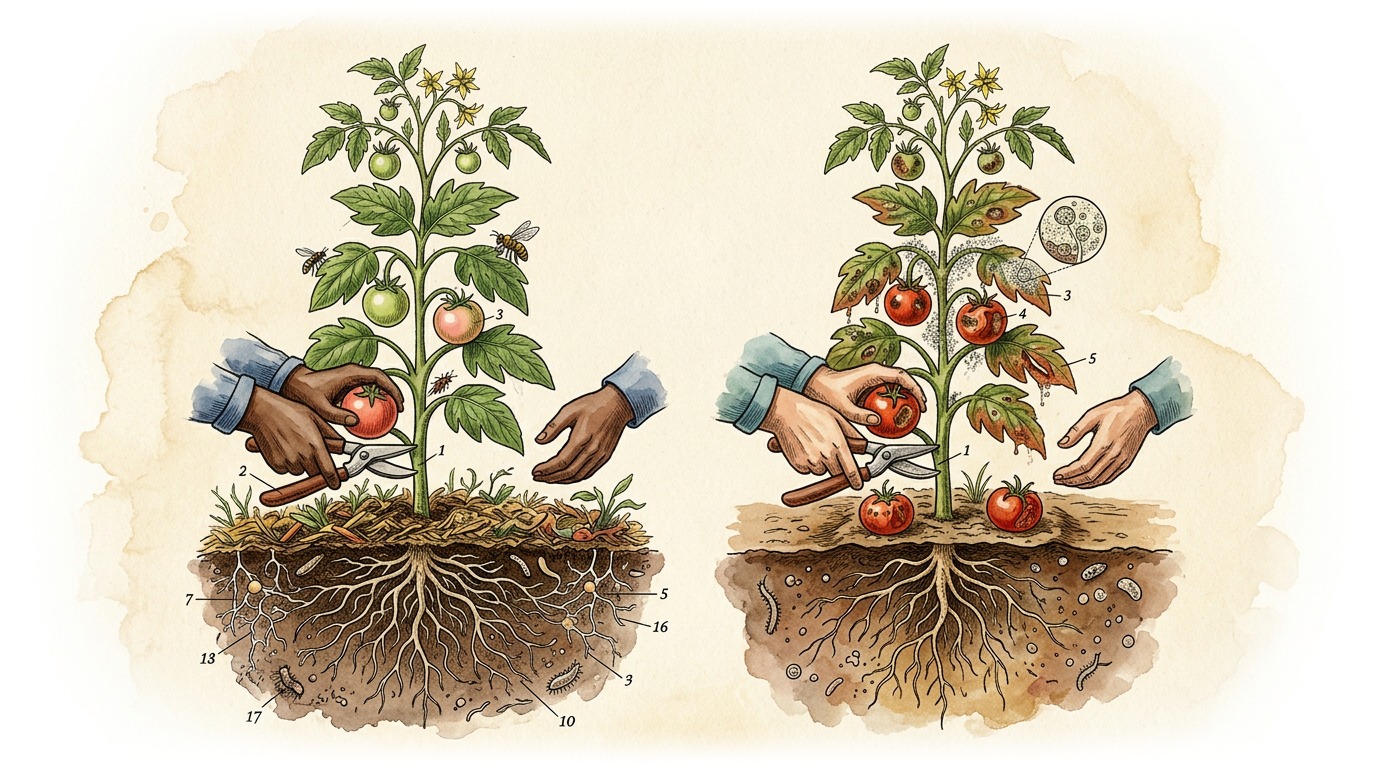
PARTIE 7 SUR 21 TOO SOON
TOO SOON

TOO SOON

If you harvest too early, the product is still hard and has no taste.

If you harvest too late, it may be damaged and difficult to sell.

TOO LATE

8
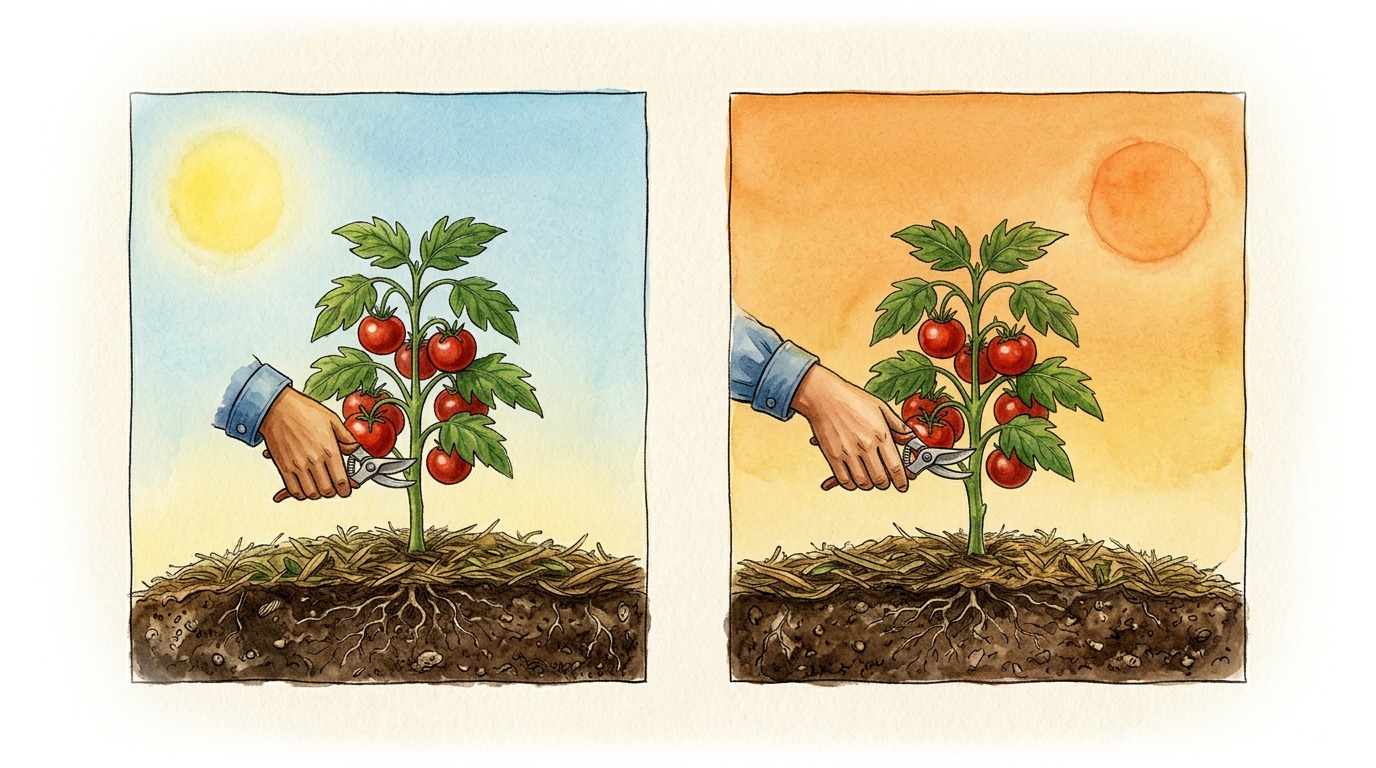
PARTIE 8 SUR 21 EARLY MORNING
EARLY MORNING

EARLY MORNING

Always harvest early in the morning or late in the day when it is cooler.

Cool temperatures help preserve crops better.

LATE IN THE DAY

9
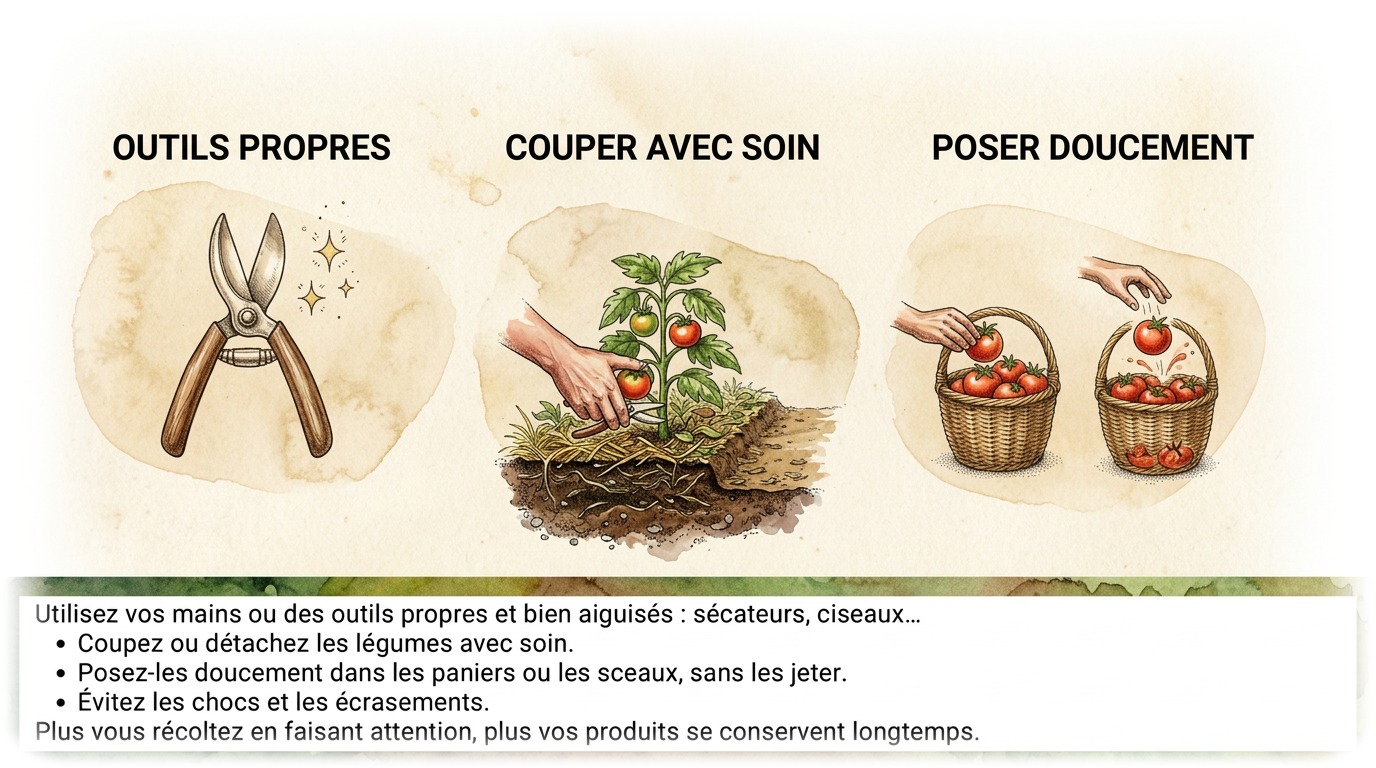
PARTIE 9 SUR 21 CLEAN TOOLS
CLEAN TOOLS

CLEAN TOOLS

CUT CAREFULLY

PLACE GENTLY

YES

Use your hands or clean, sharp tools such as pruning shears or scissors.

Cut or detach the vegetables carefully.

Place them gently in baskets or buckets, without throwing them.

Avoid knocking or crushing them.

The more carefully you harvest, the longer your produce will keep.

👍

NO

👎

10
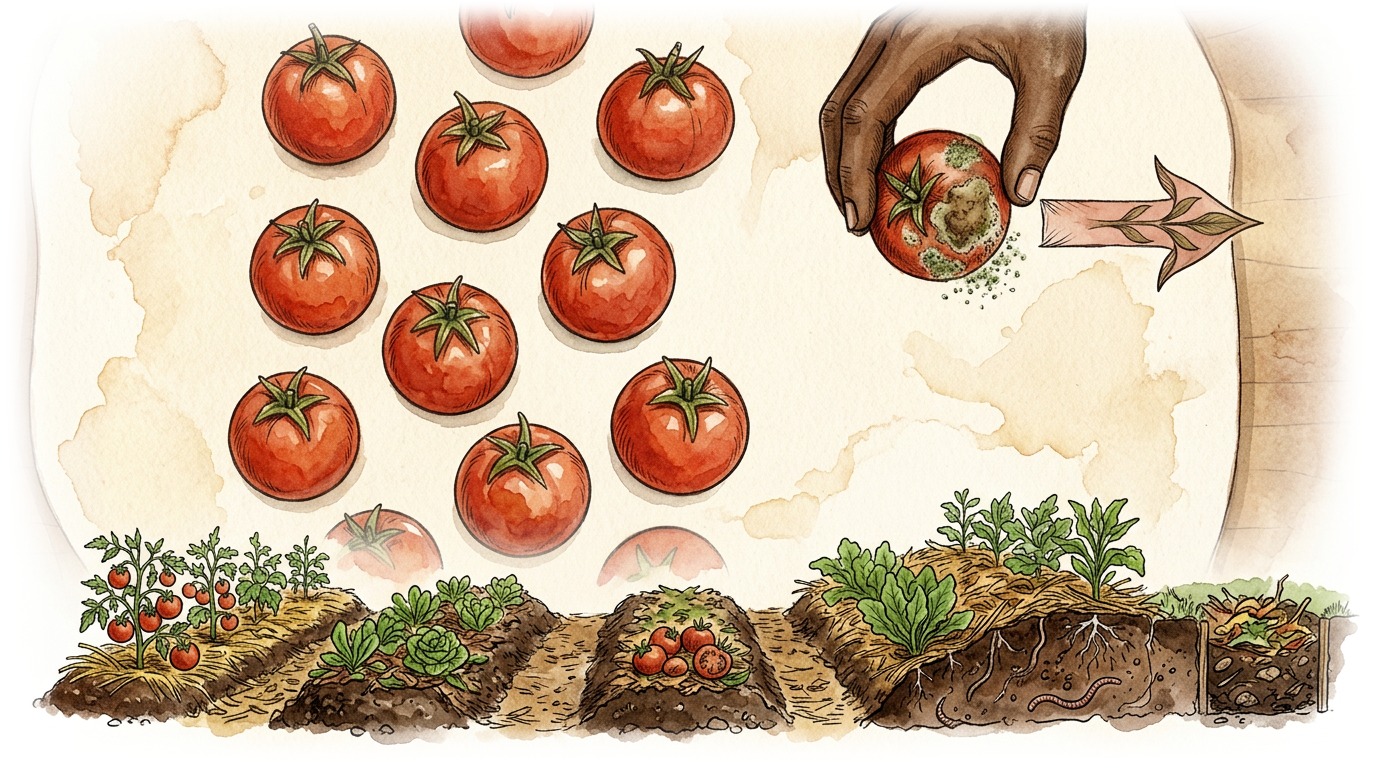
PARTIE 10 SUR 21 Once harvesting is complete, sort your produce immediately: rotten fruit can spread mold to other items. Set aside
Once harvesting is complete, sort your produce immediately: rotten fruit can spread mold to other items. Set aside

Once harvesting is complete, sort your produce immediately: rotten fruit can spread mold to other items. Set aside

any fruit or vegetables that are damaged, stained, or overripe so that they do not spoil the rest of the harvest.

11
PARTIE 11 SUR 21 STEP 2: WASH AND DISINFECT IF NECESSARY
STEP 2: WASH AND DISINFECT IF NECESSARY

STEP 2: WASH AND DISINFECT IF NECESSARY

STEP 2: WASH AND DISINFECT IF NECESSARY

12
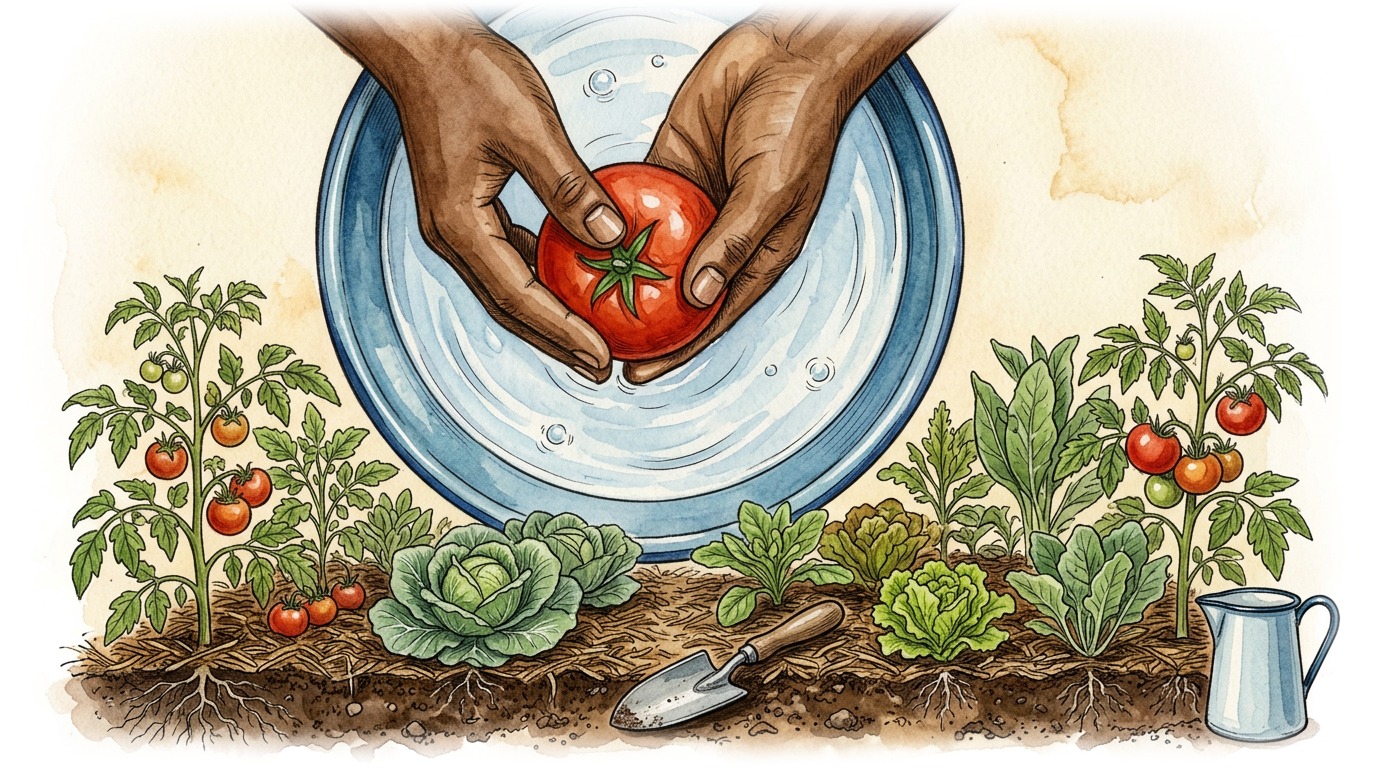
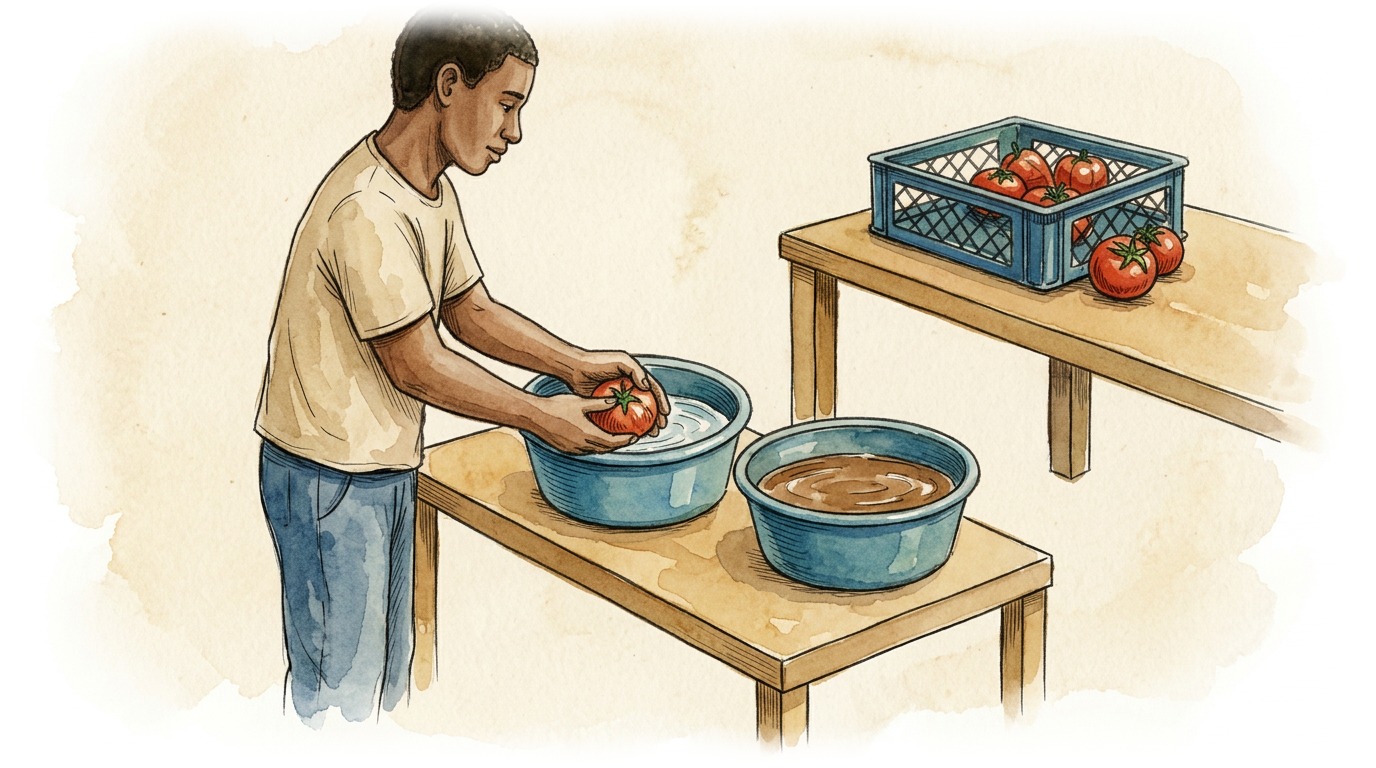
PARTIE 12 SUR 21 Wash your vegetables with clean, drinkable water.
Wash your vegetables with clean, drinkable water.

Wash your vegetables with clean, drinkable water.

Do not use water from canals or backwaters: it may be dirty and transmit diseases.

Rub your vegetables gently to clean them thoroughly without damaging them.

13
PARTIE 13 SUR 21 Food
Food

Food

BLEA

CH

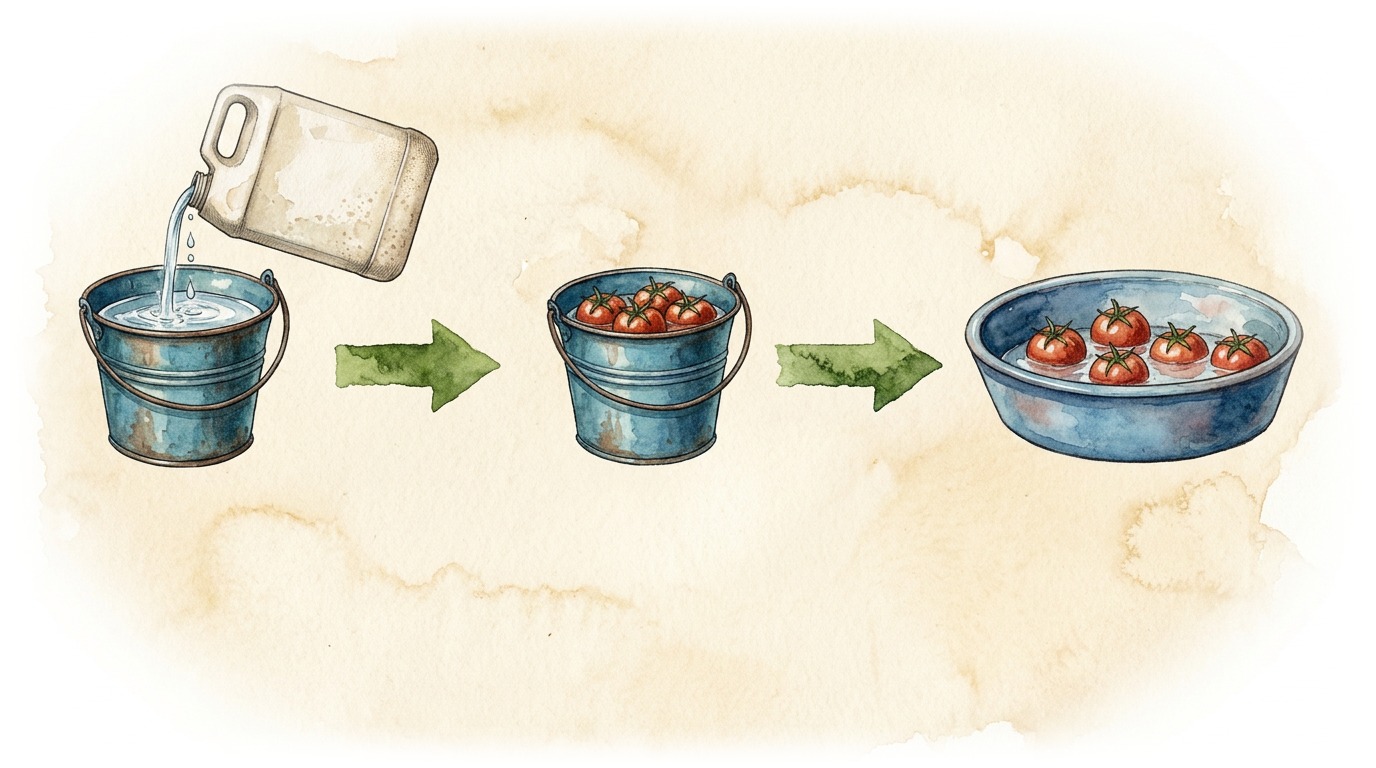
If you sell or store products, remember to disinfect them.

For example, use a few drops of food-grade bleach in a bucket of clean water.

Then rinse with clean, drinkable water.

14
PARTIE 14 SUR 21 To prevent vegetables from coming into contact with dirty surfaces, set up a cleaning station.
To prevent vegetables from coming into contact with dirty surfaces, set up a cleaning station.

To prevent vegetables from coming into contact with dirty surfaces, set up a cleaning station.

Use basins or buckets to separate dirty water from clean water.

Prepare a clean table to place the washed vegetables on.

15
PARTIE 15 SUR 21 STEP 3: STORE EFFICIENTLY
STEP 3: STORE EFFICIENTLY

STEP 3: STORE EFFICIENTLY

STEP 3: STORE EFFICIENTLY

16
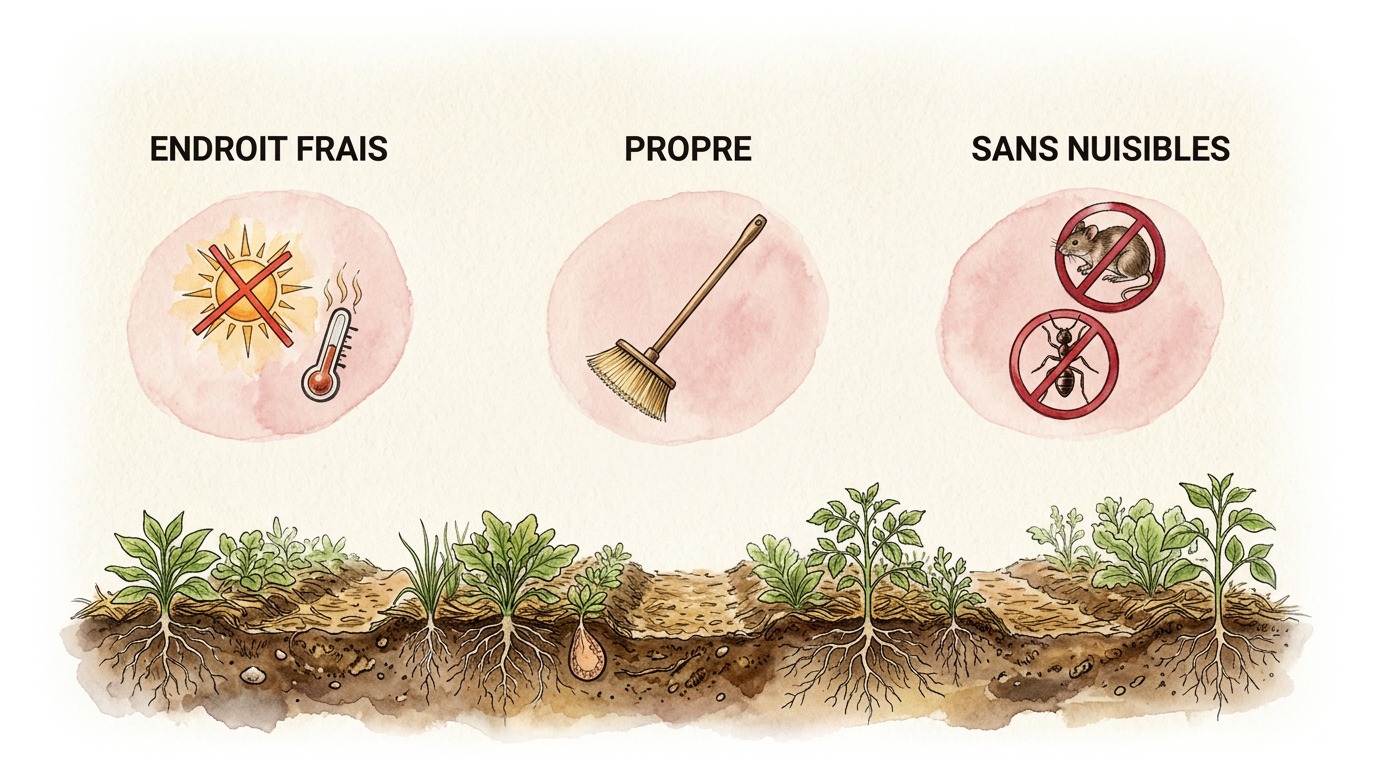
PARTIE 16 SUR 21 COOL LOCATION
COOL LOCATION

COOL LOCATION

CLEAN

Prepare a suitable storage area :

Choose a cool, shaded location.

Sweep and wash the area before use.

Protect the area from insects, animals, and rodents.

PEST-FREE

17
PARTIE 17 SUR 21 ATO
ATO

ATO

TOM 025

7/2

23/0

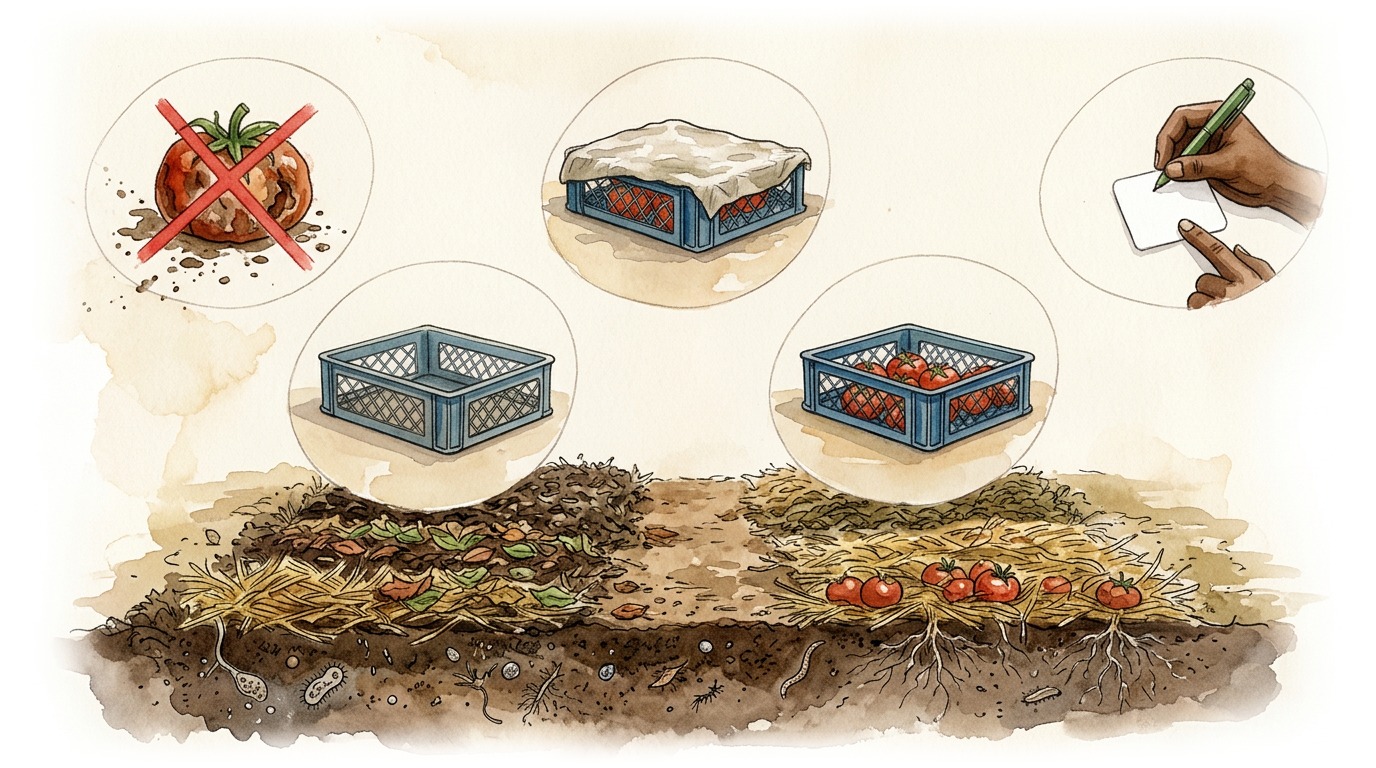
Store your produce properly:

Only store healthy vegetables: no damaged, dirty, or rotten produce.

Do not place them directly on the floor: use baskets or shelves.

Cover them with a damp cloth to keep them fresh.

Do not pile them too high to avoid heat and crushing.

Write on a label: the harvest date, the name of the product, the place or field of origin. This allows you to better

manage your stock and reassure your buyers.

18
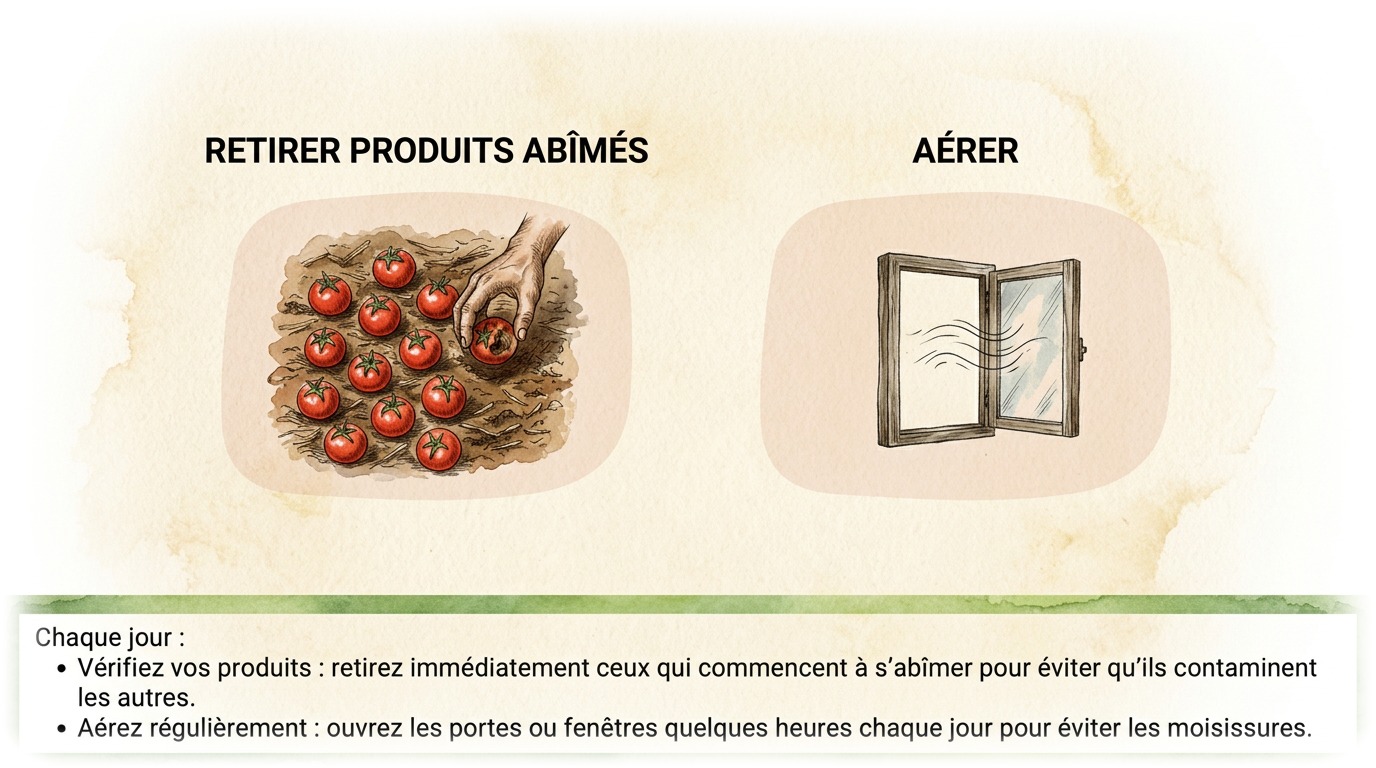
PARTIE 18 SUR 21 REMOVE DAMAGED PRODUCTS
REMOVE DAMAGED PRODUCTS

REMOVE DAMAGED PRODUCTS

VENTILATE

Every day:

Check your food: immediately remove any items that are starting to spoil to prevent them from contaminating

others.

Ventilate regularly: open doors or windows for a few hours each day to prevent mold growth.

19
PARTIE 19 SUR 21 STEP 4: TRANSPORT WITHOUT DAMAGE
STEP 4: TRANSPORT WITHOUT DAMAGE

STEP 4: TRANSPORT WITHOUT DAMAGE

STEP 4: TRANSPORT WITHOUT DAMAGE

20
PARTIE 20 SUR 21 👎
👎

👎

👍

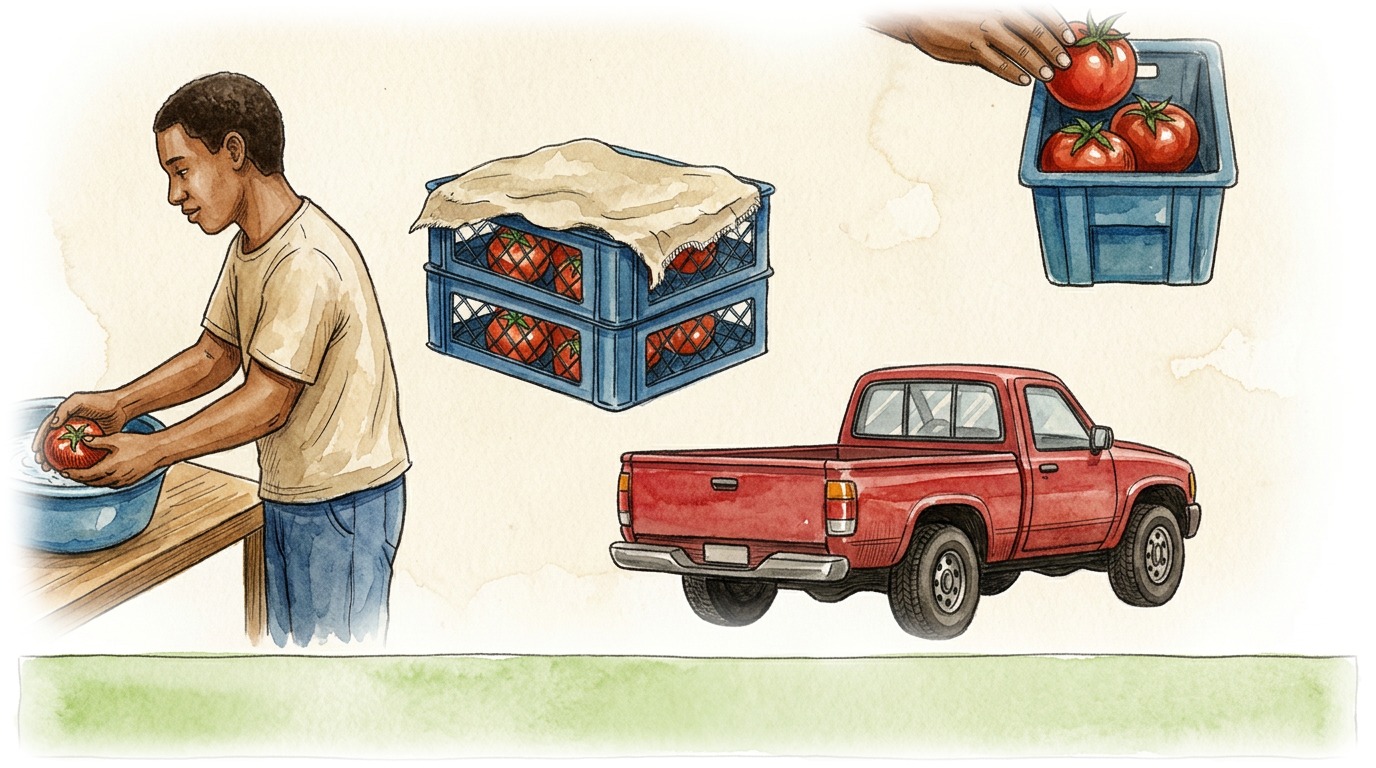
When your vegetables leave the field, they must be transported with care.

Improper transportation can ruin your entire harvest.

Avoid plastic bags; instead, use baskets, tubs, or open-sided crates to prevent heat buildup and suffocation.

Do not pack the vegetables too tightly so they can breathe and are not crushed. Place the most fragile items

on top.

Transport early in the morning or late in the day to avoid the heat.

Transport quickly: the shorter the transport time, the better.

21
PARTIE 21 SUR 21 Harvest at the right time, sort, wash, and pack neatly, then store in the shade and transport quickly: these are
Harvest at the right time, sort, wash, and pack neatly, then store in the shade and transport quickly: these are

Harvest at the right time, sort, wash, and pack neatly, then store in the shade and transport quickly: these are

simple steps, but they are essential for preserving the quality of your vegetables and making the most of all your

hard work.