Campus
M2.1 🌱 Fondements & Sol 📖 35 parties ☀️ Terroir tropical & sahélien 🌐 English

Living Soils

Comprenez la vie biologique du sol (vers, champignons, bactéries, humus) et comment le système des planches permanentes nourrit naturellement vos cultures.

📋 Sommaire des chapitres (35 parties) Afficher / Masquer
1 We are going to show you how cultivation beds help keep the soil alive to ensure the good health 2 FOR SOIL TO BE FERTILE, IT MUST BE ALIVE 3 For growth and good health, vegetable plants need light, water, and nutrients. They feed in the upper part of the 4 Fertile soil is rich in humus, which comes from decomposing organic matter (crop residues, leaves, dead insects, 5 Humus 6 The soil consists of: 7 mycelium 8 mites 9 termites 10 It’s a very rich and varied ecosystem where everyone plays their role, even the slug ! 11 It’s a very rich and varied ecosystem where everyone plays their role, even the slug ! 12 All these elements interact together to regenerate the soil, keep it healthy, moist, aerated, and stable to support 13 HOW DOES THE CULTIVATION BED SYSTEM MAINTAIN 14 Initially, the plot is covered with a thin layer of fertile soil. By digging the walkways, this soil is moved onto the beds. 15 Initially, the plot is covered with a thin layer of fertile soil. By digging the walkways, this soil is moved onto the beds. 16 The role of mulching 17 The role of mulching 18 The role of mulching 19 The role of mulching 20 The role of micro-organisms and 21 The role of micro-organisms and 22 The role of micro-organisms and 23 The role of micro-organisms and 24 The role of micro-organisms and 25 The role of micro-organisms and 26 HOW DO PLANTS ALSO CONTRIBUTE TO THE 27 Once the plants have grown they protect the soil from the sun and wind. 28 PHOTOSYNTHESIS 29 In exchange for the sugar it provides, some fungi act as a mouth for the plant: they absorb soil elements on its 30 Plants benefit from the water and nutrients stored in the walkways. To access them, they expand their root 31 Once the harvest is over, the roots remaining in the soil decompose and contribute to enriching the soil with 32 Harvest residues provide organic matter. Depending on the amount, it can be added either to our compost bin to 33 Before starting a new crop, this compost can be laid on the surface without being compacted, to not damage the 34 X3 35 The cultivation bed technique has many advantages: by preserving the soil, it allows for a reduction in inputs of

1
PARTIE 1 SUR 35 We are going to show you how cultivation beds help keep the soil alive to ensure the good health
We are going to show you how cultivation beds help keep the soil alive to ensure the good health

We are going to show you how cultivation beds help keep the soil alive to ensure the good health

and growth of plants and vegetables.

2
PARTIE 2 SUR 35 FOR SOIL TO BE FERTILE, IT MUST BE ALIVE
FOR SOIL TO BE FERTILE, IT MUST BE ALIVE

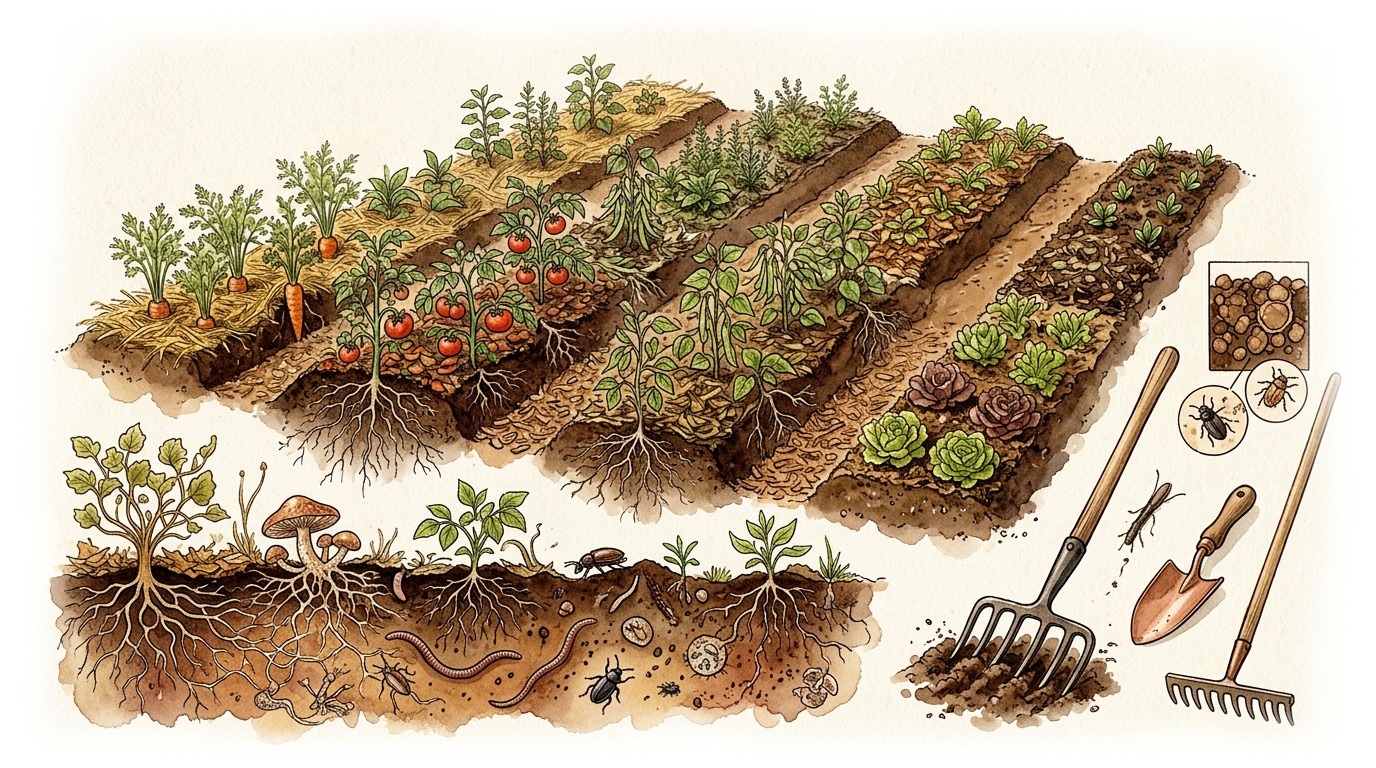
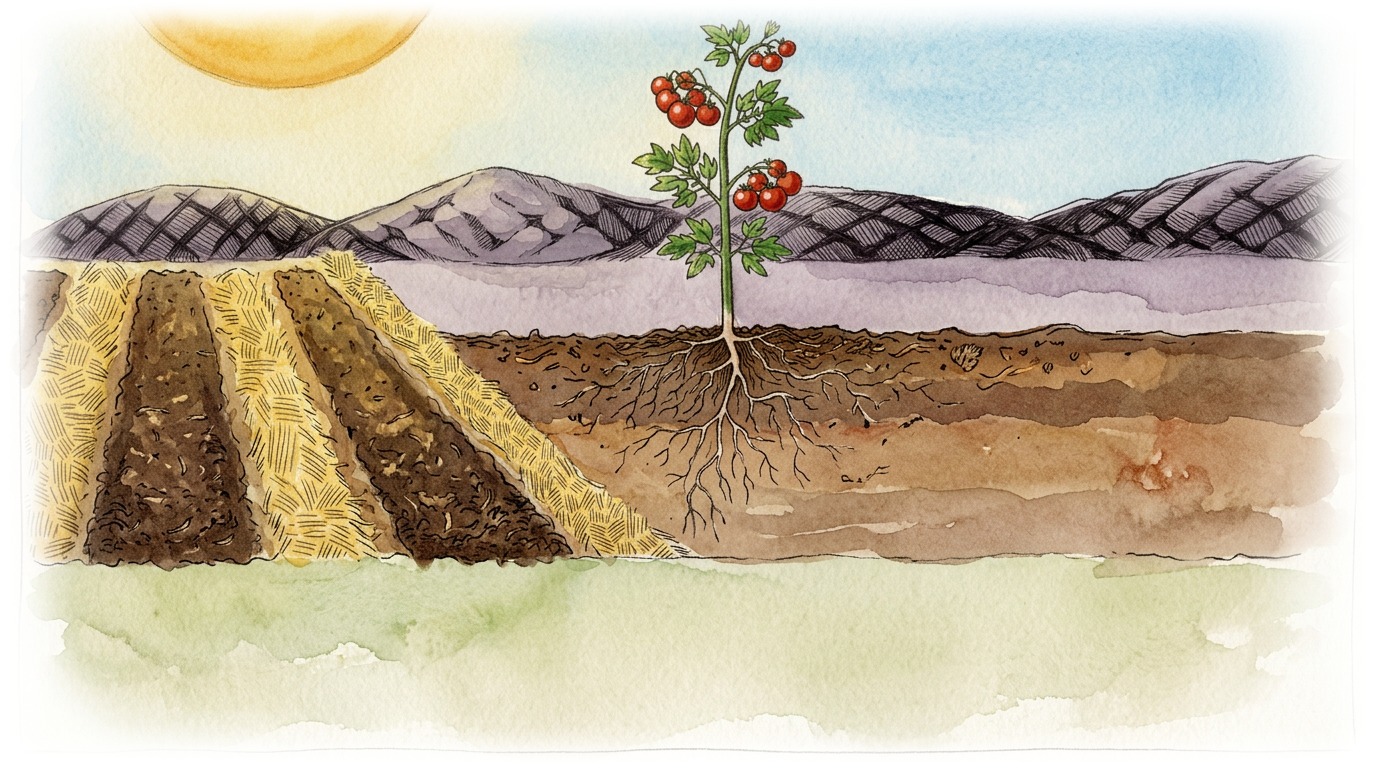
FOR SOIL TO BE FERTILE, IT MUST BE ALIVE

FOR SOIL TO BE FERTILE, IT MUST BE ALIVE

3
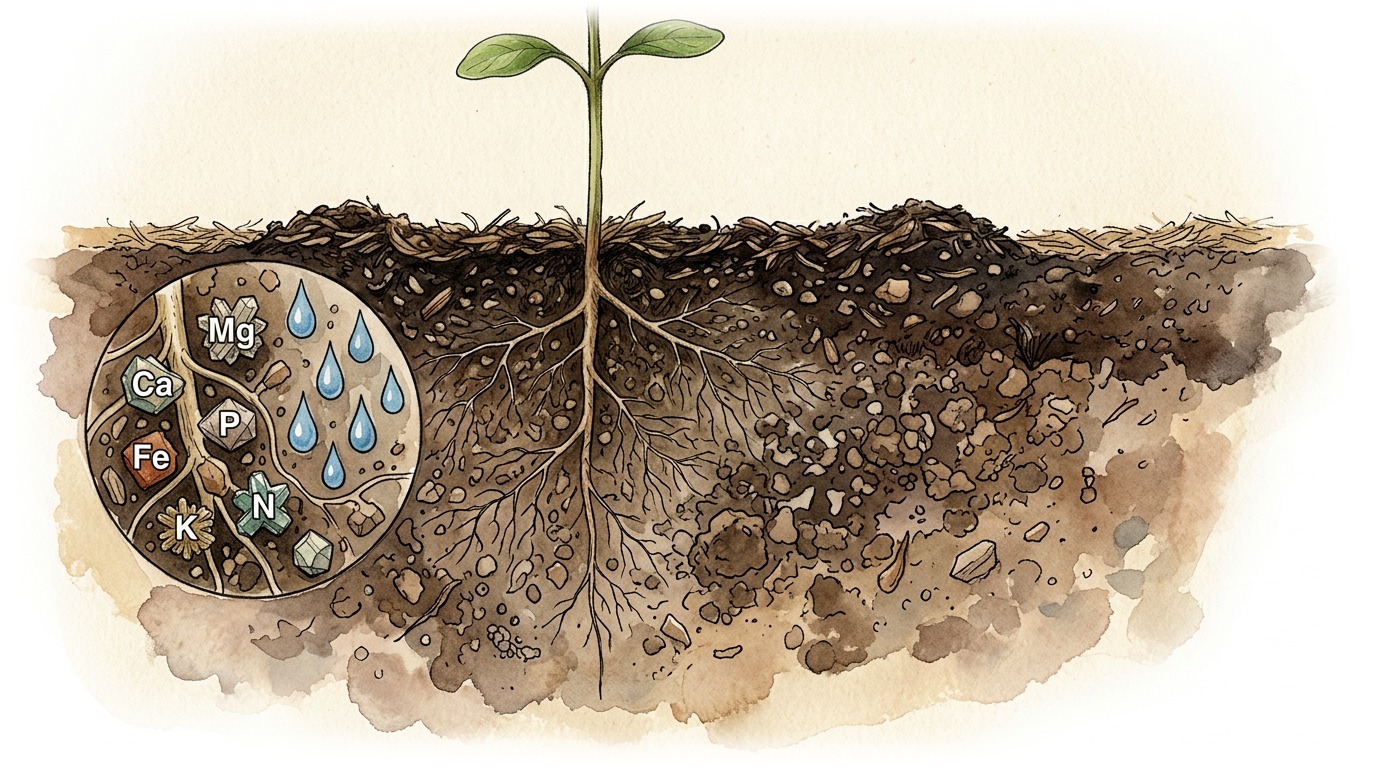
PARTIE 3 SUR 35 For growth and good health, vegetable plants need light, water, and nutrients. They feed in the upper part of the
For growth and good health, vegetable plants need light, water, and nutrients. They feed in the upper part of the

For growth and good health, vegetable plants need light, water, and nutrients. They feed in the upper part of the

soil (between 10 and 20 cm deep).

4
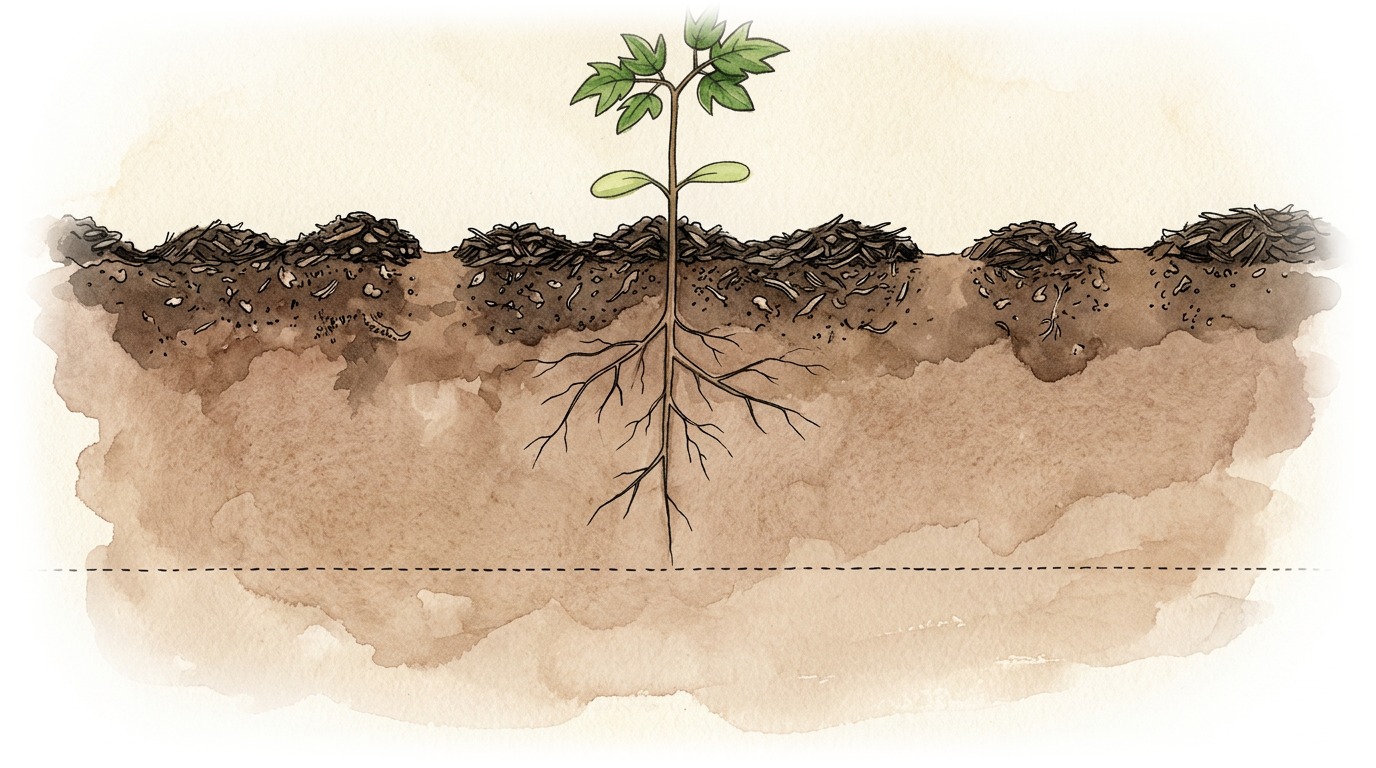
PARTIE 4 SUR 35 Fertile soil is rich in humus, which comes from decomposing organic matter (crop residues, leaves, dead insects,
Fertile soil is rich in humus, which comes from decomposing organic matter (crop residues, leaves, dead insects,

Fertile soil is rich in humus, which comes from decomposing organic matter (crop residues, leaves, dead insects,

excrement…).

5
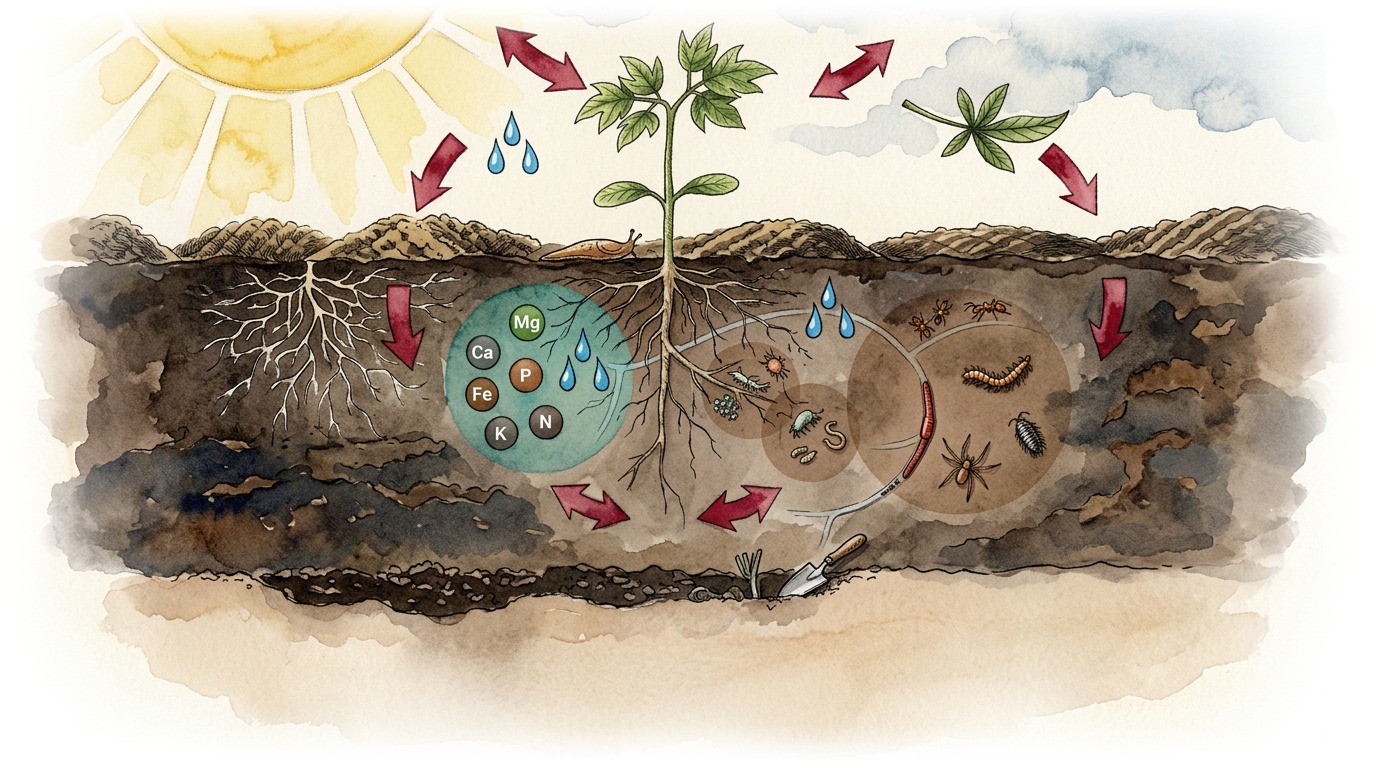
PARTIE 5 SUR 35 Humus
Humus

Humus

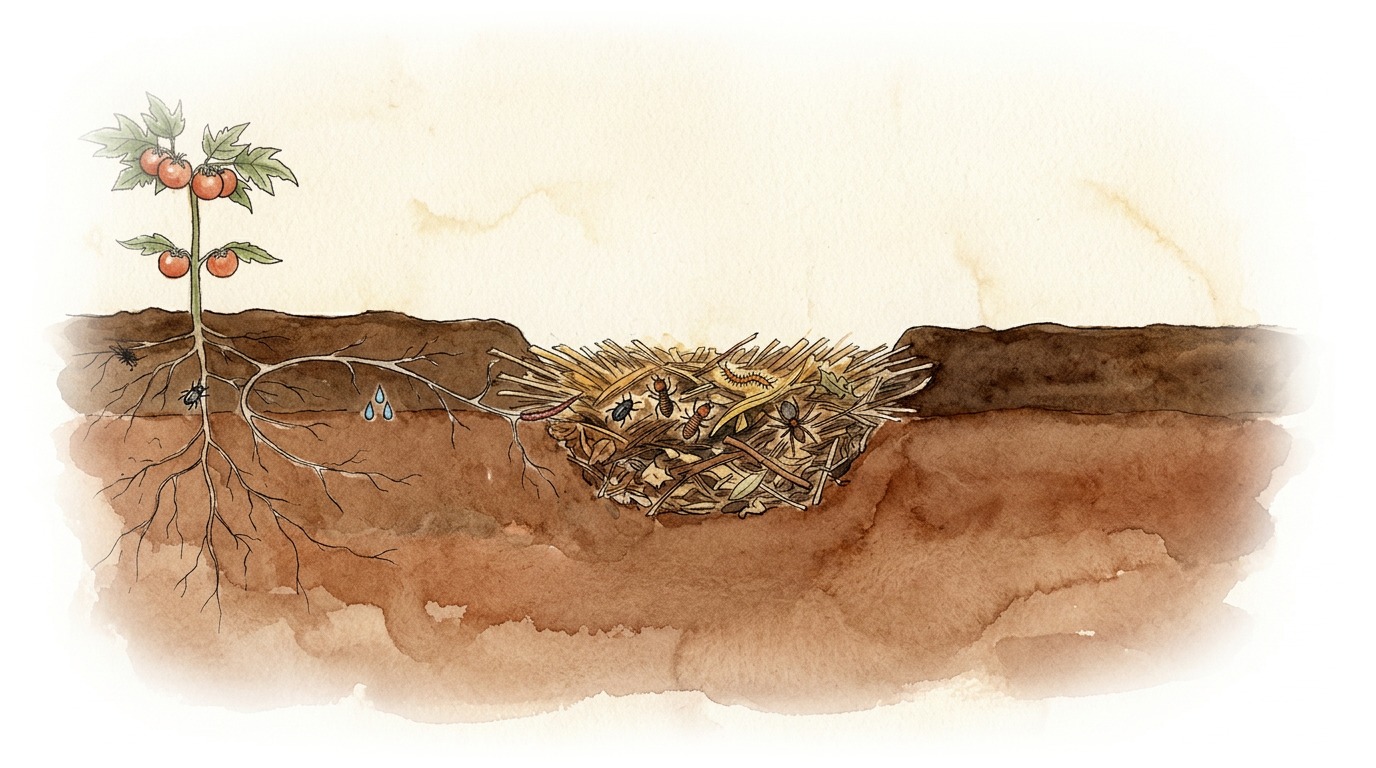
Fertile soil is rich in humus, which comes from decomposing organic matter (crop residues, leaves, dead insects,

excrement…).

6
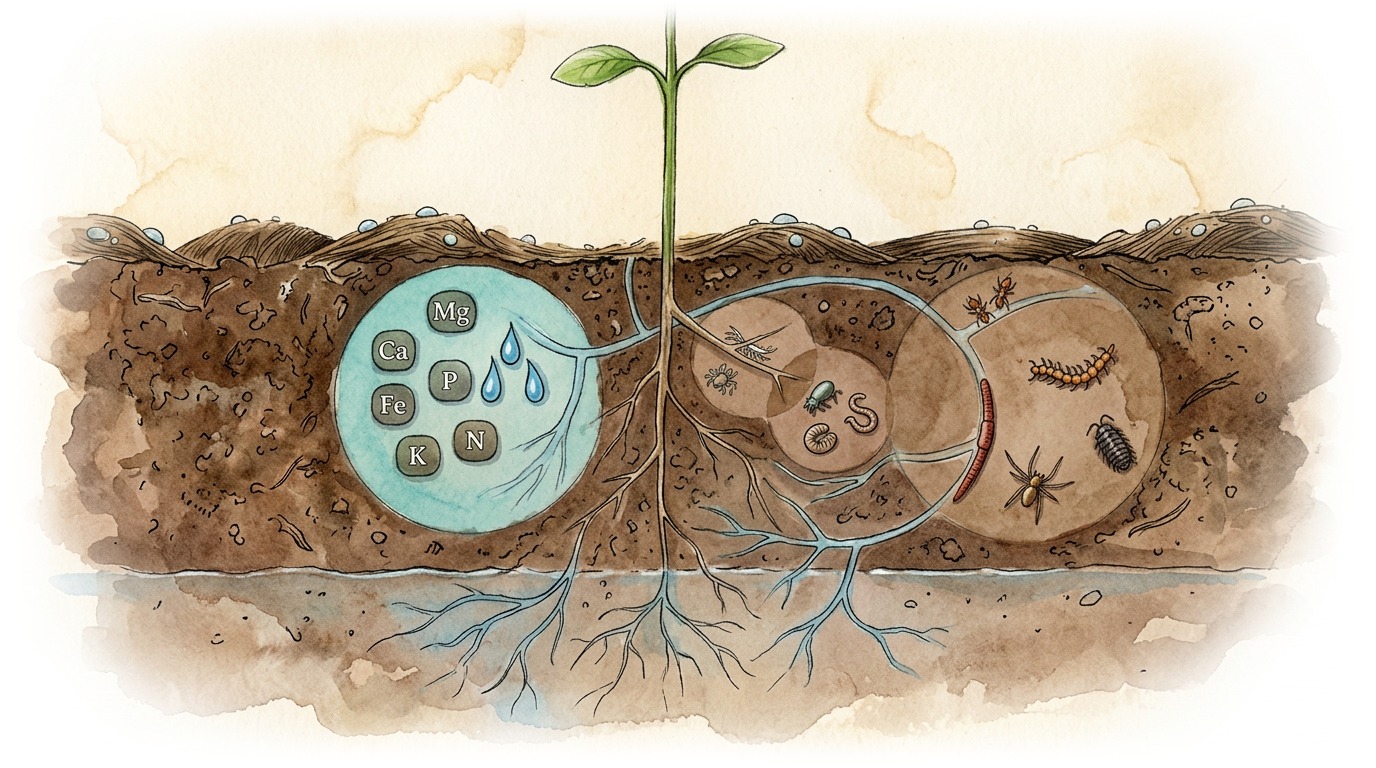
PARTIE 6 SUR 35 The soil consists of:
The soil consists of:

The soil consists of:

solid elements such as organic matter and stones,

water containing minerals,

and air.

7
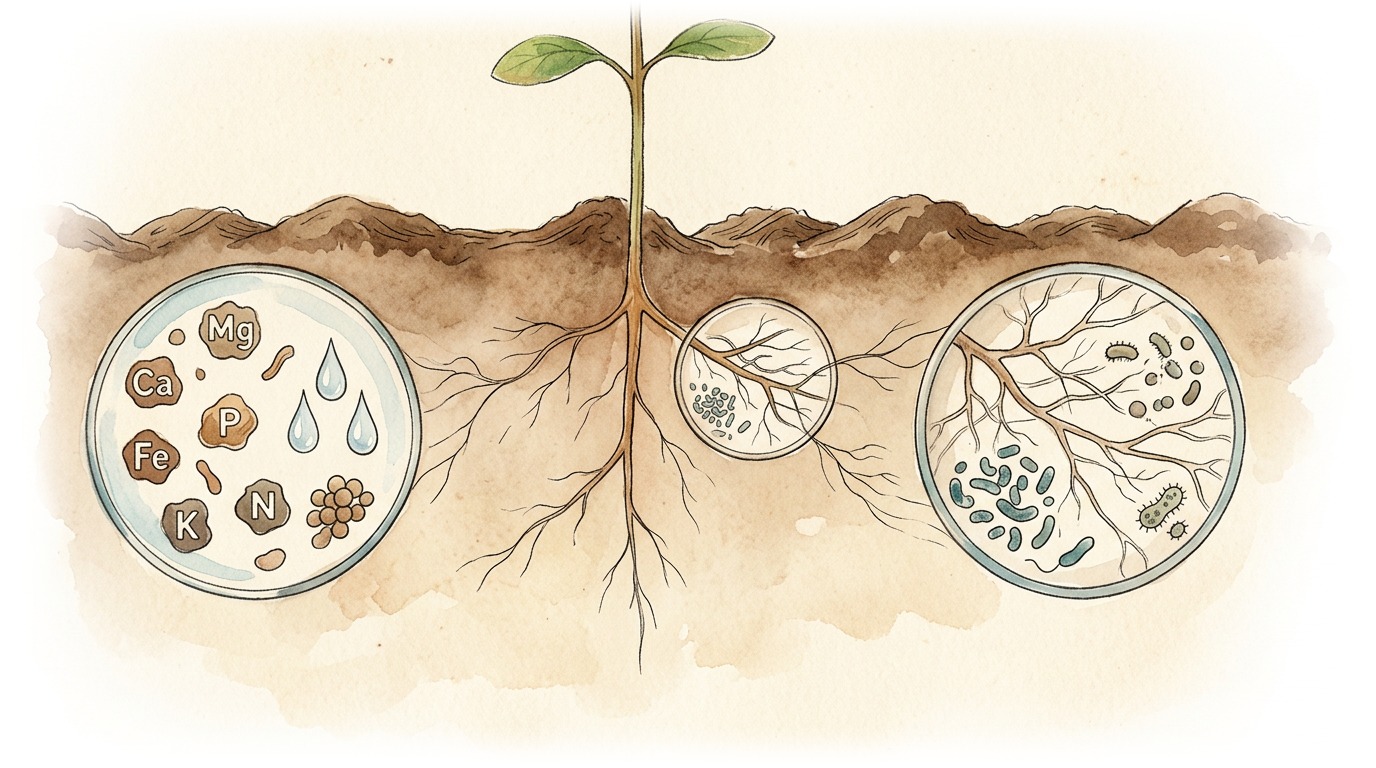
PARTIE 7 SUR 35 mycelium
mycelium

mycelium

bacteria

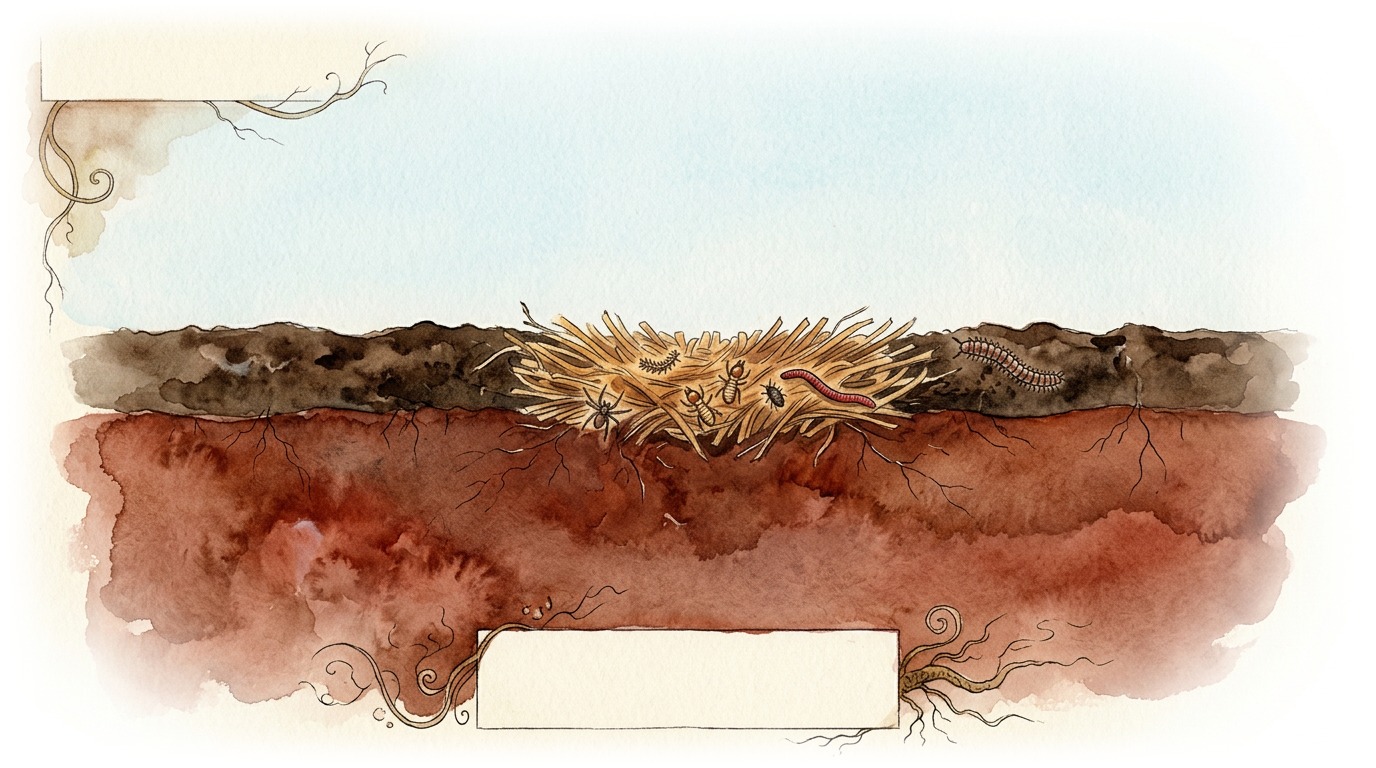
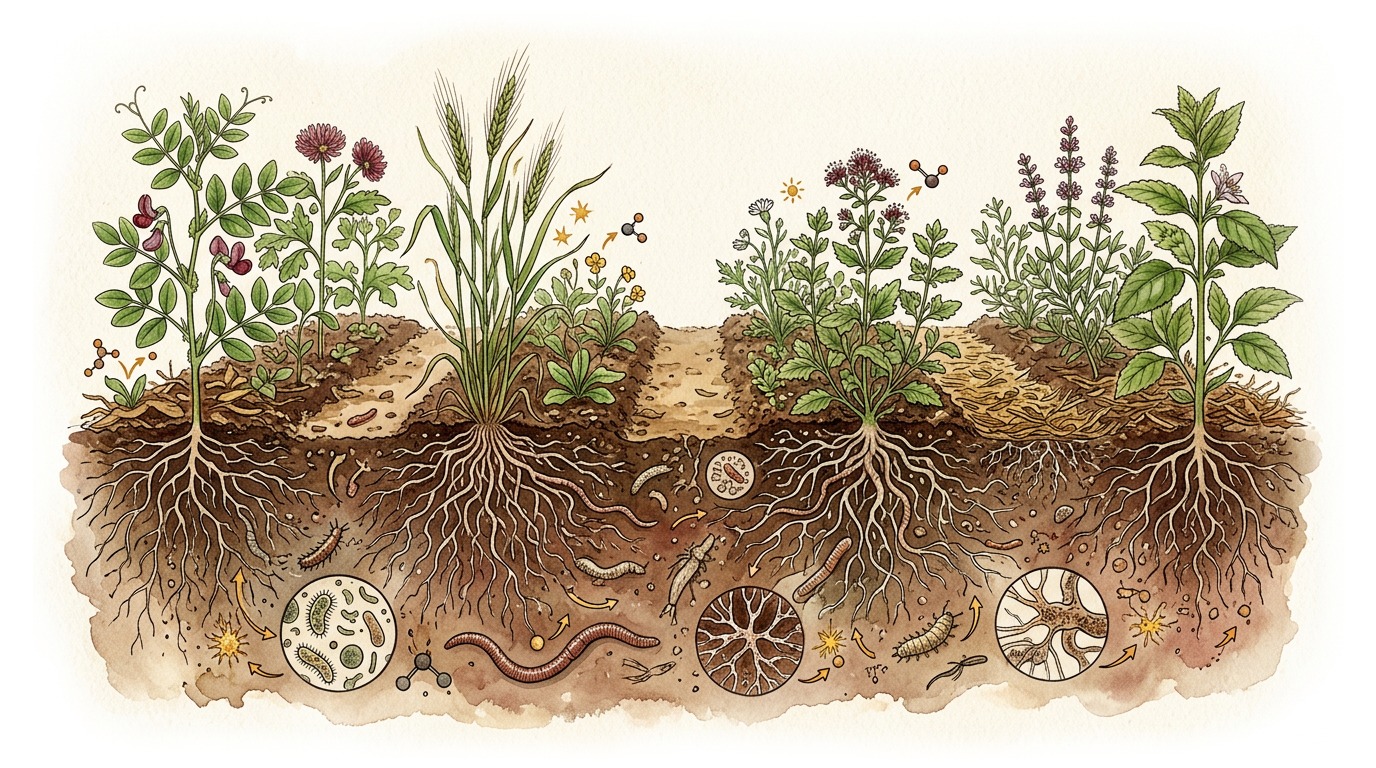
It also hosts living organisms :

invisible microorganisms like bacteria and fungi with white filaments, called mycelium.

8
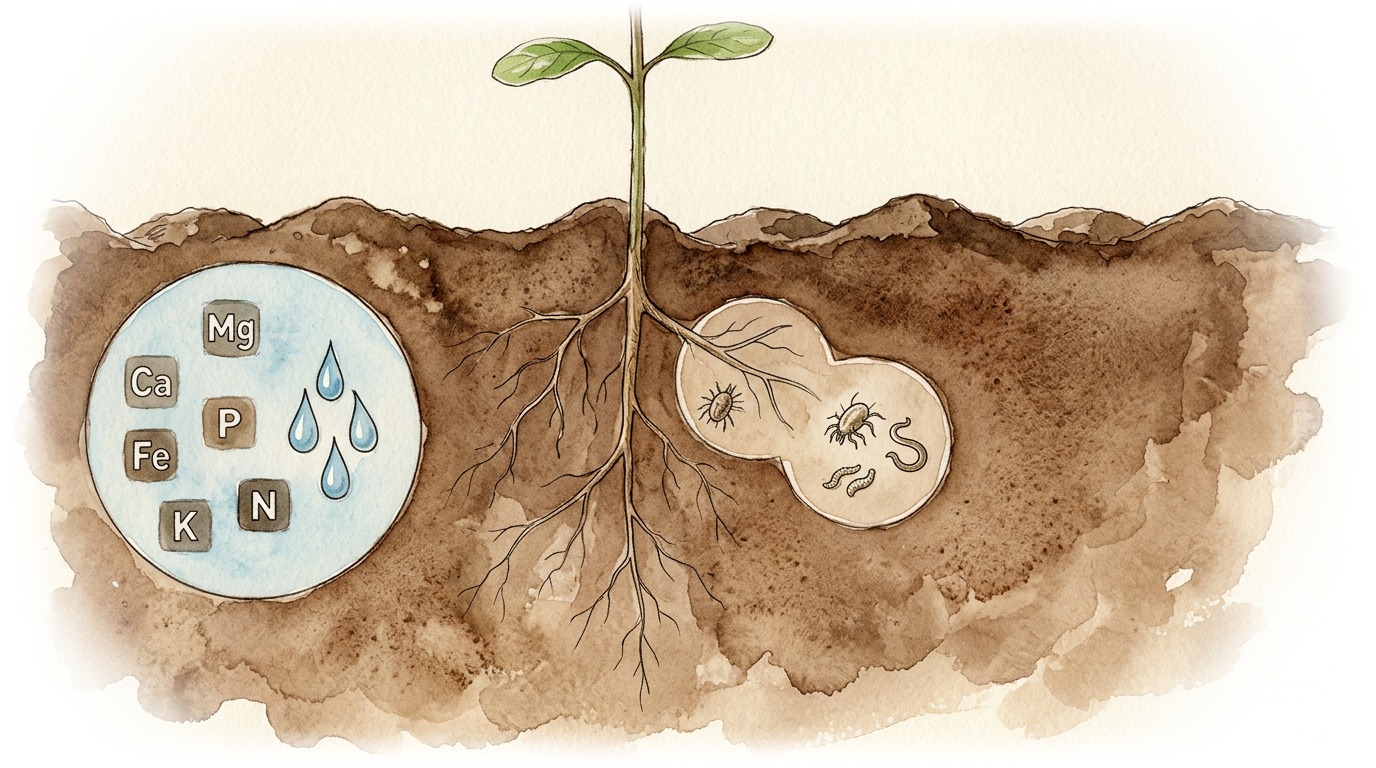
PARTIE 8 SUR 35 mites
mites

mites

nematodes

larvae

It also hosts living organisms :

organisms a few millimeters in size like mites, small worms (called nematodes), or insect larvae.

9
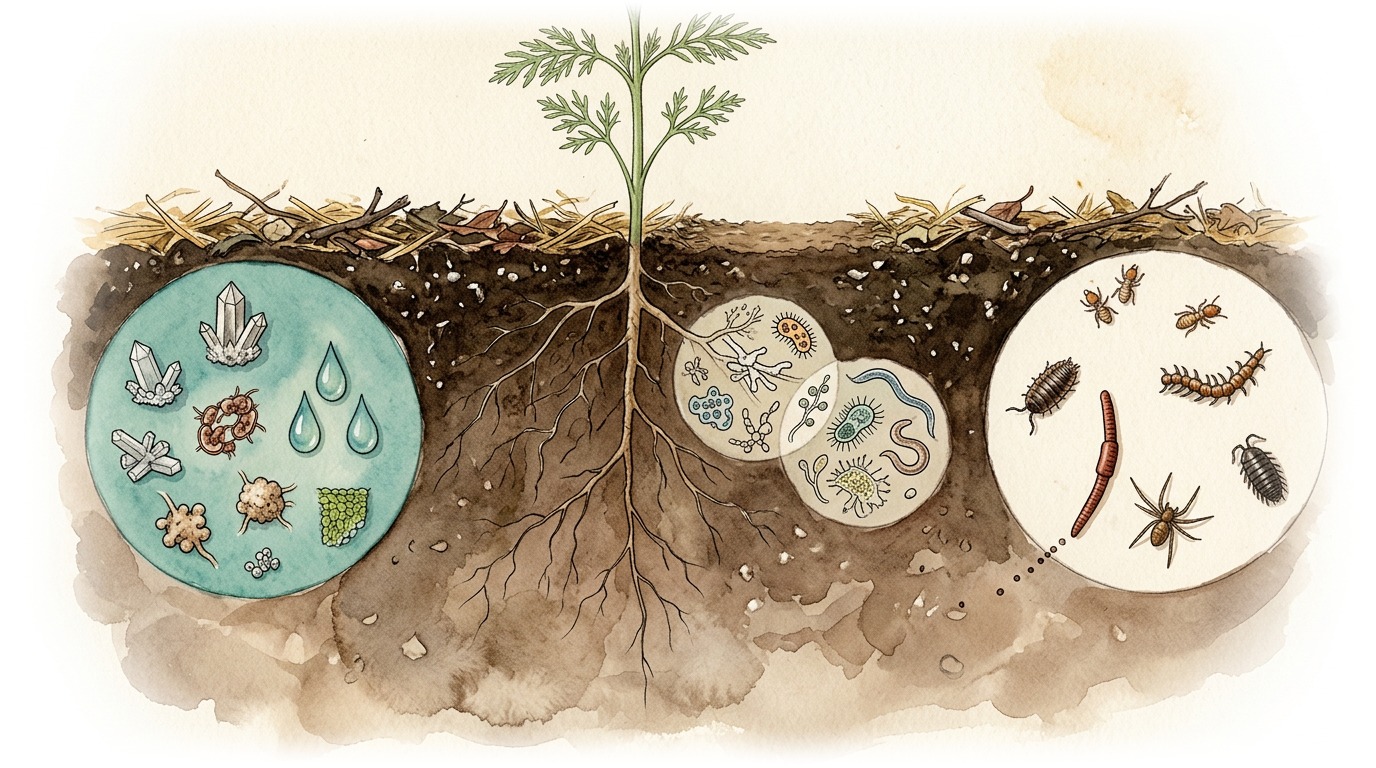
PARTIE 9 SUR 35 termites
termites

termites

earthworms

millipedes

woodlice

spiders

It also hosts living organisms :

and insects : such as woodlice, earthworms, termites, ants, millipedes, or spiders.

10
PARTIE 10 SUR 35 It’s a very rich and varied ecosystem where everyone plays their role, even the slug !
It’s a very rich and varied ecosystem where everyone plays their role, even the slug !

It’s a very rich and varied ecosystem where everyone plays their role, even the slug !

It’s a very rich and varied ecosystem where everyone plays their role, even the slug !

11
PARTIE 11 SUR 35 It’s a very rich and varied ecosystem where everyone plays their role, even the slug !
It’s a very rich and varied ecosystem where everyone plays their role, even the slug !

It’s a very rich and varied ecosystem where everyone plays their role, even the slug !

It’s a very rich and varied ecosystem where everyone plays their role, even the slug !

12
PARTIE 12 SUR 35 All these elements interact together to regenerate the soil, keep it healthy, moist, aerated, and stable to support
All these elements interact together to regenerate the soil, keep it healthy, moist, aerated, and stable to support

All these elements interact together to regenerate the soil, keep it healthy, moist, aerated, and stable to support

plant growth.

This biological activity is the engine of soil fertility.

13
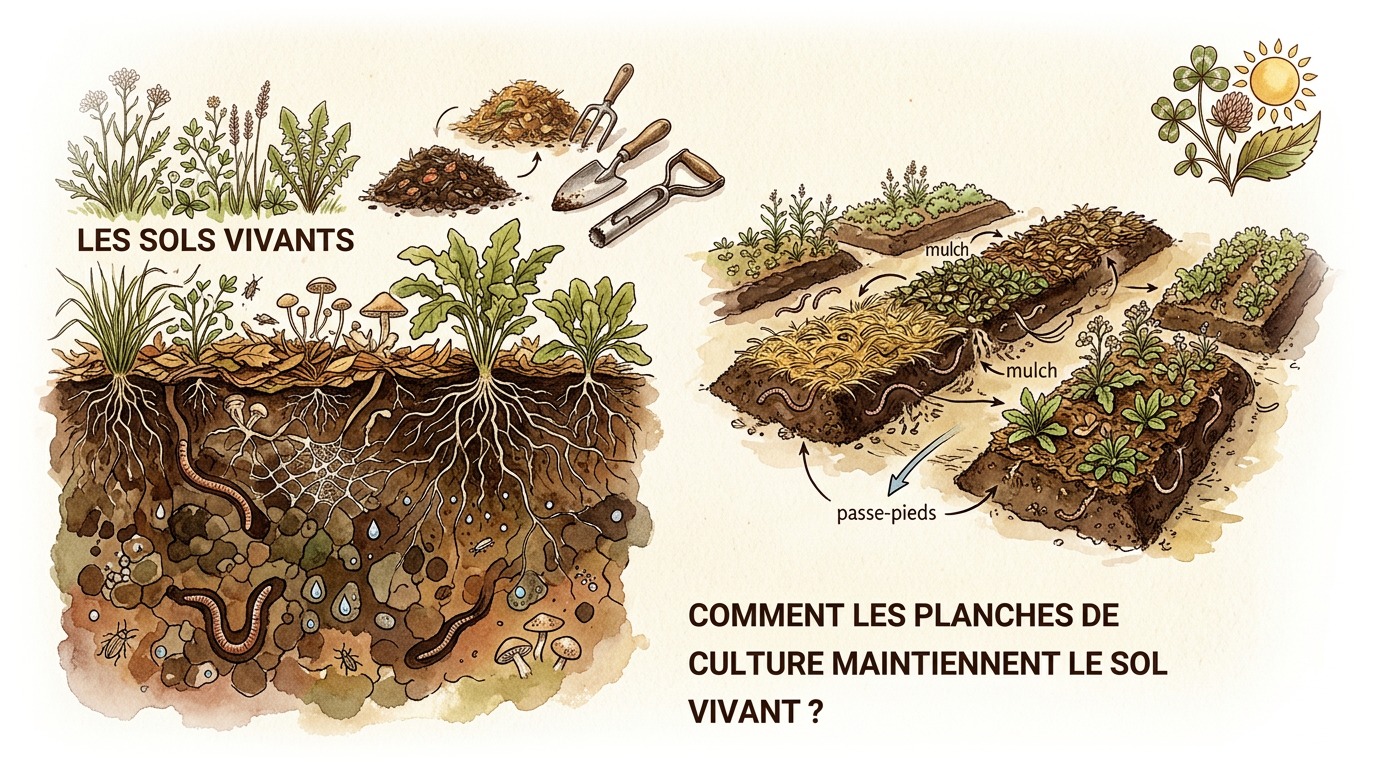
PARTIE 13 SUR 35 HOW DOES THE CULTIVATION BED SYSTEM MAINTAIN
HOW DOES THE CULTIVATION BED SYSTEM MAINTAIN

HOW DOES THE CULTIVATION BED SYSTEM MAINTAIN

LIVING AND THEREFORE FERTILE SOIL?

14
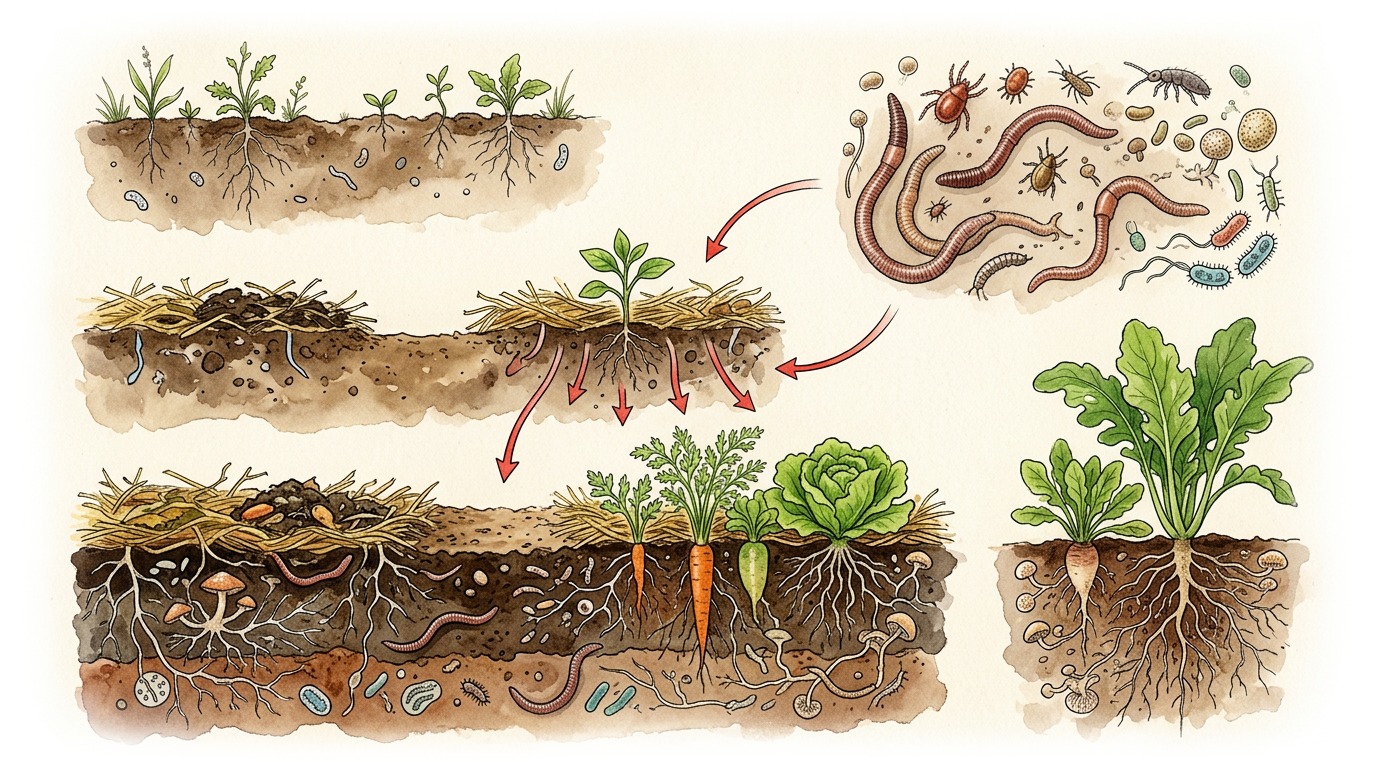
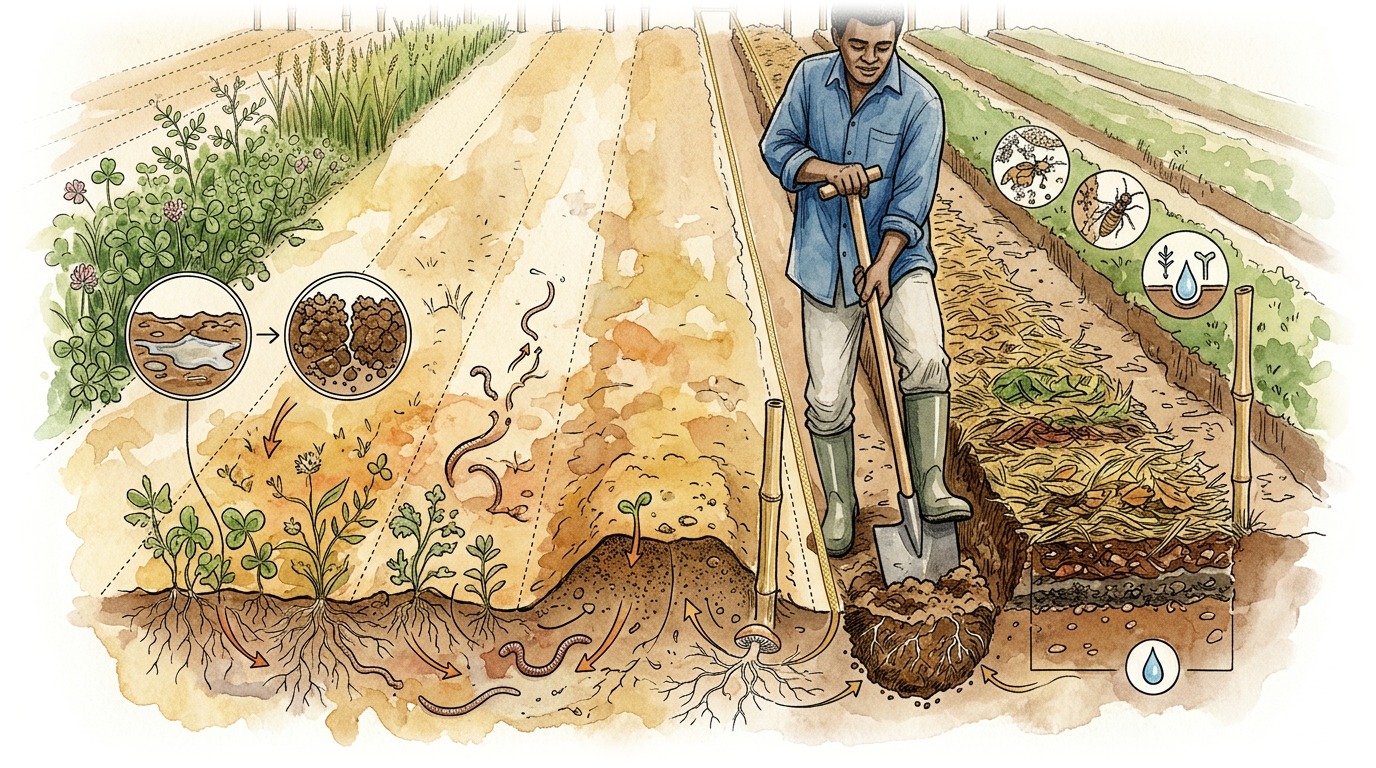
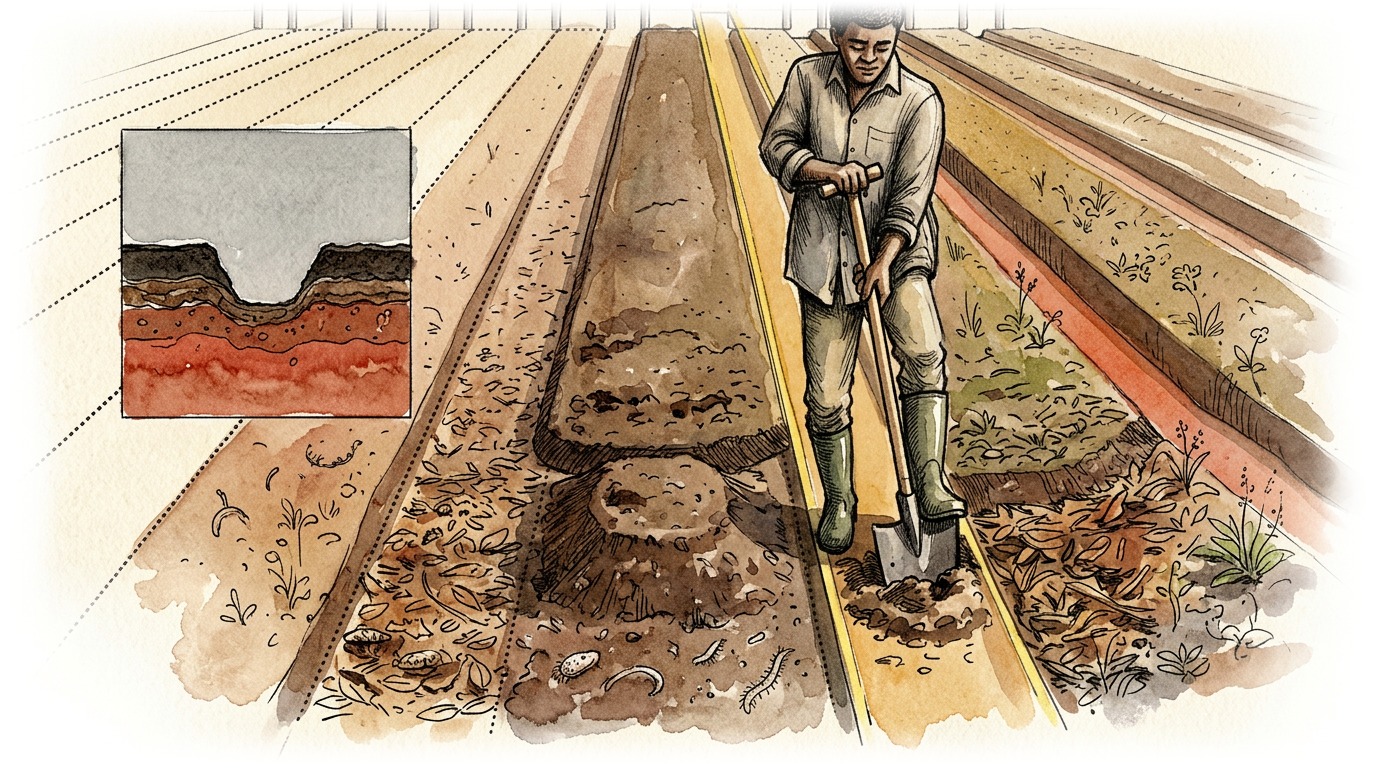
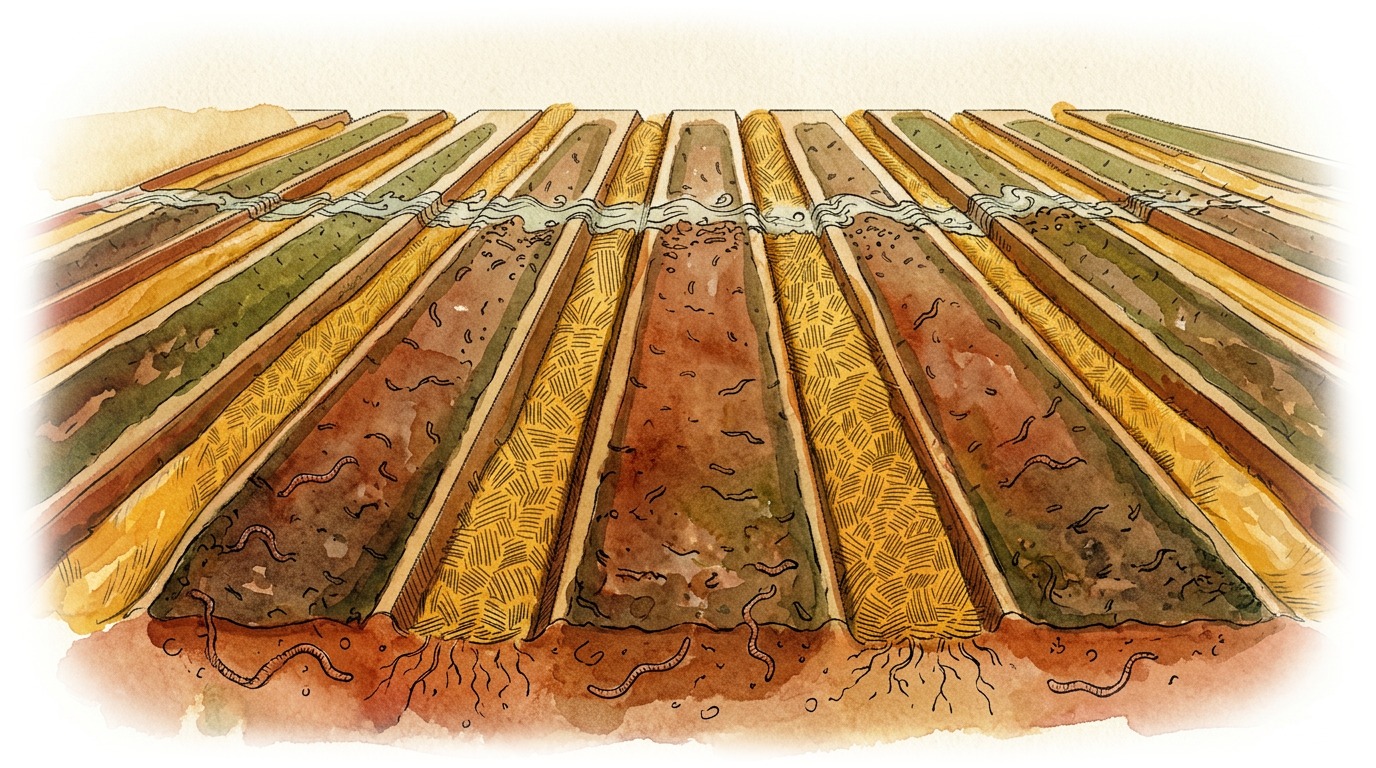
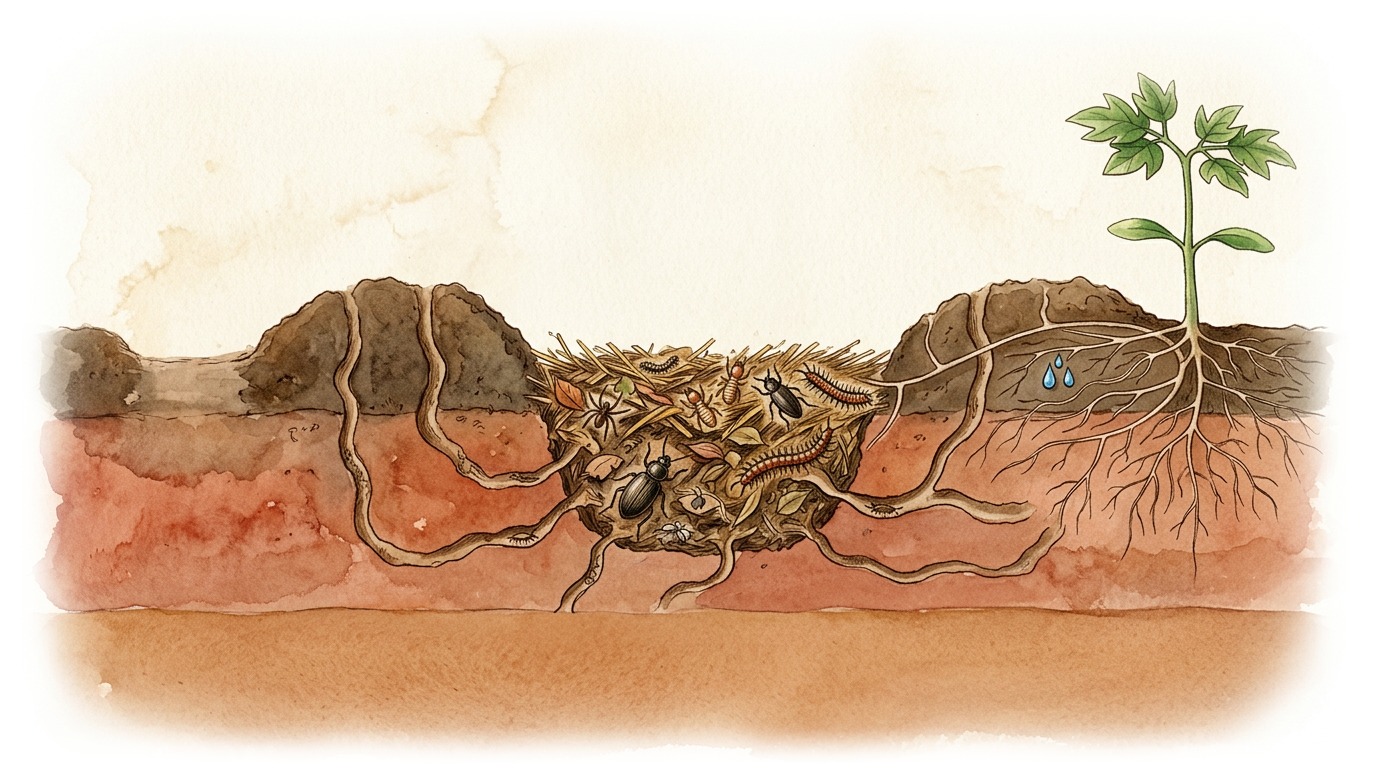
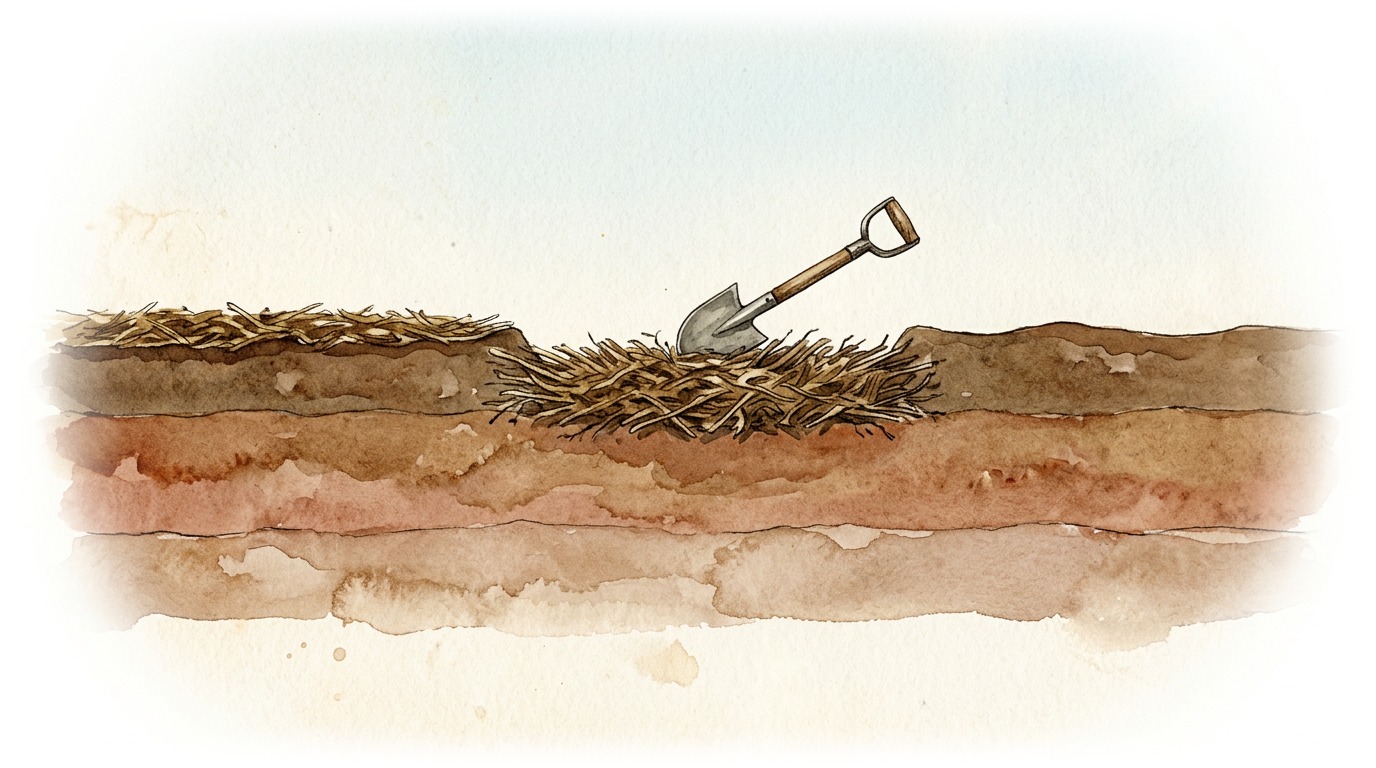
PARTIE 14 SUR 35 Initially, the plot is covered with a thin layer of fertile soil. By digging the walkways, this soil is moved onto the beds.
Initially, the plot is covered with a thin layer of fertile soil. By digging the walkways, this soil is moved onto the beds.

Initially, the plot is covered with a thin layer of fertile soil. By digging the walkways, this soil is moved onto the beds.

This concentrates all the fertile soil where the plants will grow.

15
PARTIE 15 SUR 35 Initially, the plot is covered with a thin layer of fertile soil. By digging the walkways, this soil is moved onto the beds.
Initially, the plot is covered with a thin layer of fertile soil. By digging the walkways, this soil is moved onto the beds.

Initially, the plot is covered with a thin layer of fertile soil. By digging the walkways, this soil is moved onto the beds.

This concentrates all the fertile soil where the plants will grow.

16
PARTIE 16 SUR 35 The role of mulching
The role of mulching

The role of mulching

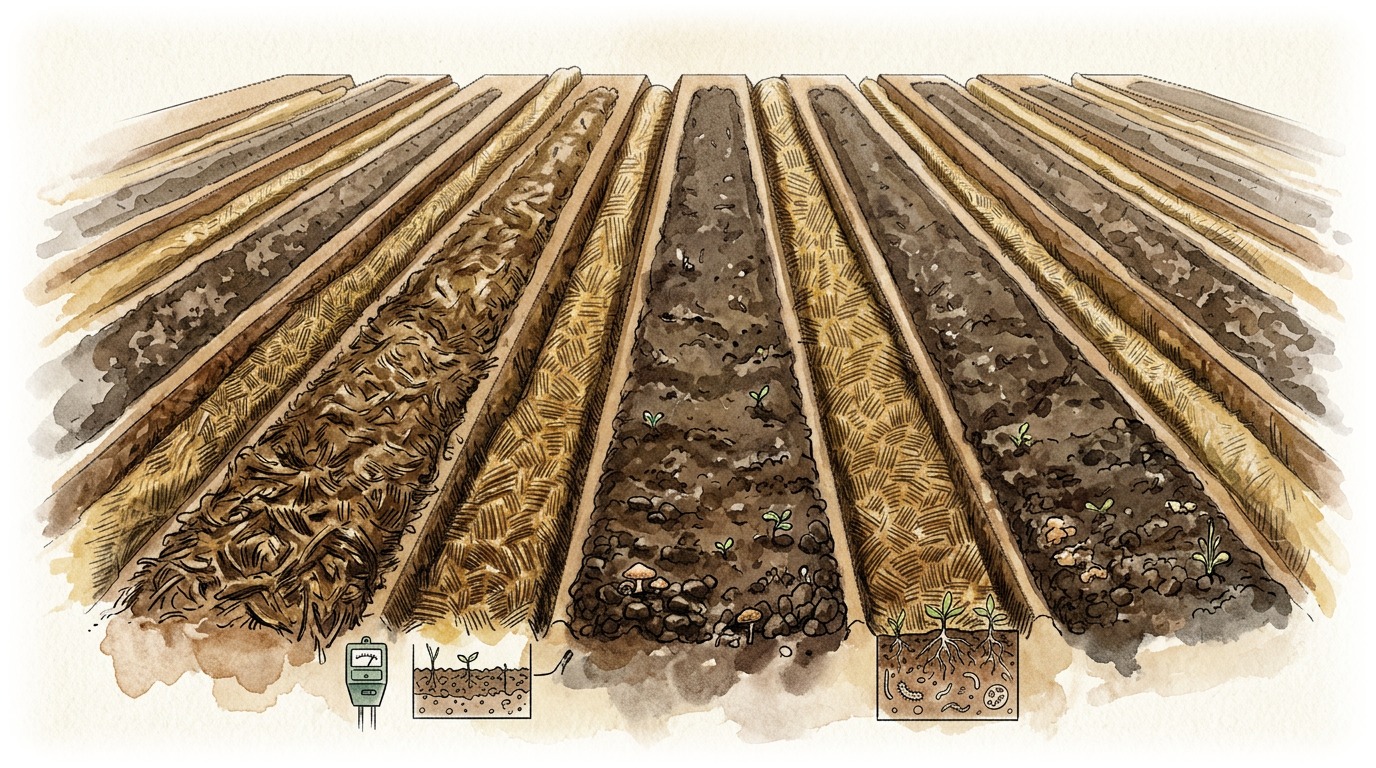
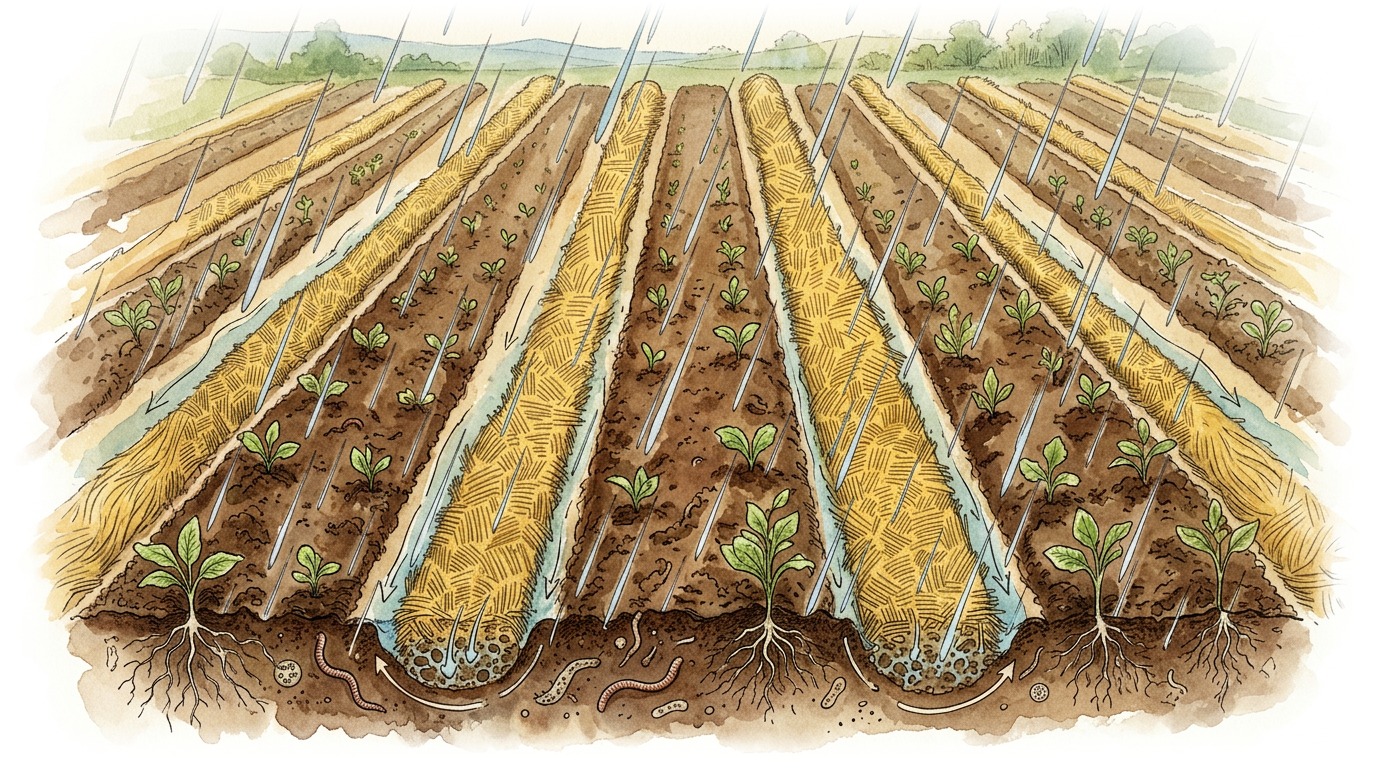
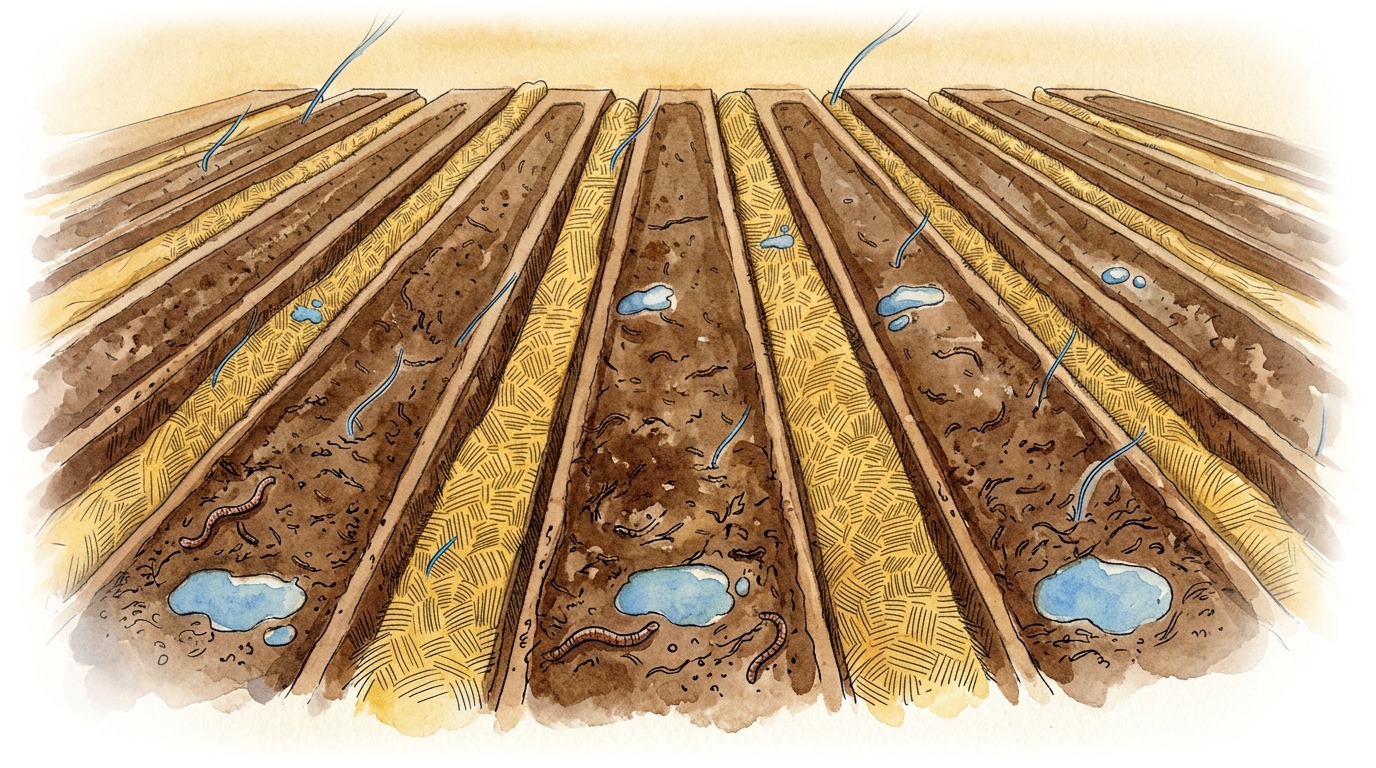
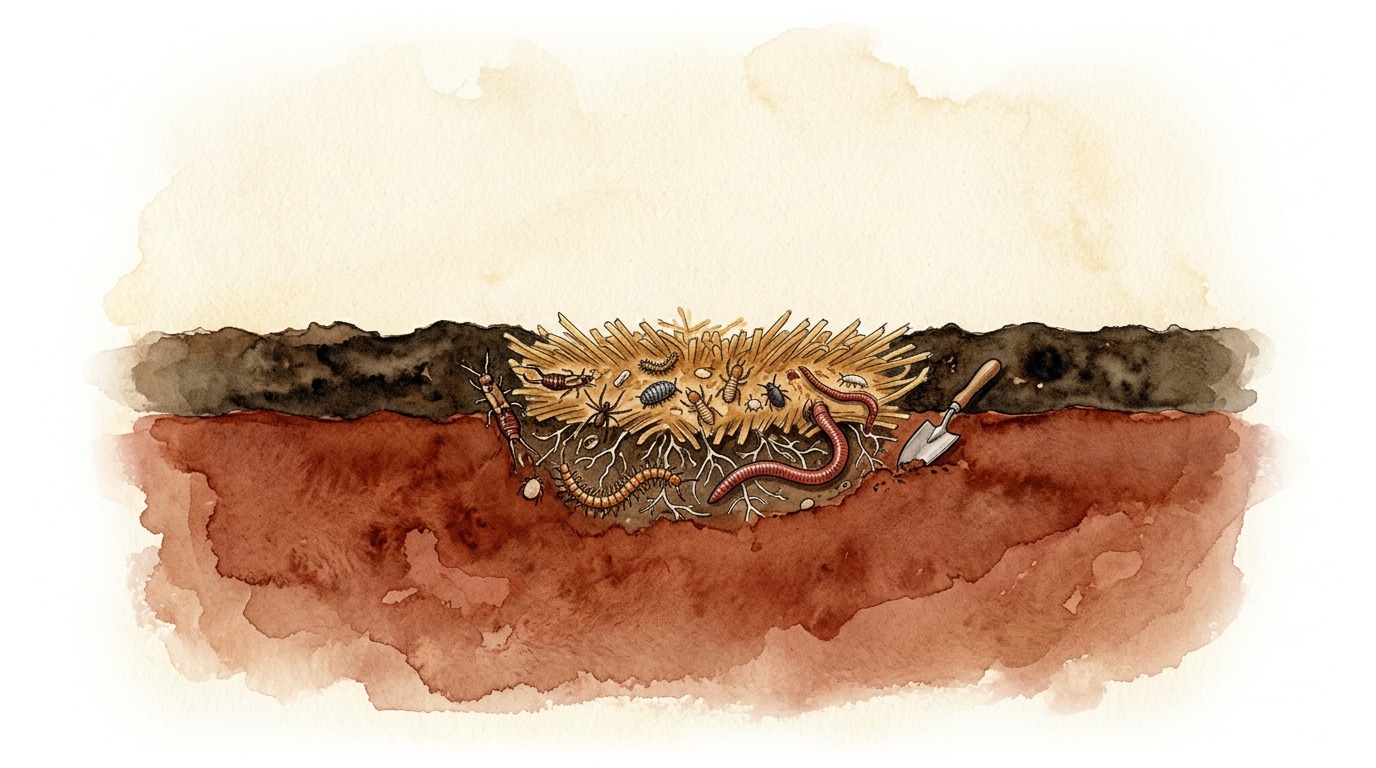
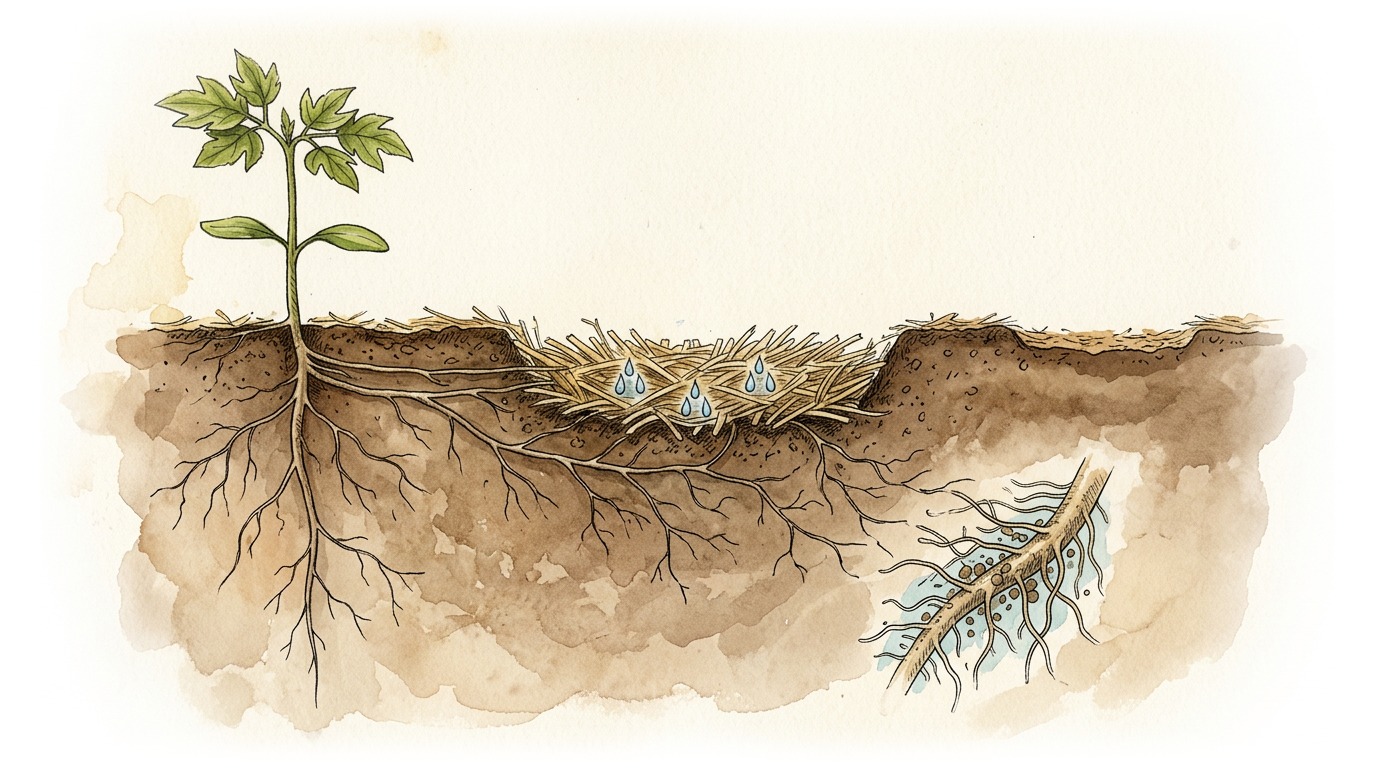
Mulching in the walkways is essential :

It retains water like a sponge, keeping the soil moist.

It slows down the flow of water during heavy rain, which limits erosion.

17
PARTIE 17 SUR 35 The role of mulching
The role of mulching

The role of mulching

Mulching in the walkways is essential :

It retains water like a sponge, keeping the soil moist.

It slows down the flow of water during heavy rain, which limits erosion.

18
PARTIE 18 SUR 35 The role of mulching
The role of mulching

The role of mulching

Mulching in the walkways is essential :

It retains water like a sponge, keeping the soil moist.

It slows down the flow of water during heavy rain, which limits erosion.

19
PARTIE 19 SUR 35 The role of mulching
The role of mulching

The role of mulching

Mulching in the walkways is essential :

It retains water like a sponge, keeping the soil moist.

It slows down the flow of water during heavy rain, which limits erosion.

20
PARTIE 20 SUR 35 The role of micro-organisms and
The role of micro-organisms and

The role of micro-organisms and

insects

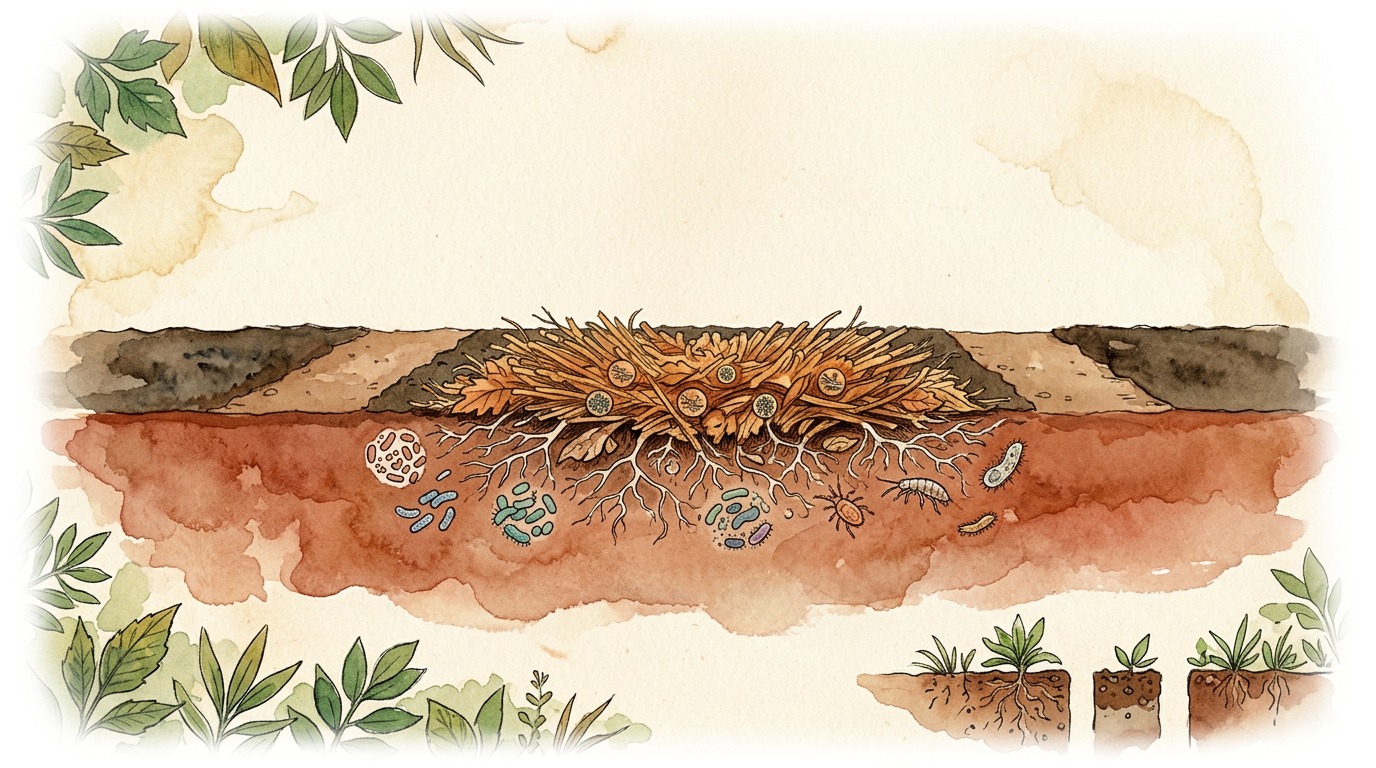
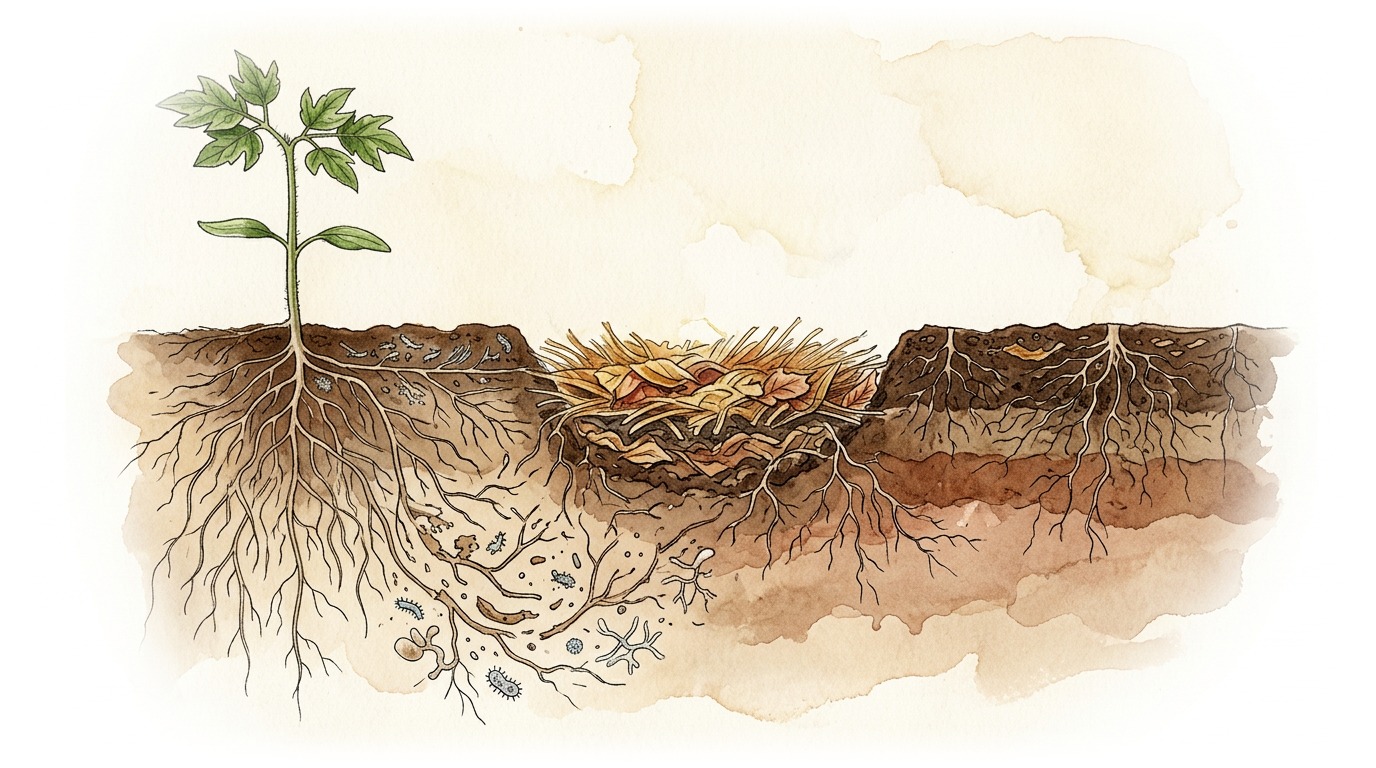
Microorganisms (bacteria and filamentous fungi) feed on the mulch.

21
PARTIE 21 SUR 35 The role of micro-organisms and
The role of micro-organisms and

The role of micro-organisms and

insects

They become food for woodlice, insects (termites, spiders, millipedes...) and earthworms.

22
PARTIE 22 SUR 35 The role of micro-organisms and
The role of micro-organisms and

The role of micro-organisms and

insects

All these organisms participate in the decomposition of the mulch into compost. We can thus speak of surface

compost in the walkways. The excrements and corpses of microorganisms and insects decompose and in turn

nourish the compost.

23
PARTIE 23 SUR 35 The role of micro-organisms and
The role of micro-organisms and

The role of micro-organisms and

insects

By digging tunnels, earthworms and termites also facilitate the circulation of air and water and help the roots of

plants find their way.

24
PARTIE 24 SUR 35 The role of micro-organisms and
The role of micro-organisms and

The role of micro-organisms and

insects

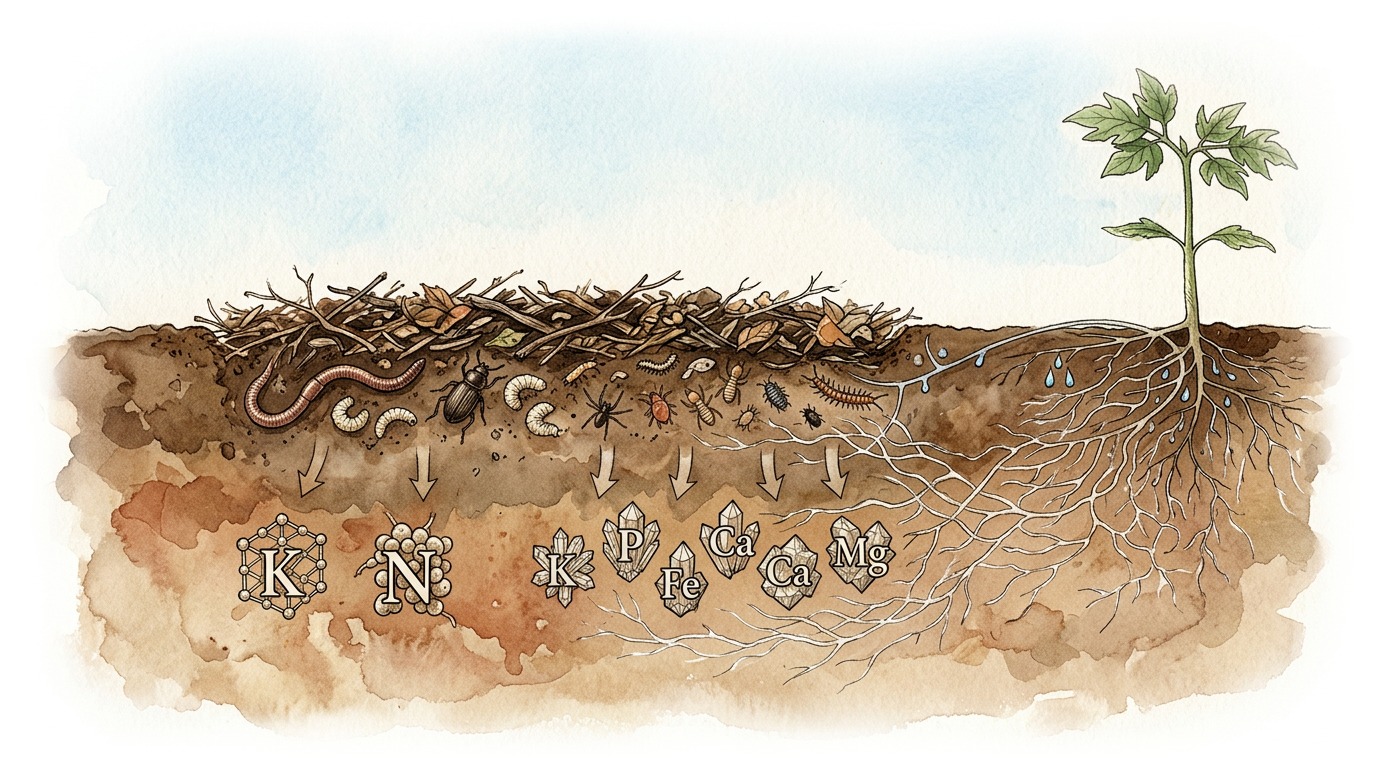
The decomposition of organic matter releases mineral elements that add to those already present in the soil and

essential for plant growth.

25
PARTIE 25 SUR 35 The role of micro-organisms and
The role of micro-organisms and

The role of micro-organisms and

insects

Nitrogen promotes the development of leaves, phosphorus that of roots, potassium acts on fruit-vegetables, but

also calcium, magnesium, iron, and other trace elements, essential for good growth and health of the plant.

26
PARTIE 26 SUR 35 HOW DO PLANTS ALSO CONTRIBUTE TO THE
HOW DO PLANTS ALSO CONTRIBUTE TO THE

HOW DO PLANTS ALSO CONTRIBUTE TO THE

BIOLOGICAL ACTIVITY OF THE SOIL AND PROTECT IT ?

27
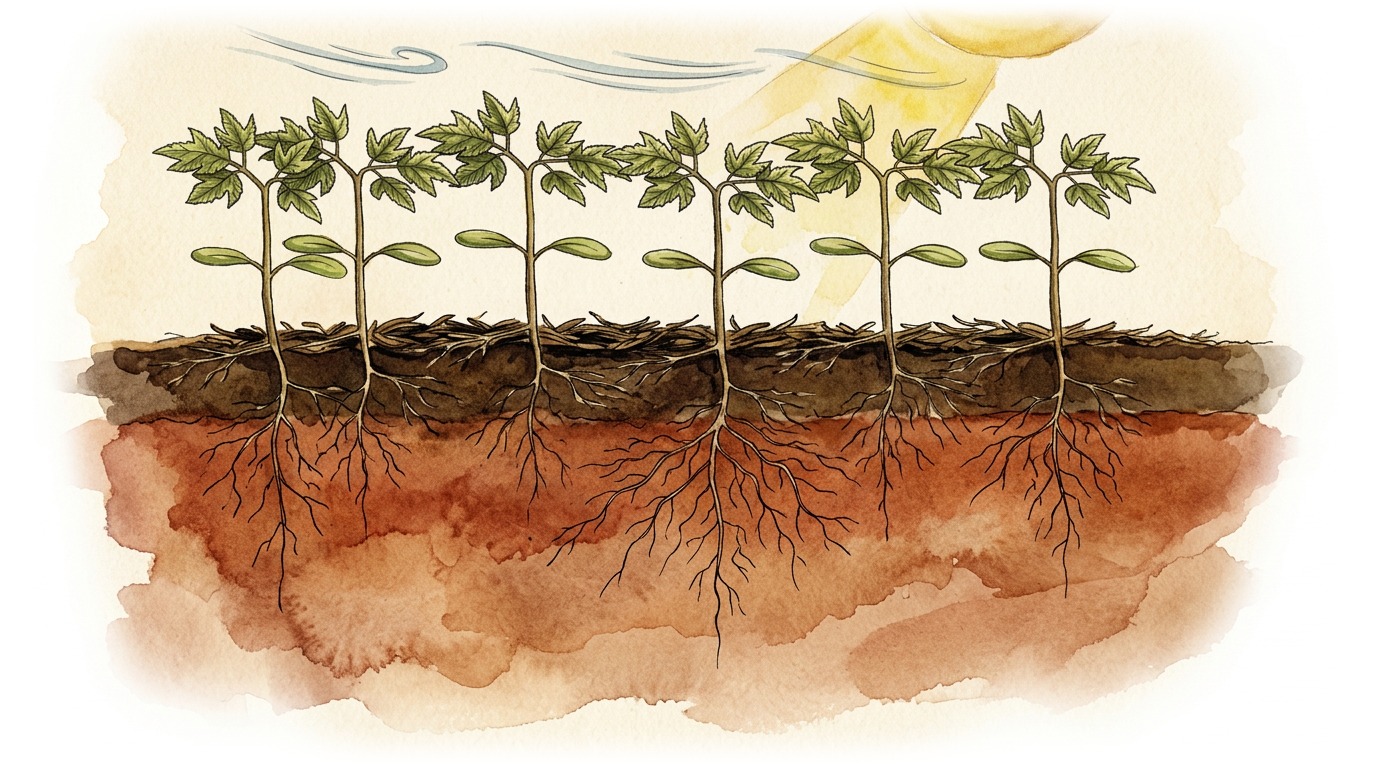
PARTIE 27 SUR 35 Once the plants have grown they protect the soil from the sun and wind.
Once the plants have grown they protect the soil from the sun and wind.

Once the plants have grown they protect the soil from the sun and wind.

Once the plants have grown they protect the soil from the sun and wind.

28
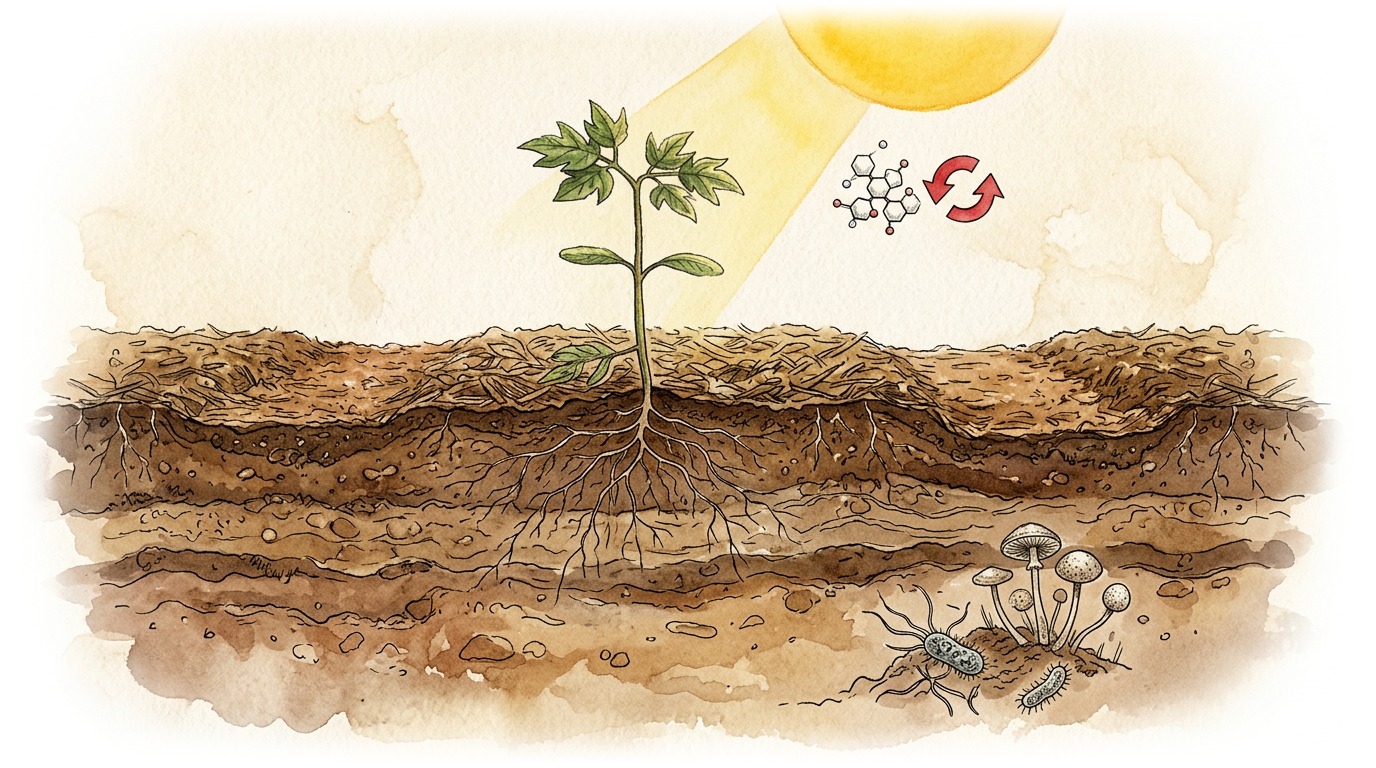
PARTIE 28 SUR 35 PHOTOSYNTHESIS
PHOTOSYNTHESIS

PHOTOSYNTHESIS

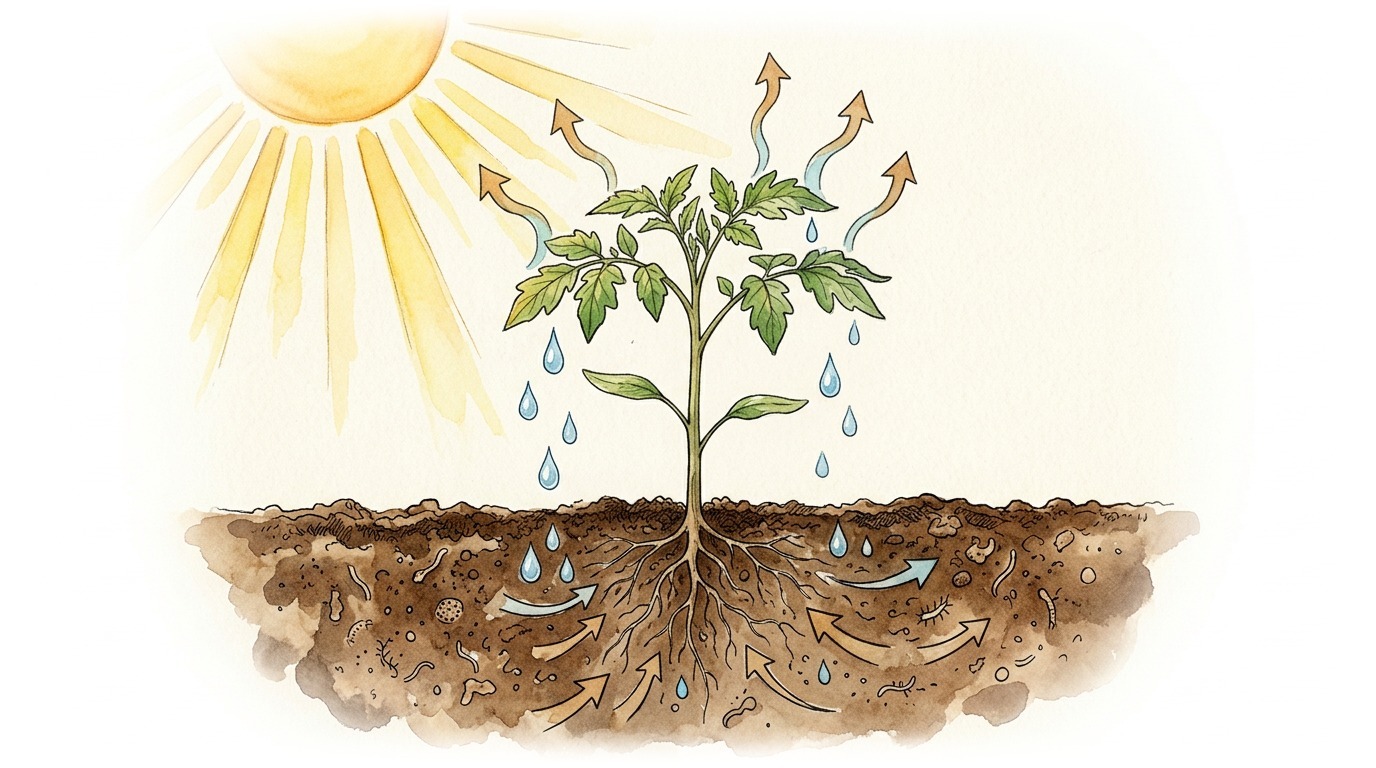
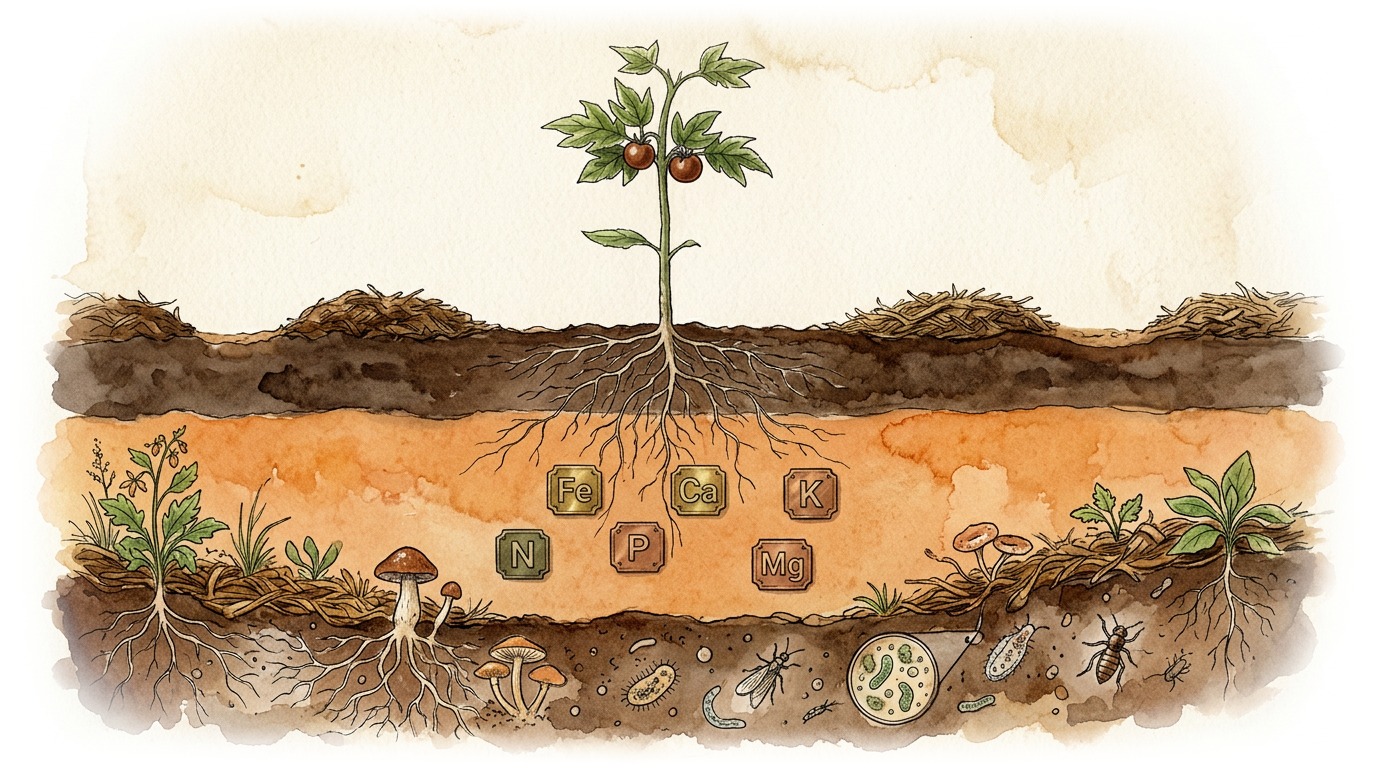
The upper part of the plants interacts with light. The photosynthesis reaction produces sugar that will feed the

fungi and bacteria in the soil.

29
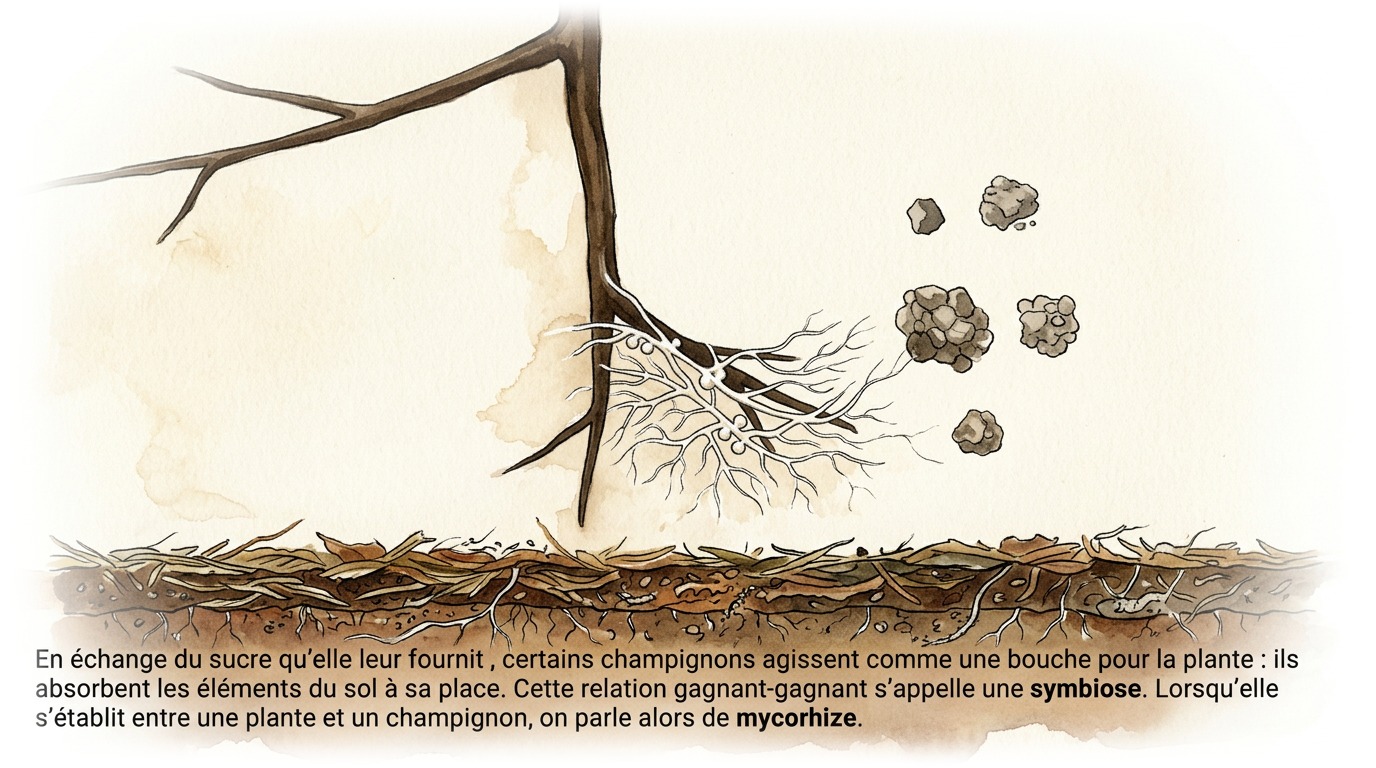
PARTIE 29 SUR 35 In exchange for the sugar it provides, some fungi act as a mouth for the plant: they absorb soil elements on its
In exchange for the sugar it provides, some fungi act as a mouth for the plant: they absorb soil elements on its

In exchange for the sugar it provides, some fungi act as a mouth for the plant: they absorb soil elements on its

behalf. This win-win relationship is called a symbiosis. When it is established between a plant and a fungus, it is

then called mycorrhiza.

30
PARTIE 30 SUR 35 Plants benefit from the water and nutrients stored in the walkways. To access them, they expand their root
Plants benefit from the water and nutrients stored in the walkways. To access them, they expand their root

Plants benefit from the water and nutrients stored in the walkways. To access them, they expand their root

system. The roots stabilize the soil, protect it from erosion, and leaching by heavy rains.

31
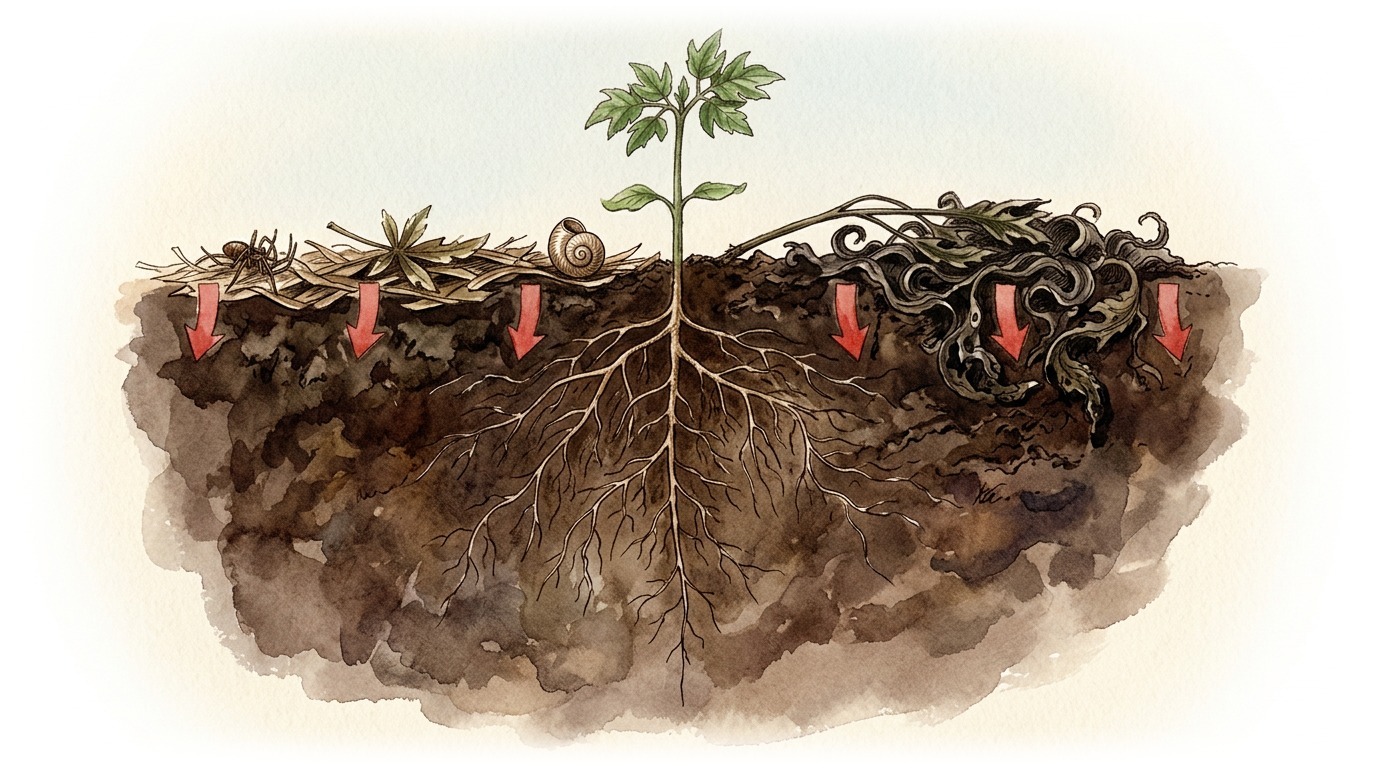
PARTIE 31 SUR 35 Once the harvest is over, the roots remaining in the soil decompose and contribute to enriching the soil with
Once the harvest is over, the roots remaining in the soil decompose and contribute to enriching the soil with

Once the harvest is over, the roots remaining in the soil decompose and contribute to enriching the soil with

organic matter that will feed the microorganisms. In some crops, the roots can reach several kilometers long: the

organic matter they bring in decomposing is therefore not negligible !

32
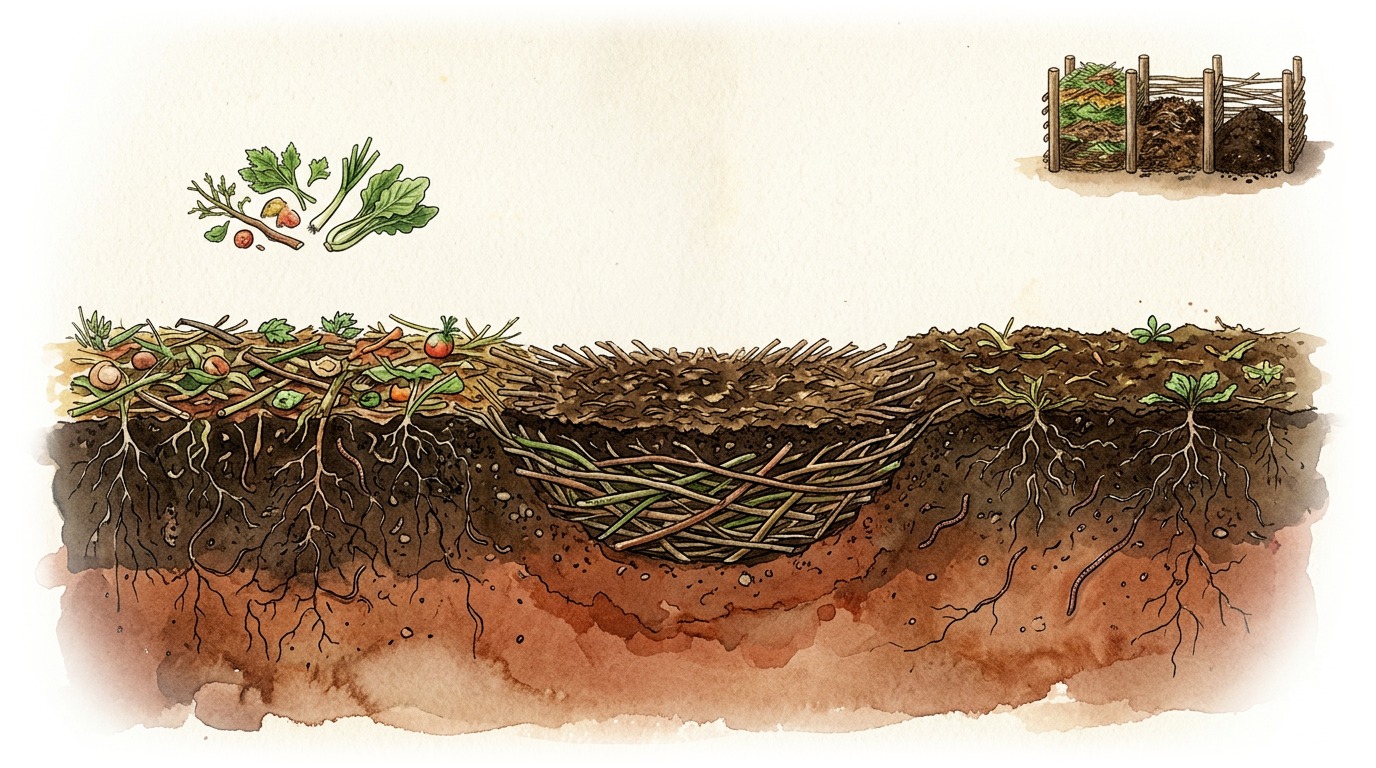
PARTIE 32 SUR 35 Harvest residues provide organic matter. Depending on the amount, it can be added either to our compost bin to
Harvest residues provide organic matter. Depending on the amount, it can be added either to our compost bin to

Harvest residues provide organic matter. Depending on the amount, it can be added either to our compost bin to

obtain compost or under the mulch of the walkways for surface compost.

33
PARTIE 33 SUR 35 Before starting a new crop, this compost can be laid on the surface without being compacted, to not damage the
Before starting a new crop, this compost can be laid on the surface without being compacted, to not damage the

Before starting a new crop, this compost can be laid on the surface without being compacted, to not damage the

soil structure and let life organize itself.

34
PARTIE 34 SUR 35 X3
X3

X3

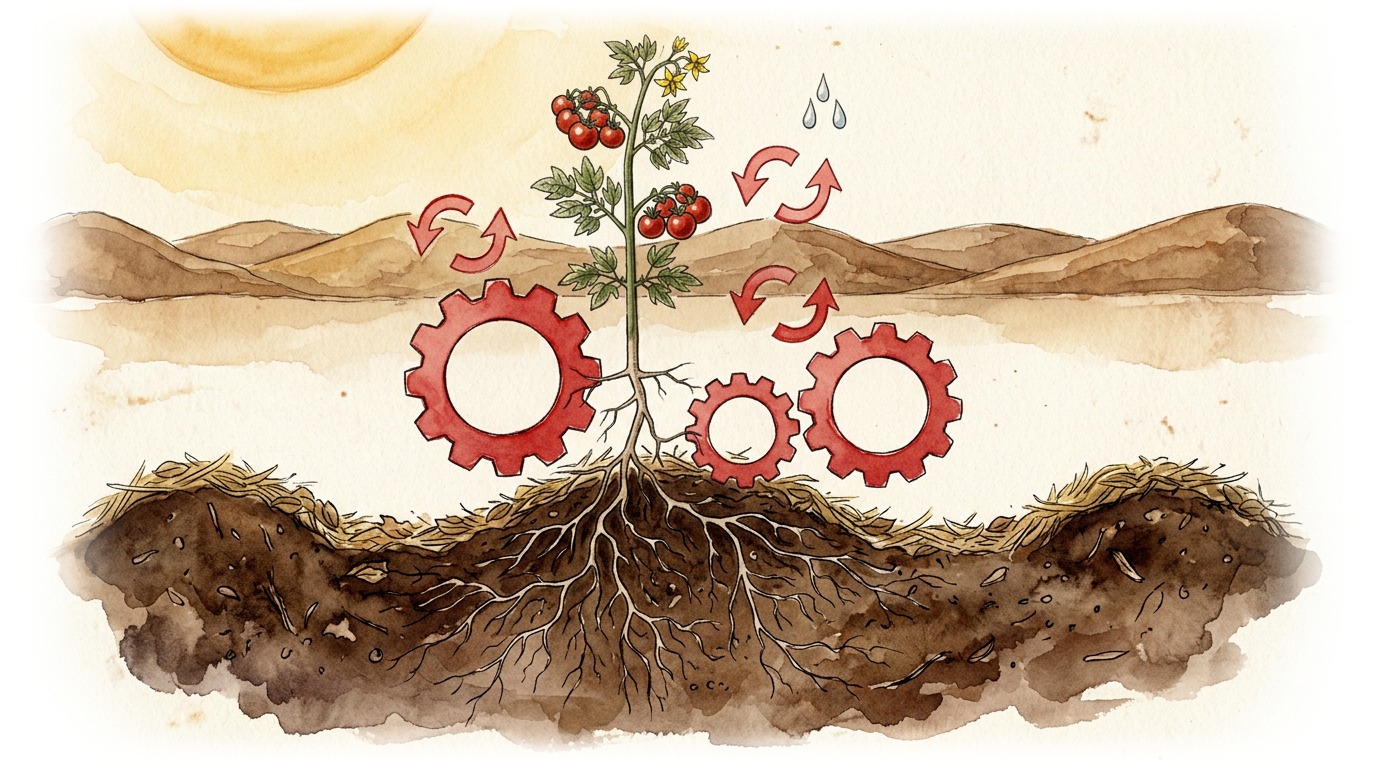
The technique of intensive organic gardening in living soil with permanent beds and mulching improves soil

fertility while tripling the production of vegetables compared to conventional methods.

35
PARTIE 35 SUR 35 The cultivation bed technique has many advantages: by preserving the soil, it allows for a reduction in inputs of
The cultivation bed technique has many advantages: by preserving the soil, it allows for a reduction in inputs of

The cultivation bed technique has many advantages: by preserving the soil, it allows for a reduction in inputs of
compost and organic matter, thus saving money, while increasing productivity and producing healthy food.