Campus
M4.1 🌱 Protection & Design 📖 30 parties ☀️ Terroir tropical & sahélien 🌐 English

Protecting Plant Health

Identify diseases, pests, deficiencies, and water stress. Natural recipes for biopesticides and biofertilizers (garlic, neem, fermented extracts).

📋 Sommaire des chapitres (30 parties) Afficher / Masquer
1
PARTIE 1 SUR 30 For Abundant Harvests, Healthy Plants are Essential.
For Abundant Harvests, Healthy Plants are Essential.

For Abundant Harvests, Healthy Plants are Essential.

This module shows you how to recognize warning signs, use natural solutions, and prevent problems.

2
PARTIE 2 SUR 30 PROTECTING PLANT HEALTH
PROTECTING PLANT HEALTH

PROTECTING PLANT HEALTH

PLANTS

3
PARTIE 3 SUR 30 Understanding that there are different types of problems
Understanding that there are different types of problems

Understanding that there are different types of problems

Understanding that there are different types of problems

4
PARTIE 4 SUR 30 DISEASE
DISEASE

DISEASE

DEFICIENCY

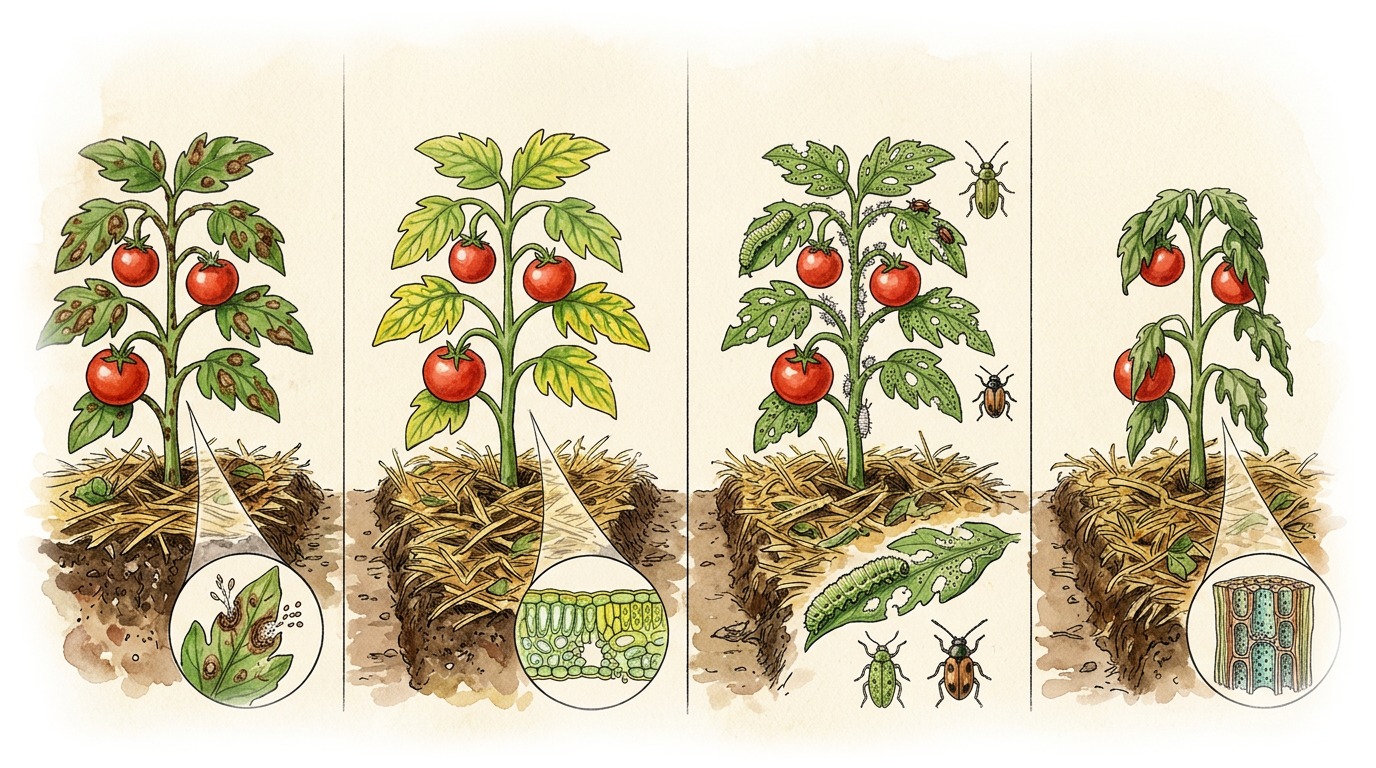
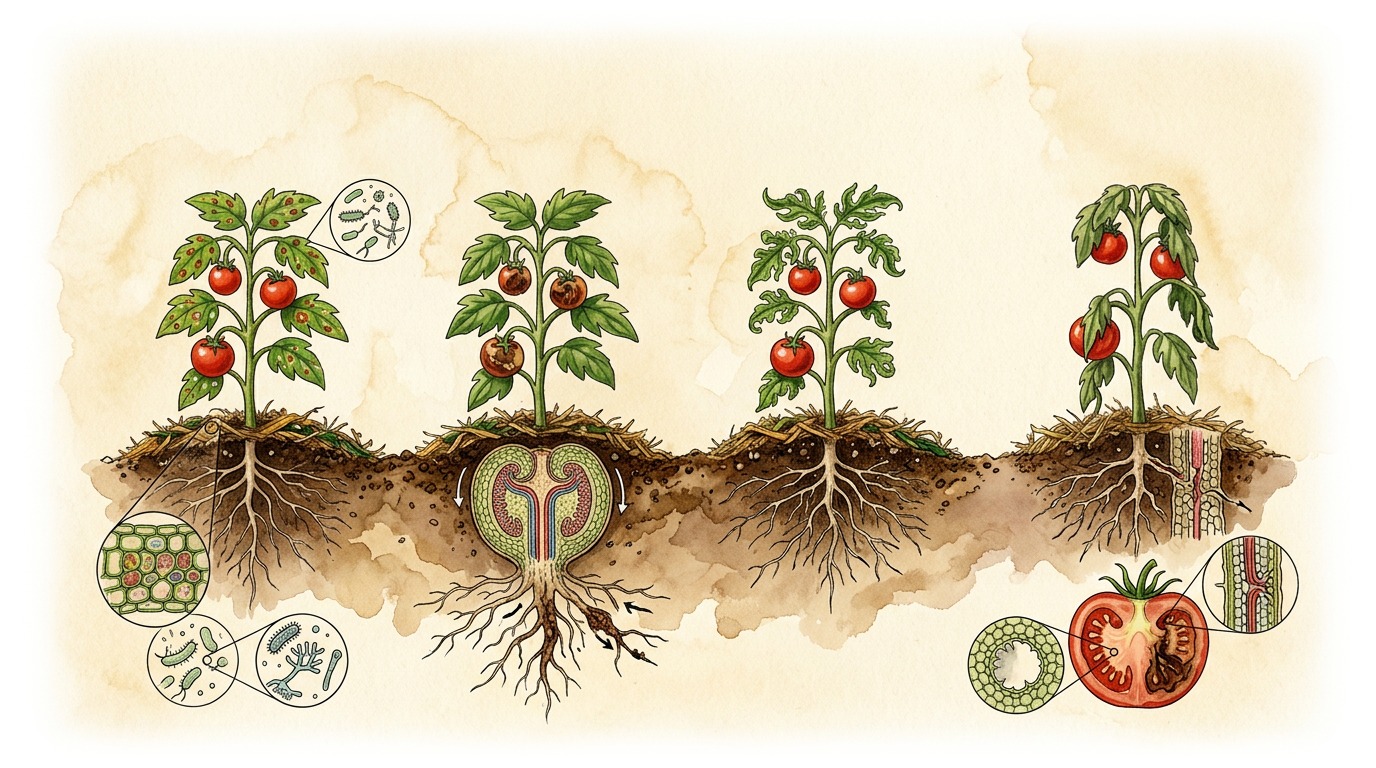
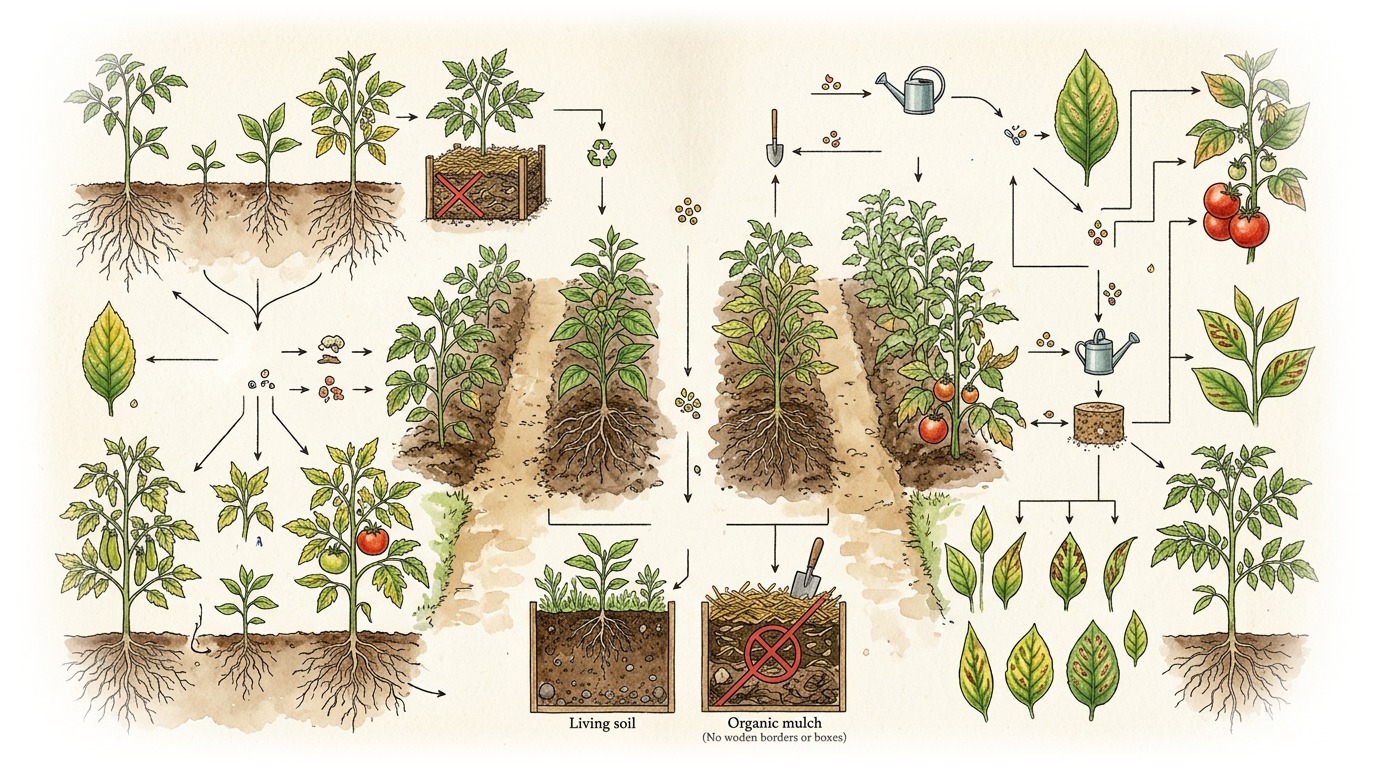
There are 4 main types of plant health problems:

Disease Deficiency Pests Stress PESTS STRESS

5
PARTIE 5 SUR 30 Identifying the Type of Problem
Identifying the Type of Problem

Identifying the Type of Problem

RECOGNIZING A DISEASE-RELATED PROBLEM

6
PARTIE 6 SUR 30 Fungus
Fungus

Fungus

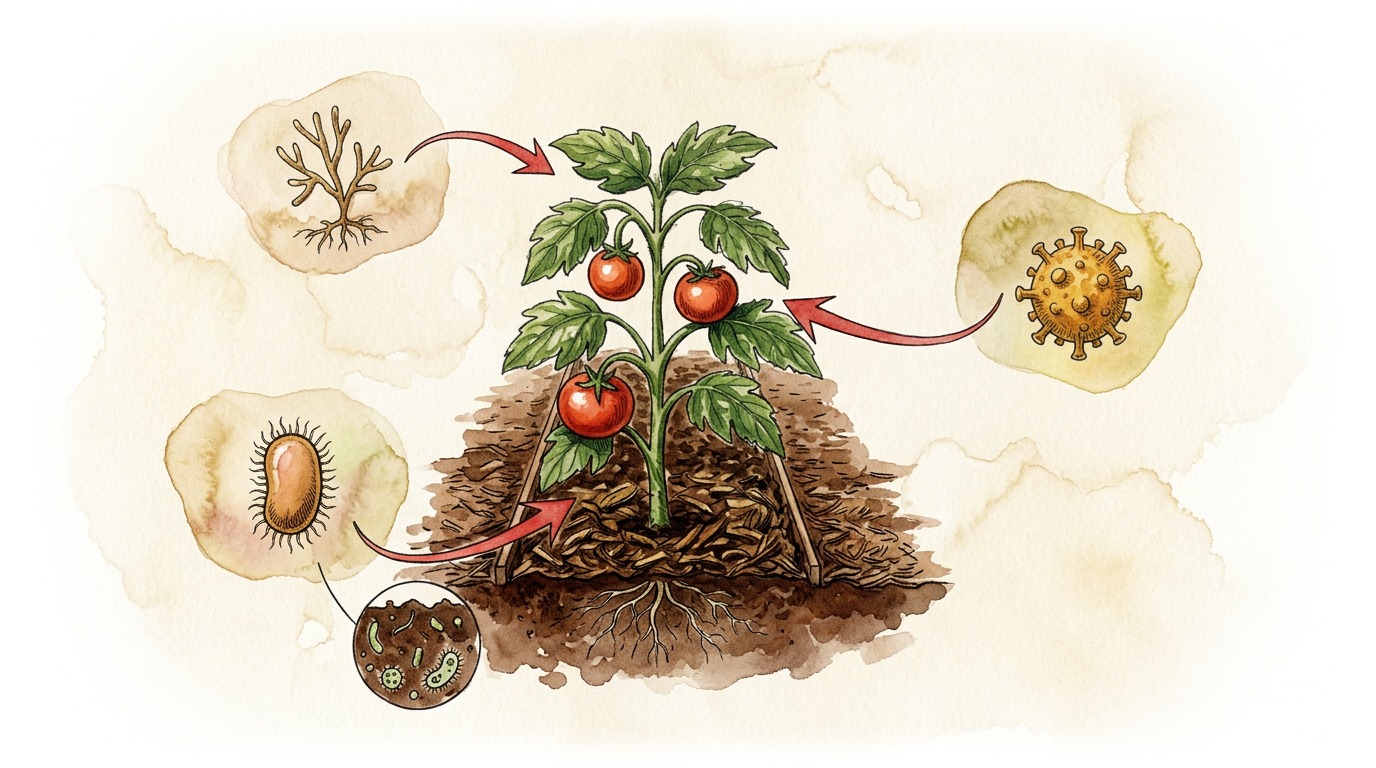
Virus Bacterium A disease is caused by a fungus, a bacterium, or a virus.

7
PARTIE 7 SUR 30 TASKS
TASKS

TASKS

ROT DEFORMATION

A plant may be sick if you observe:

spots on the leaves (black, white, or brown), signs of rot on the fruits or roots,

  • deformed or curled leaves, permanent wilting, even if the plant has received enough water.

WILTING

8
PARTIE 8 SUR 30 TOO MUCH WATER
TOO MUCH WATER

TOO MUCH WATER

TOO DRY TOO HOT/COLD TOO CROWDED

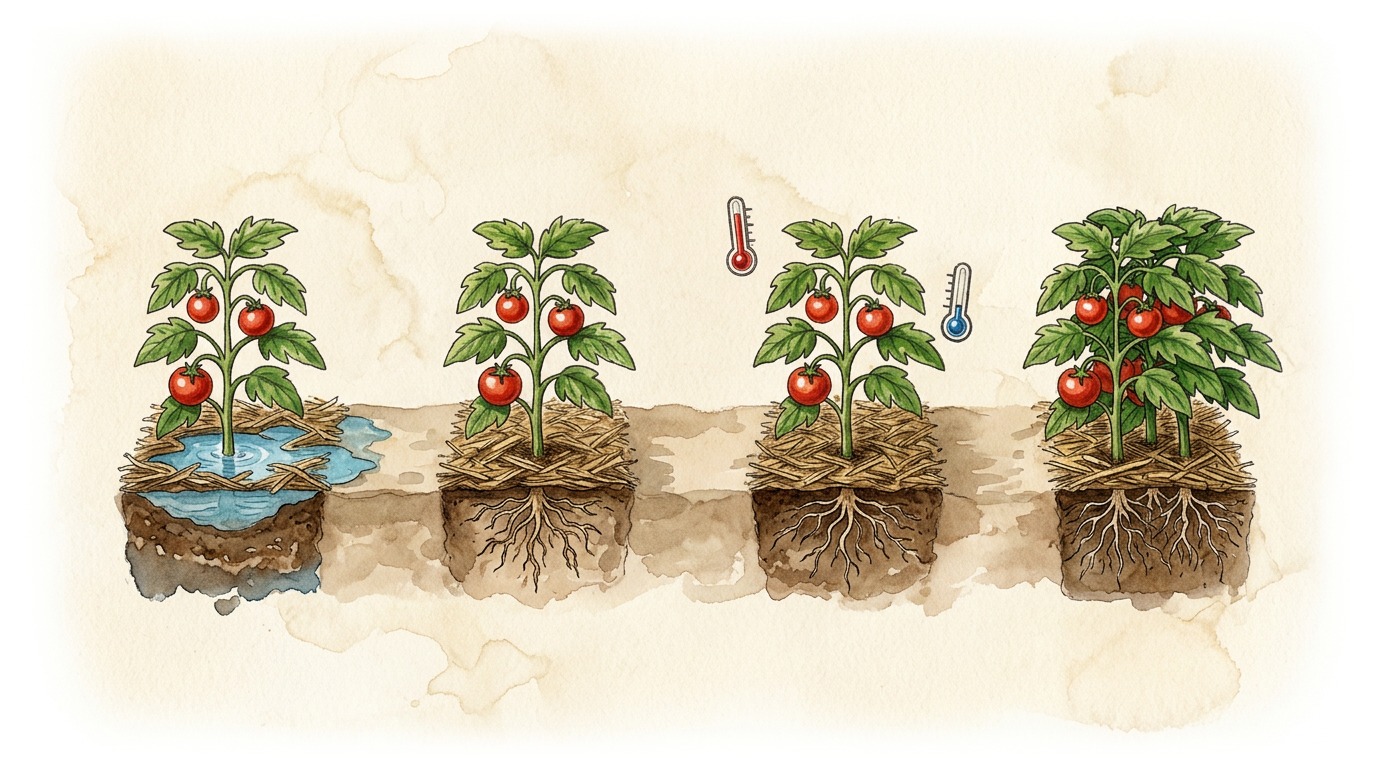
Diseases develop if:

  • Too much water: overly frequent watering, constantly wet soil, prolonged rain.
  • Not enough water: a thirsty plant is less resistant to diseases.
  • Intense heat or cold snap: sudden variations can weaken the plant and activate diseases.
  • Lack of air between plants: overly crowded spacing promotes stagnant humidity and thus diseases.
9
PARTIE 9 SUR 30 CUT
CUT

CUT

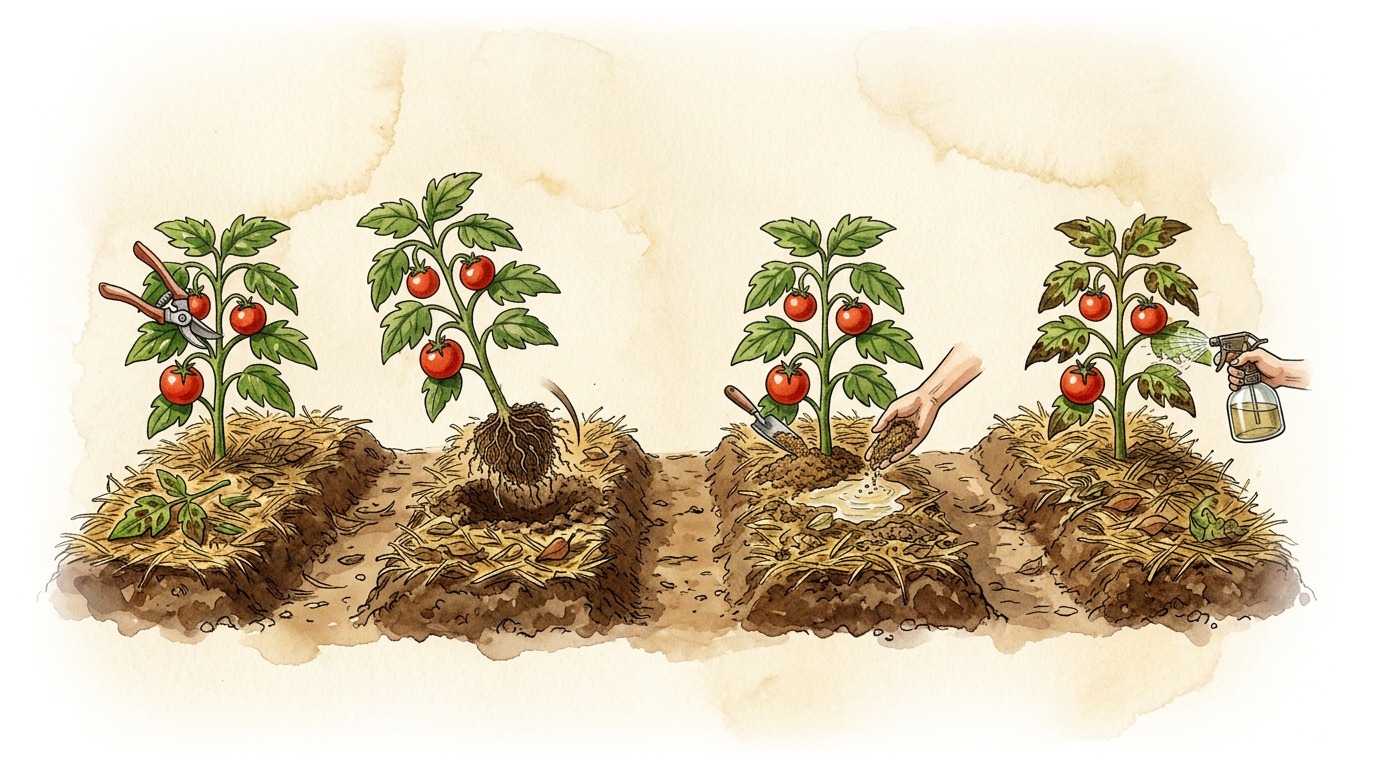
REMOVE STRENGTHEN TREAT What to do when a plant is sick?

  • Eliminate affected parts: cut off diseased leaves, stems, or fruits to prevent spread.
  • Remove the entire plant if it is too sick and cannot be saved.
  • Strengthen the plant and soil with a light application of compost or compost tea.
  • Apply a natural treatment: garlic infusion, neem slurry, baking soda…
10
PARTIE 10 SUR 30 THINNING THE FOLIAGE
THINNING THE FOLIAGE

THINNING THE FOLIAGE

ADAPT WATERING +

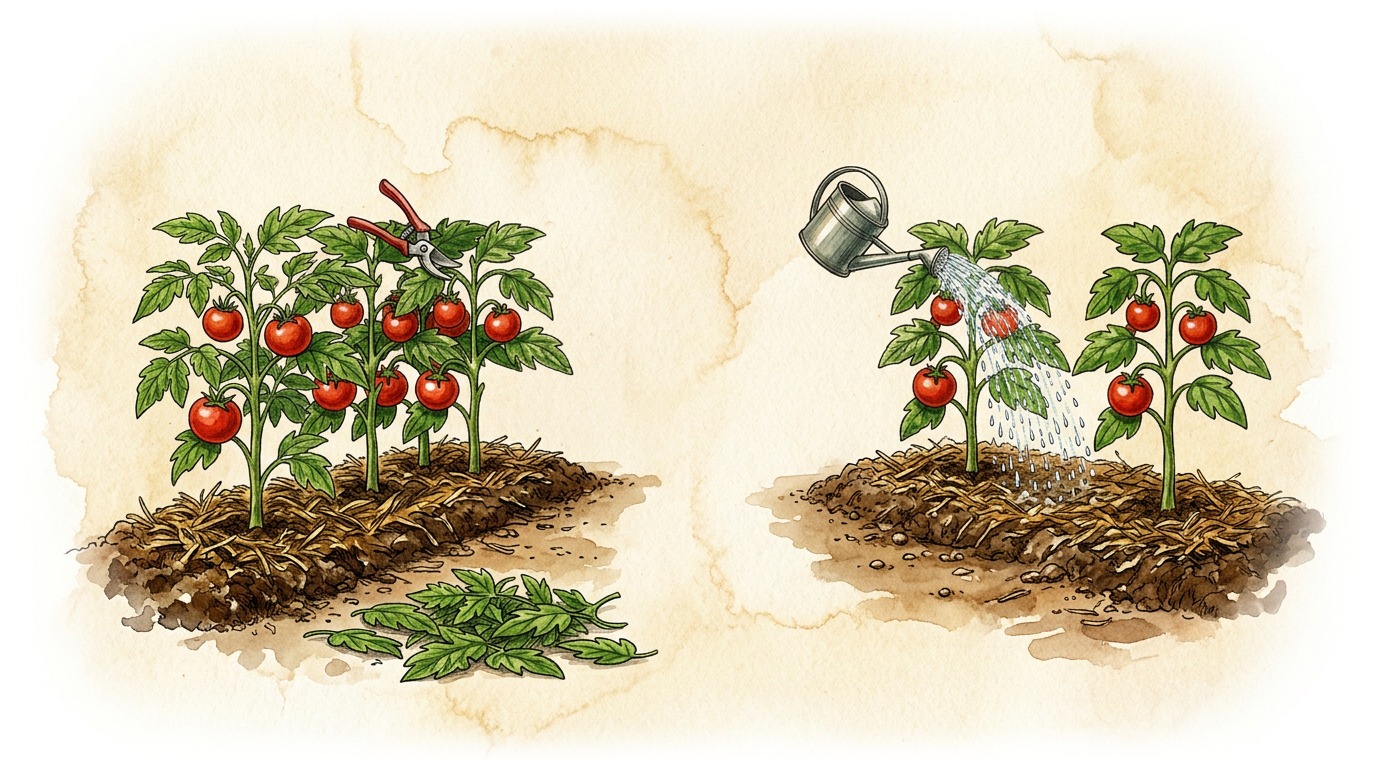
To prevent the disease from returning, you can:

  • Thin the foliage to allow air and light to pass through, and limit stagnant humidity.
  • Adapt watering
11
PARTIE 11 SUR 30 Identifying the Type of Problem
Identifying the Type of Problem

Identifying the Type of Problem

RECOGNIZING A DEFICIENCY-RELATED PROBLEM

12
PARTIE 12 SUR 30 Yellow Leaves
Yellow Leaves

Yellow Leaves

Deformed fruits

Slow growth

Purple stems

Dry edges

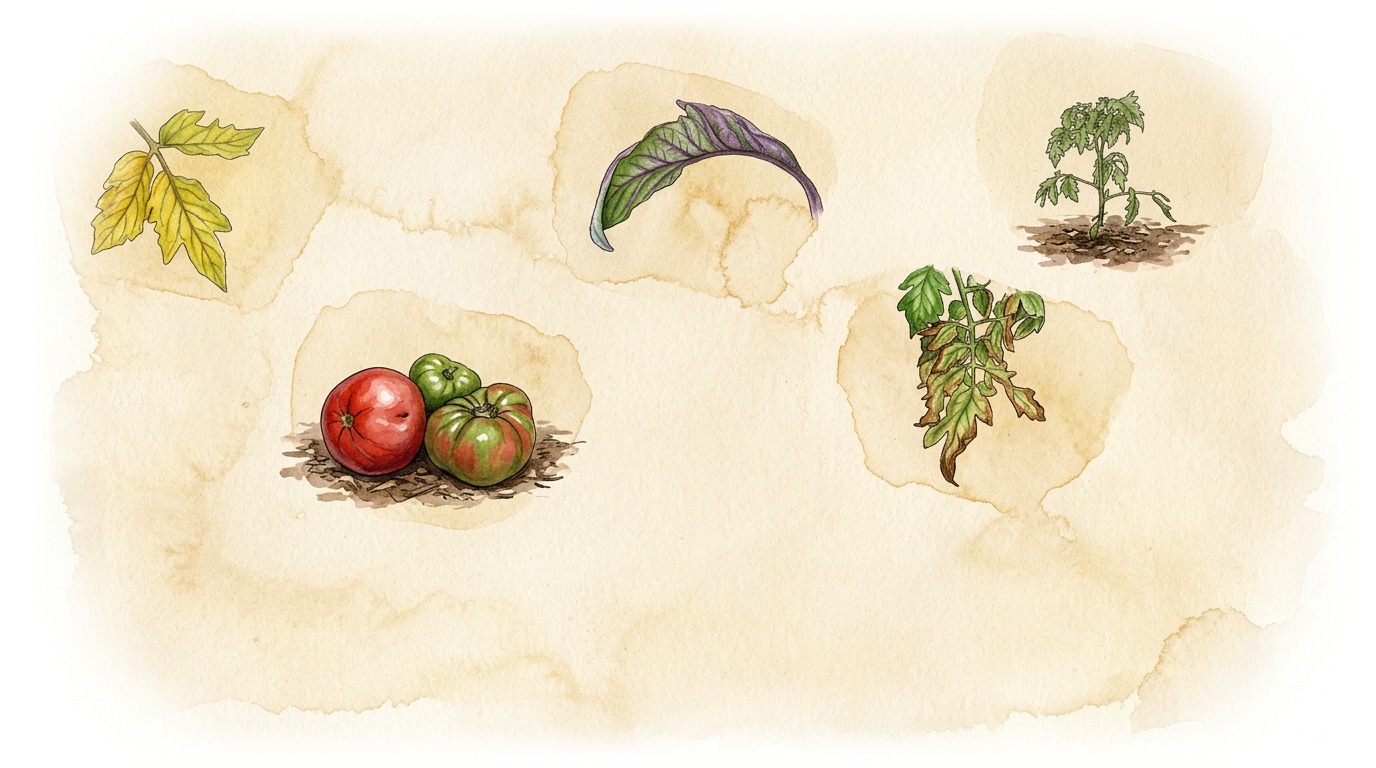
When a plant doesn't receive all the nutrients it needs, it shows.

A plant may be deficient if you observe:

  • Yellow leaves (often at the bottom)
  • Small or deformed fruits
  • Red or purple stems
  • Leaves with dry, red, or purple edges
  • Slow growth, stunted plants
13
PARTIE 13 SUR 30 POOR SOIL
POOR SOIL

POOR SOIL

COMPACT SOIL UNBALANCED PH

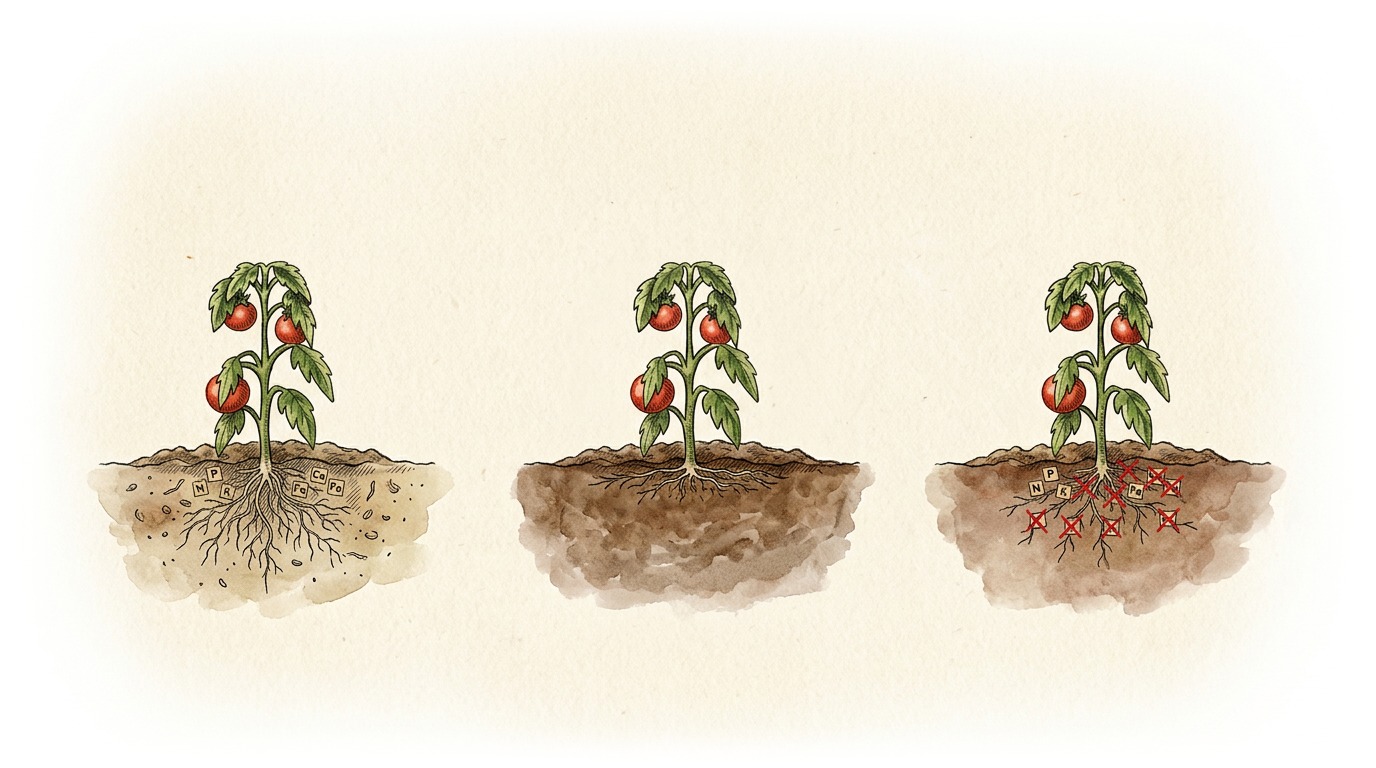
Deficiencies appear when:

  • The soil is poor and compost is absent or of poor quality.
  • The soil is too compact or poorly aerated: water and nutrients cannot properly reach the roots.
  • The soil's pH (acidity or basicity) is unbalanced: too acidic or too basic, it can block certain nutrients, even if they are present in the soil.
14
PARTIE 14 SUR 30 STRENGTHEN
STRENGTHEN

STRENGTHEN

TREAT TEST BASIC U IDE AC pH IDE AC BASIC NEUTRAL pH NEUTRAL E ANALYZE

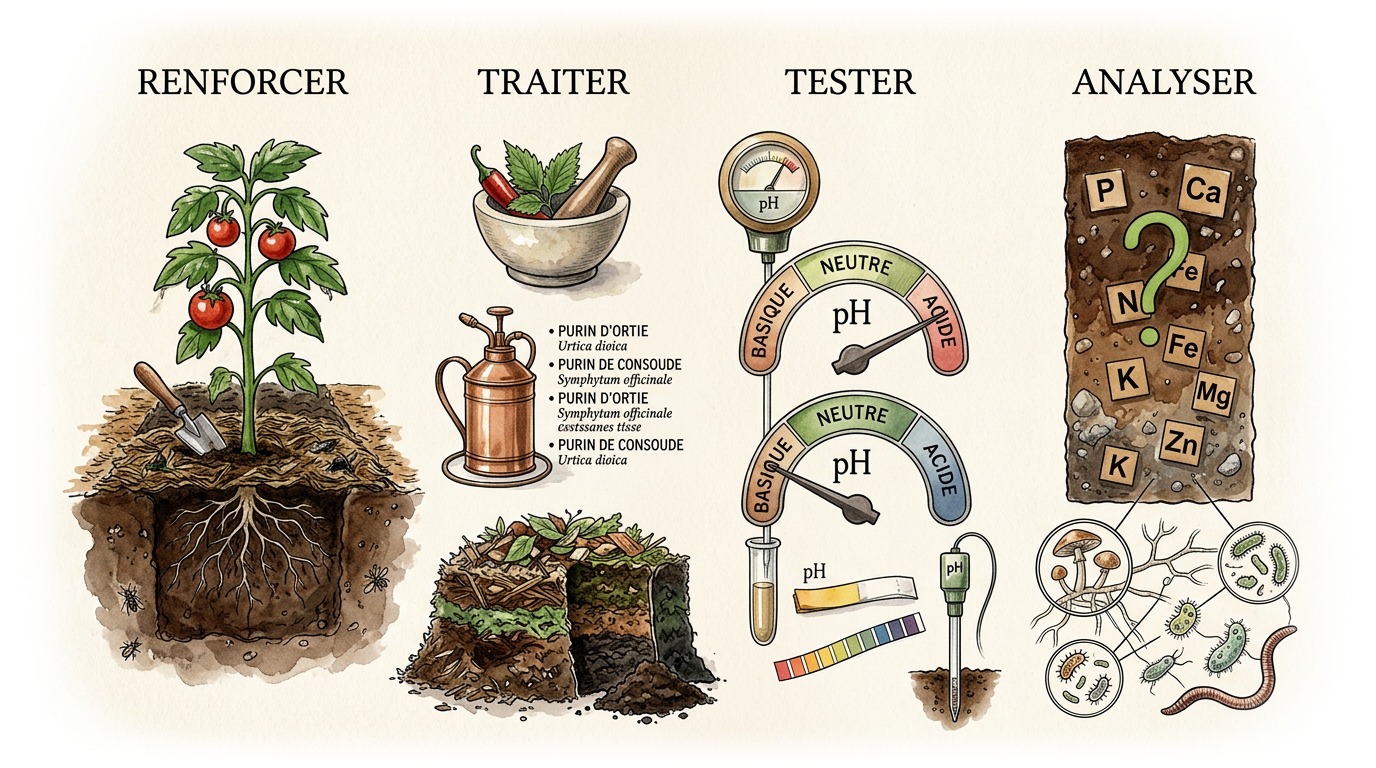
To correct a deficiency, one can:

  • Add mature compost regularly: 1 to 2 wheelbarrows per bed depending on the crop
  • Use leaf manure (nettle, comfrey, neem, etc.) to stimulate growth
  • Test the soil pH if the problem persists (pH paper or simple kit). If it is too acidic, it can be corrected with a small amount of agricultural lime.
  • Perform a soil analysis to provide missing elements
15
PARTIE 15 SUR 30 Identifying the Type of Problem
Identifying the Type of Problem

Identifying the Type of Problem

RECOGNIZING A PROBLEM CAUSED BY INSECT PESTS

16
PARTIE 16 SUR 30 Visible Insects
Visible Insects

Visible Insects

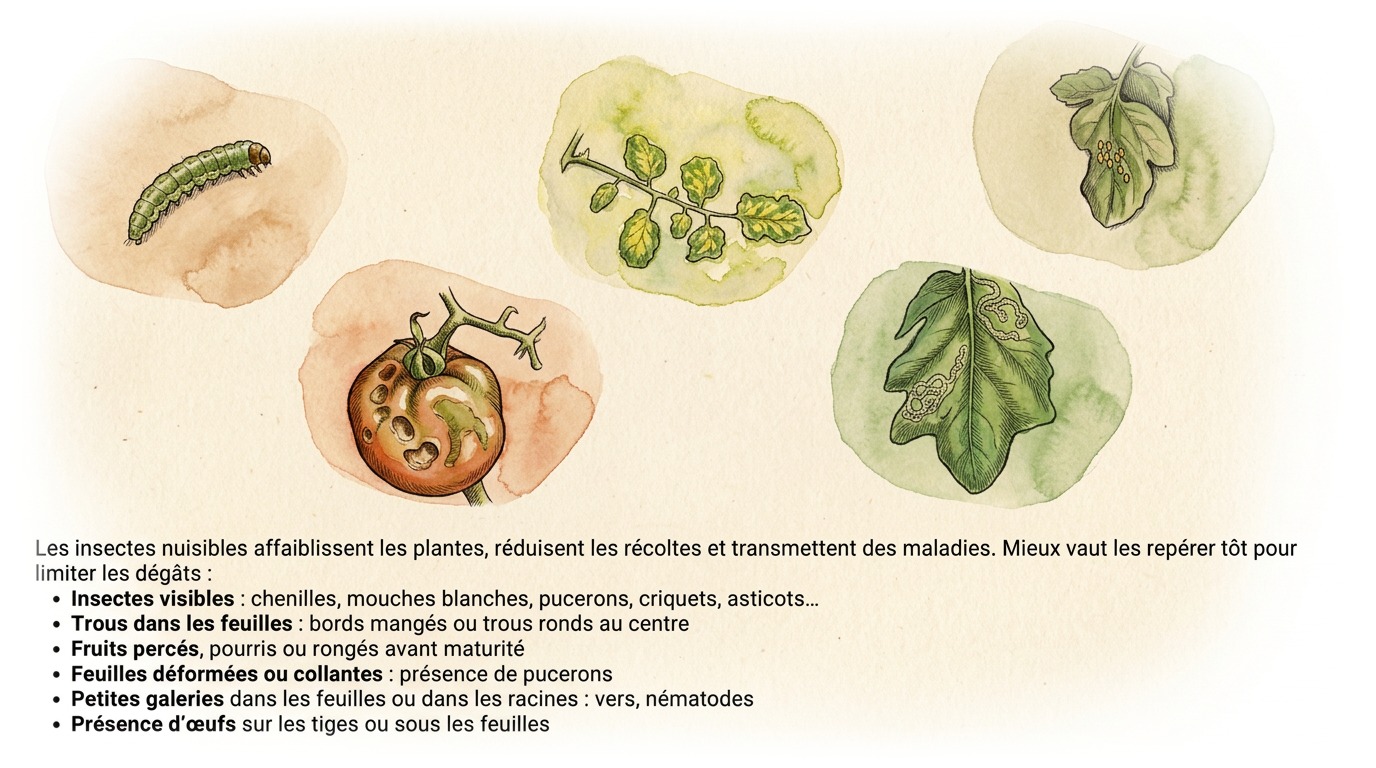
Eggs Deformed or sticky leaves Damaged fruits Galleries

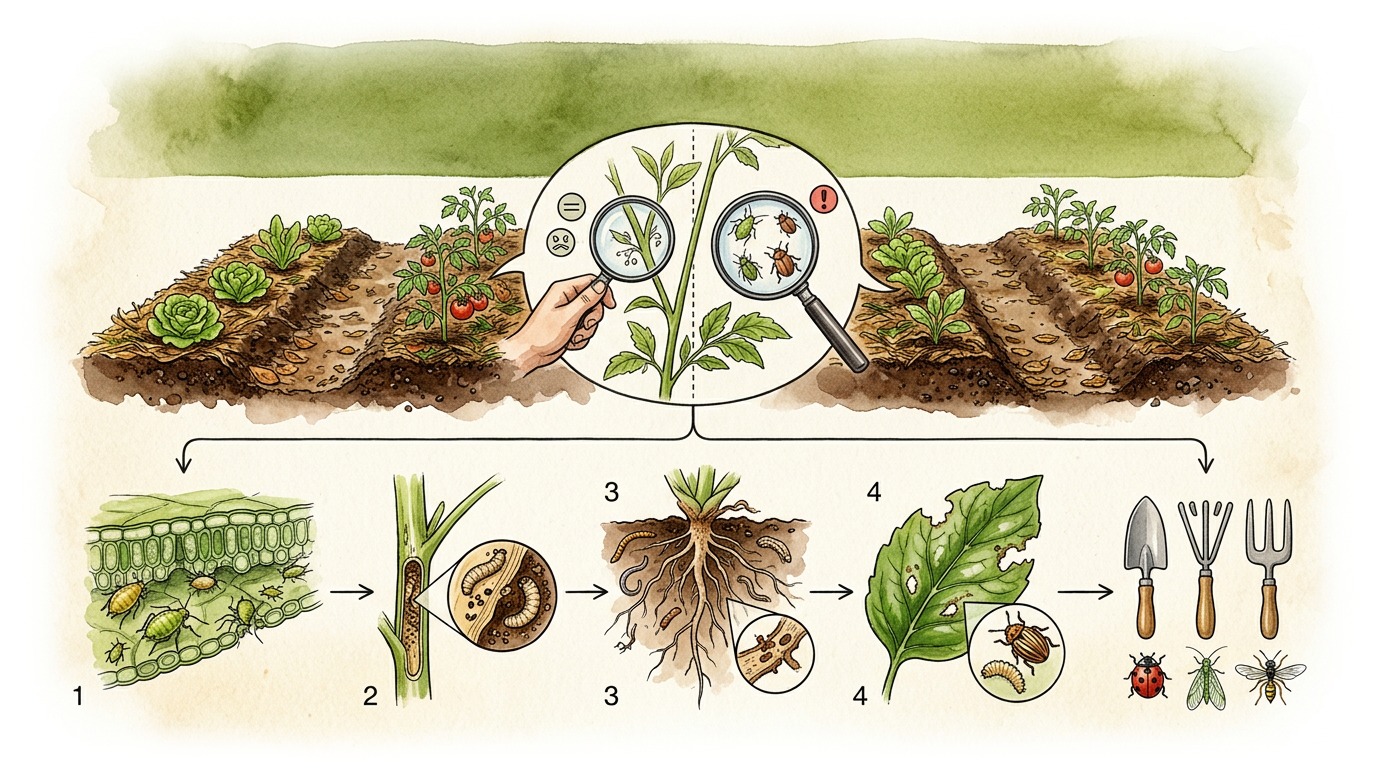
Pest insects weaken plants, reduce harvests, and transmit diseases. It's best to spot them early to limit damage:

  • Visible insects: caterpillars, whiteflies, aphids, locusts, maggots…
  • Holes in leaves: eaten edges or round holes in the center
  • Pierced, rotten, or gnawed fruits before maturity
  • Deformed or sticky leaves: presence of aphids
  • Small galleries in leaves or roots: worms, nematodes
  • Presence of eggs on stems or under leaves
17
PARTIE 17 SUR 30 MONITOR CLOSELY:
MONITOR CLOSELY:

MONITOR CLOSELY:

Young seedlings Stressed plants

  • Cabbage, tomato, bean, and okra crops

Certain plants are more vulnerable and must be monitored closely:

Young seedlings and transplants, with tender leaves very attractive to insects

Stressed or weakened plants, which defend themselves less effectively

Crops like cabbage, tomatoes, beans, or okra are more frequently attacked

18
PARTIE 18 SUR 30 CUT
CUT

CUT

SPRAY

If you have spotted signs of pests:

  • Remove heavily infested leaves to slow down the infestation
  • Spray plants to dislodge harmful insects
  • Install fine nets or screens against flying insects

PROTECT

19
PARTIE 19 SUR 30 MONITORING
MONITORING

MONITORING

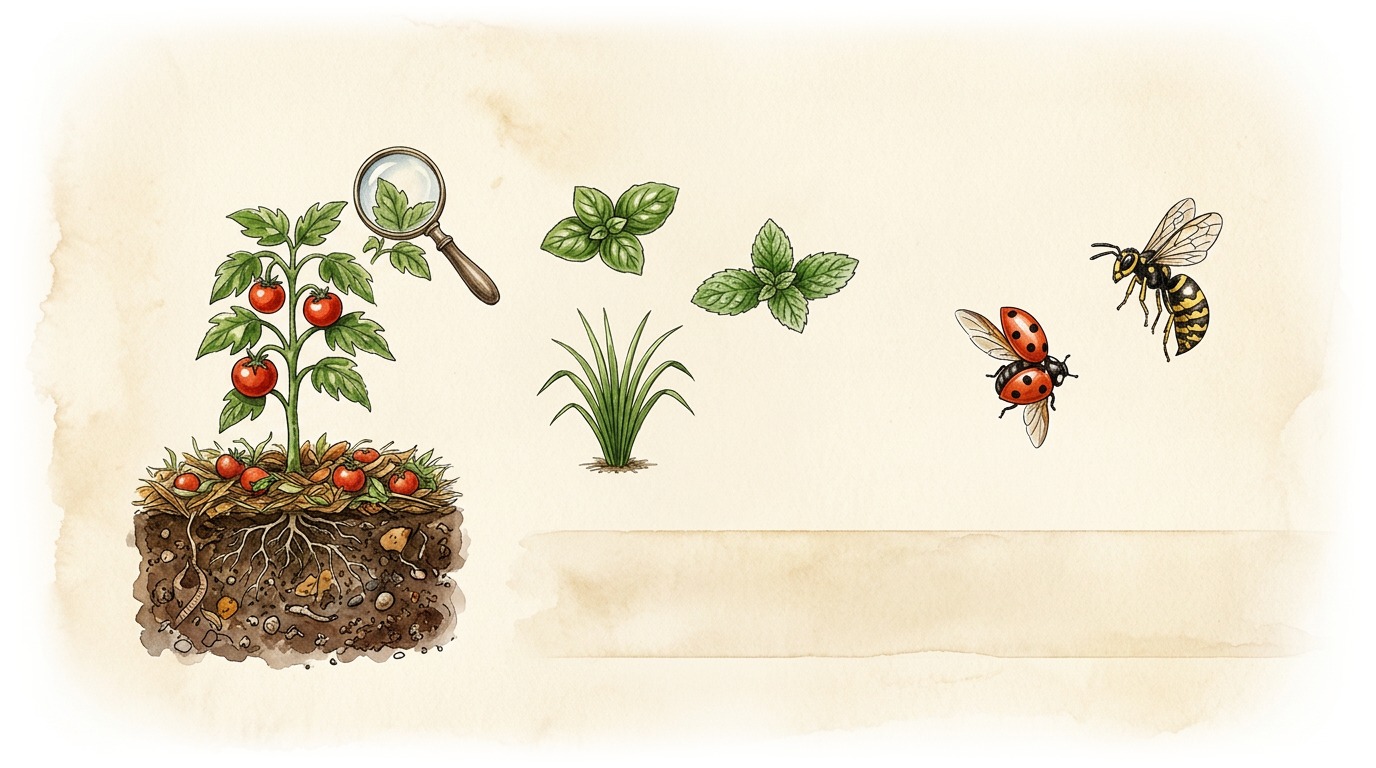
PLANT REPELLENTS ATTRACT BENEFICIAL INSECTS BASIL MINT LEMONGRASS WASP LADYBUG

To prevent pests from returning:

  • Regularly observe under the leaves and on young shoots. This allows early detection of problems.
  • Plant repellent plants such as basil, mint, lemongrass, or marigolds next to your crops.
  • Attract beneficial insects, like ladybugs or certain wasps, which eat pests. Place harmful insects on a plate near the crops with seeds to attract birds. They will then come and pick the harmful insects directly from the plants.
20
PARTIE 20 SUR 30 Identifying the Type of Problem
Identifying the Type of Problem

Identifying the Type of Problem

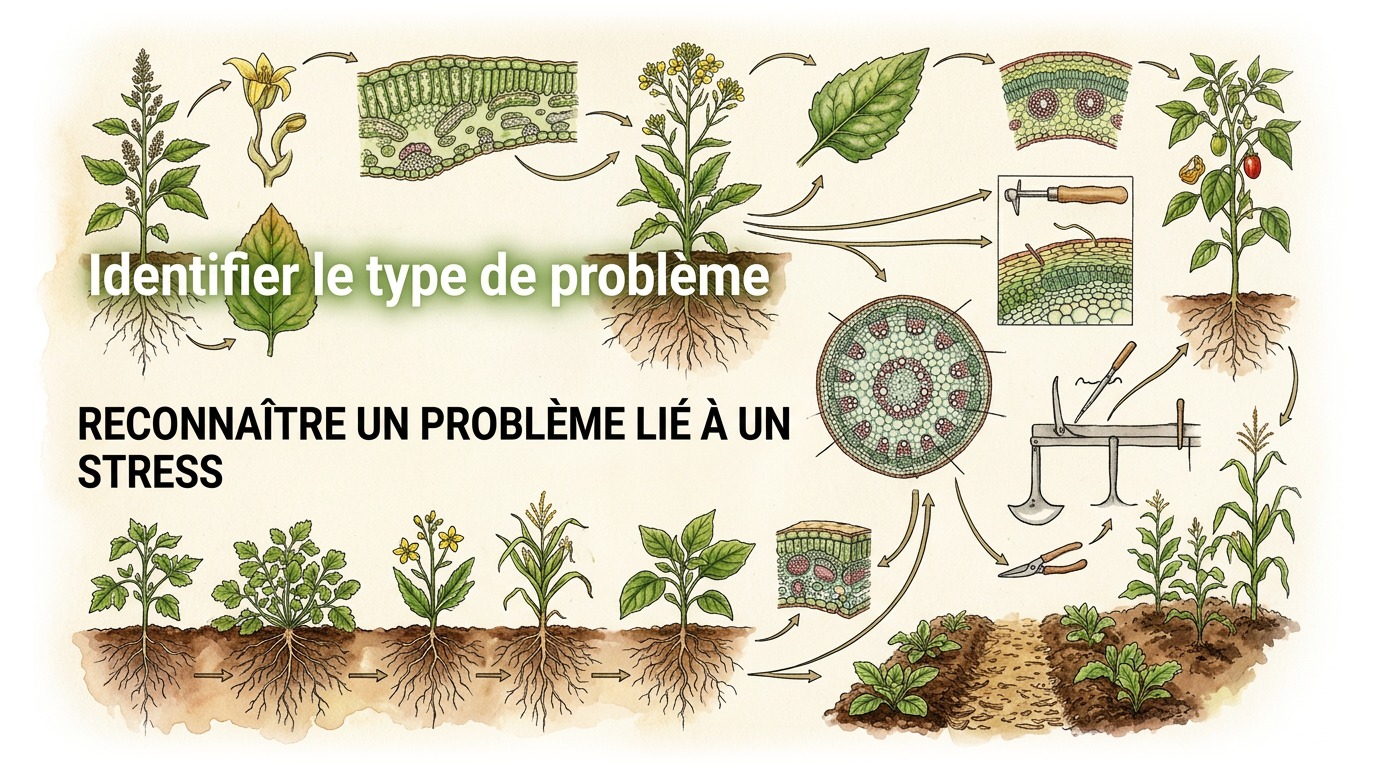
RECOGNIZING A STRESS-RELATED PROBLEM

21
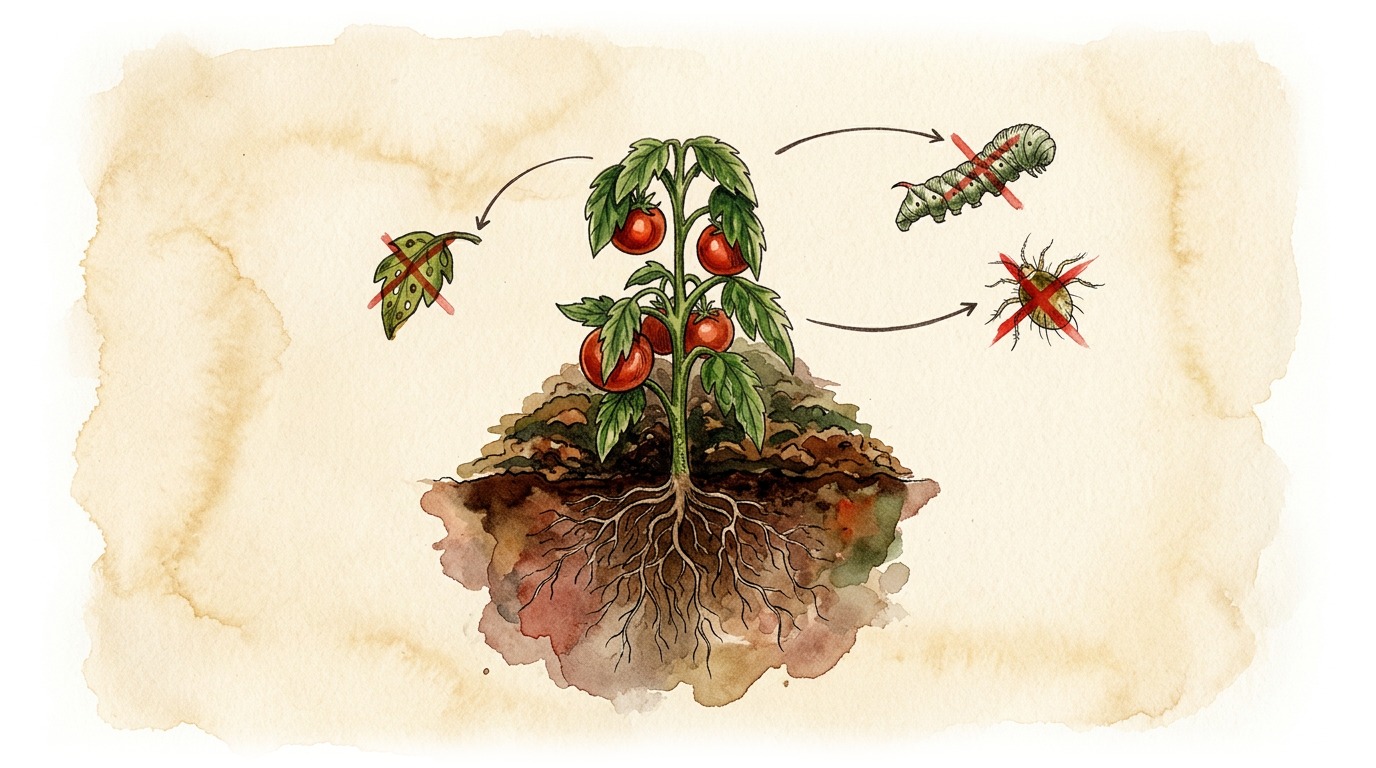
PARTIE 21 SUR 30 The plant seems to be doing poorly, but no pests or diseases are visible. What if it's stress? This is visible through:
The plant seems to be doing poorly, but no pests or diseases are visible. What if it's stress? This is visible through:

The plant seems to be doing poorly, but no pests or diseases are visible. What if it's stress? This is visible through:

  • It wilts in the middle of the day, especially during hot weather.
  • It has stopped growing.
22
PARTIE 22 SUR 30 TOO HOT/COLD
TOO HOT/COLD

TOO HOT/COLD

TOO DRY/WET

POOR TRANSPLANTING IN FULL SUN

TOO EARLY/LATE

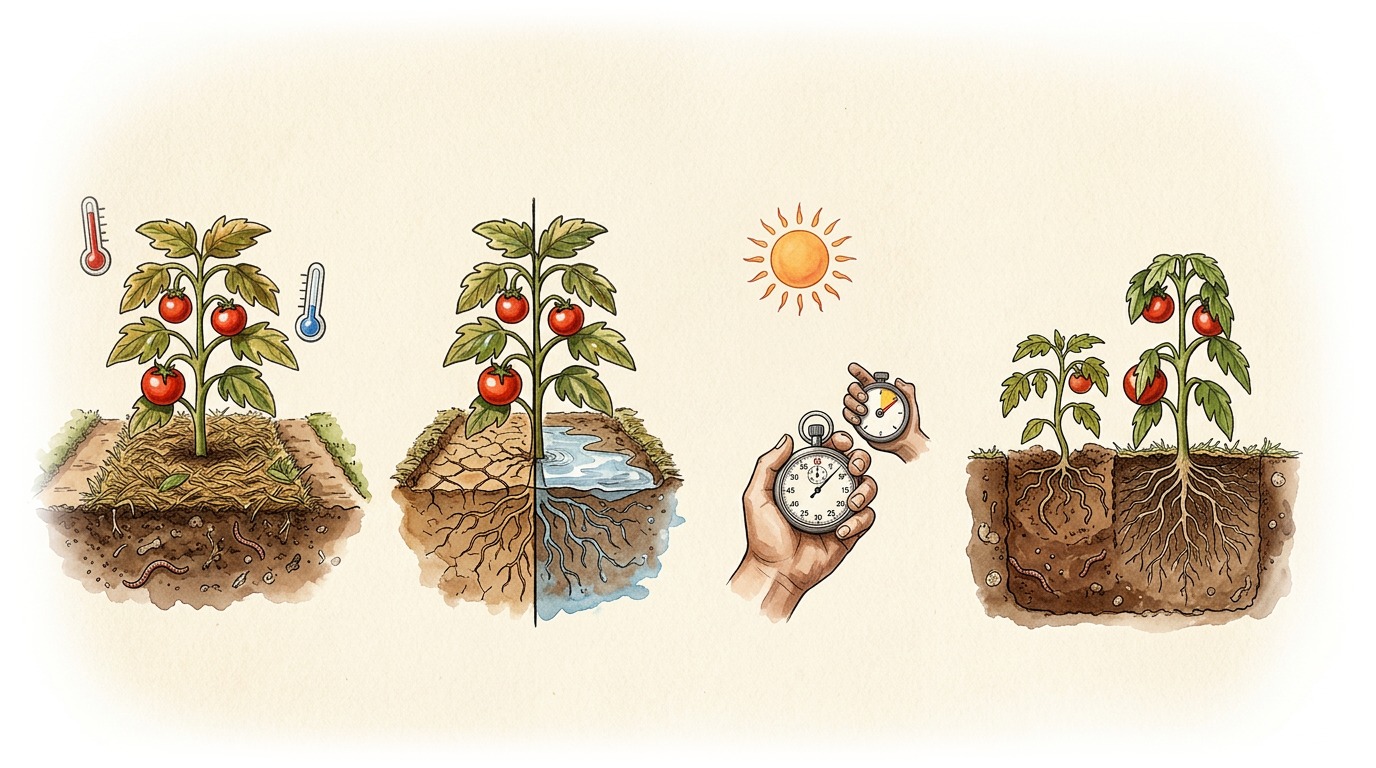
What causes stress in plants:

  • Soil that is too hot or too cold
  • Extreme variations: too dry, too wet
  • Poor transplanting or transplanting in full sun
  • Transplanting too early or too late
  • Compact soil: roots struggle to establish themselves

COMPACT SOIL

23
PARTIE 23 SUR 30 MULCHING
MULCHING

MULCHING

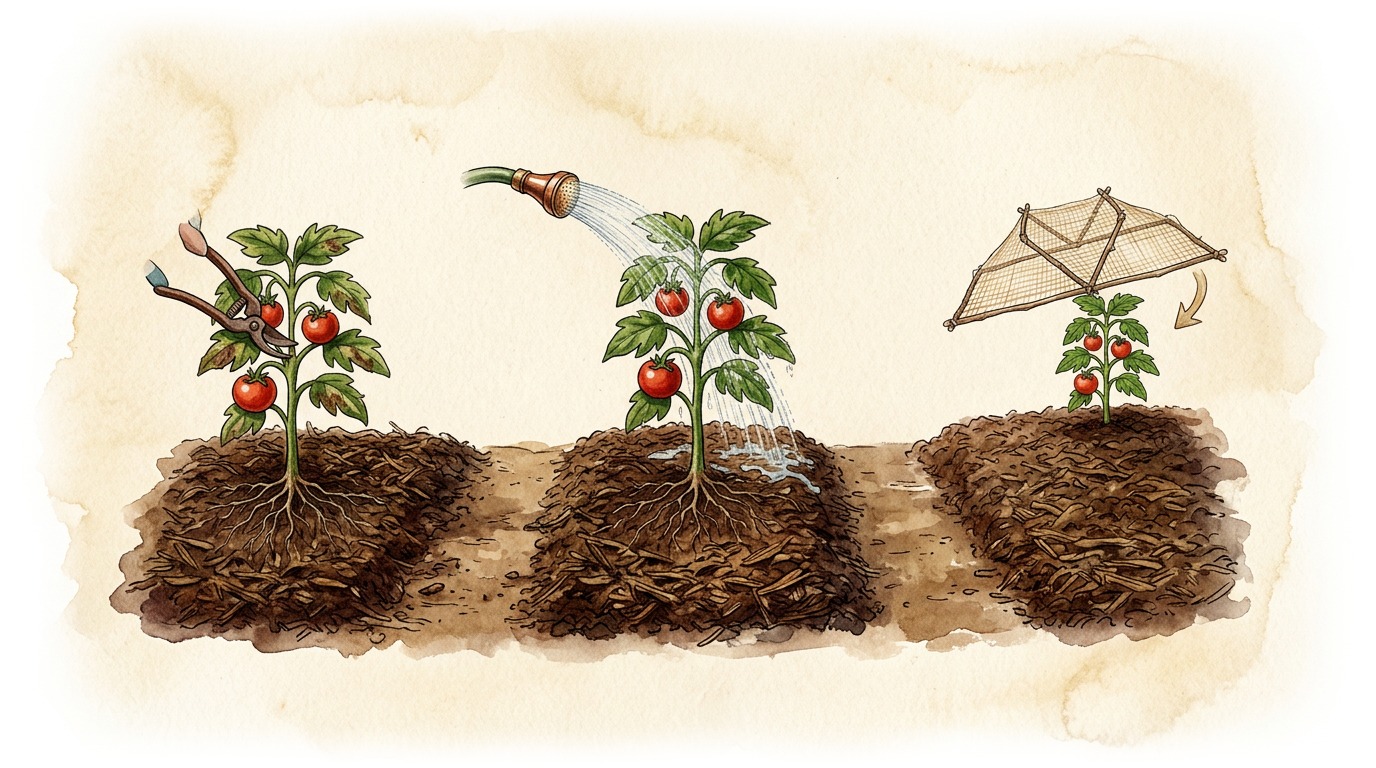
WATER + PROTECT SHADE NET

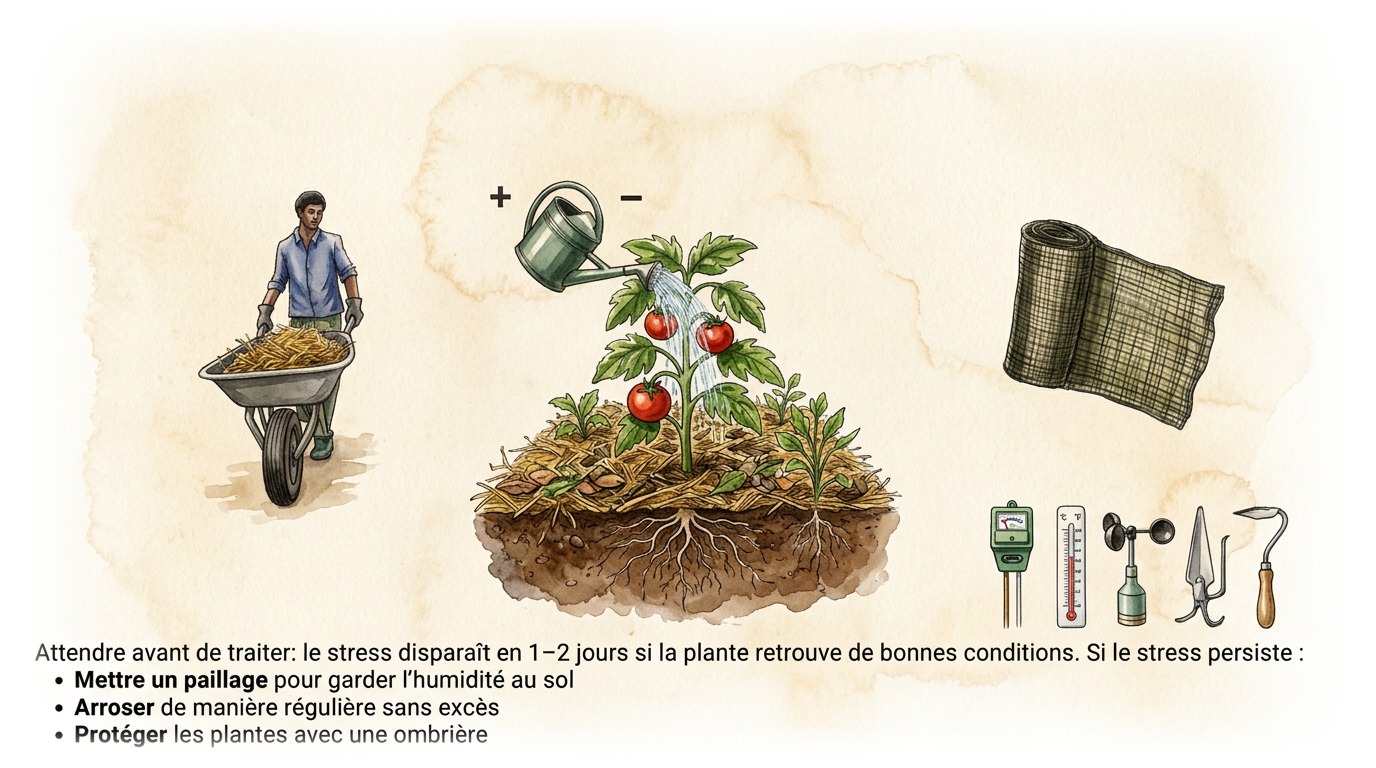
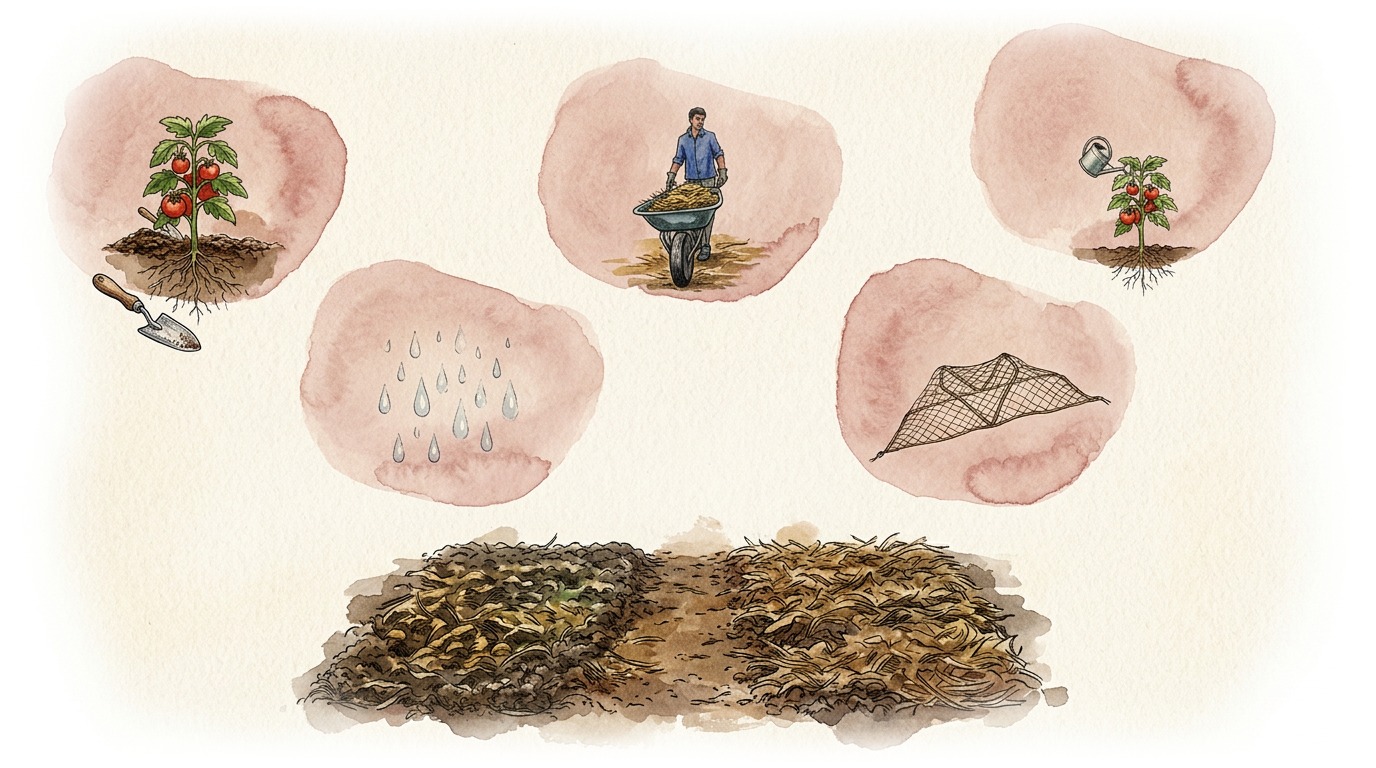
Wait before treating: stress disappears in 1–2 days if the plant returns to good conditions. If stress persists:

  • Mulch to retain soil moisture
  • Water regularly without excess
  • Protect plants with a shade cloth
24
PARTIE 24 SUR 30 Limiting Problems Through Organic Market Gardening
Limiting Problems Through Organic Market Gardening

Limiting Problems Through Organic Market Gardening

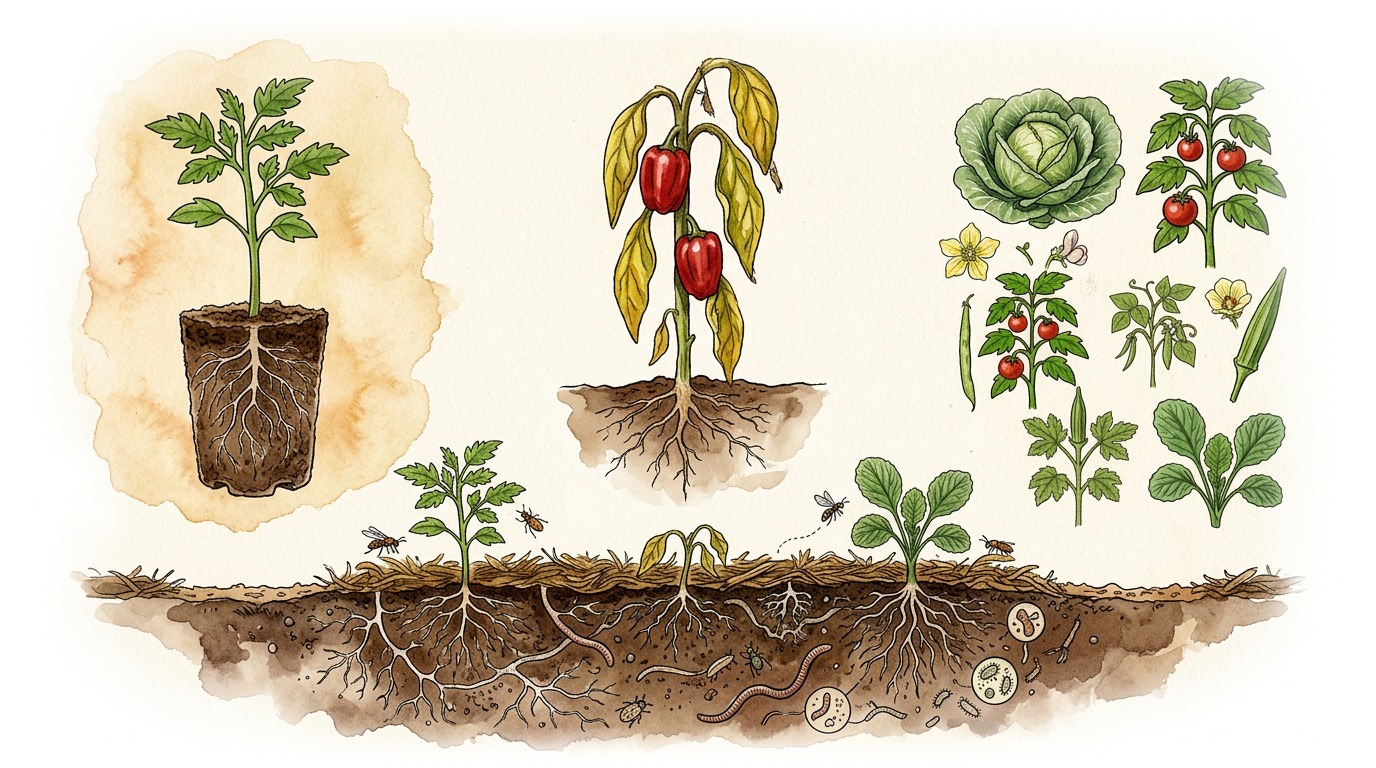
intensive in living soil

25
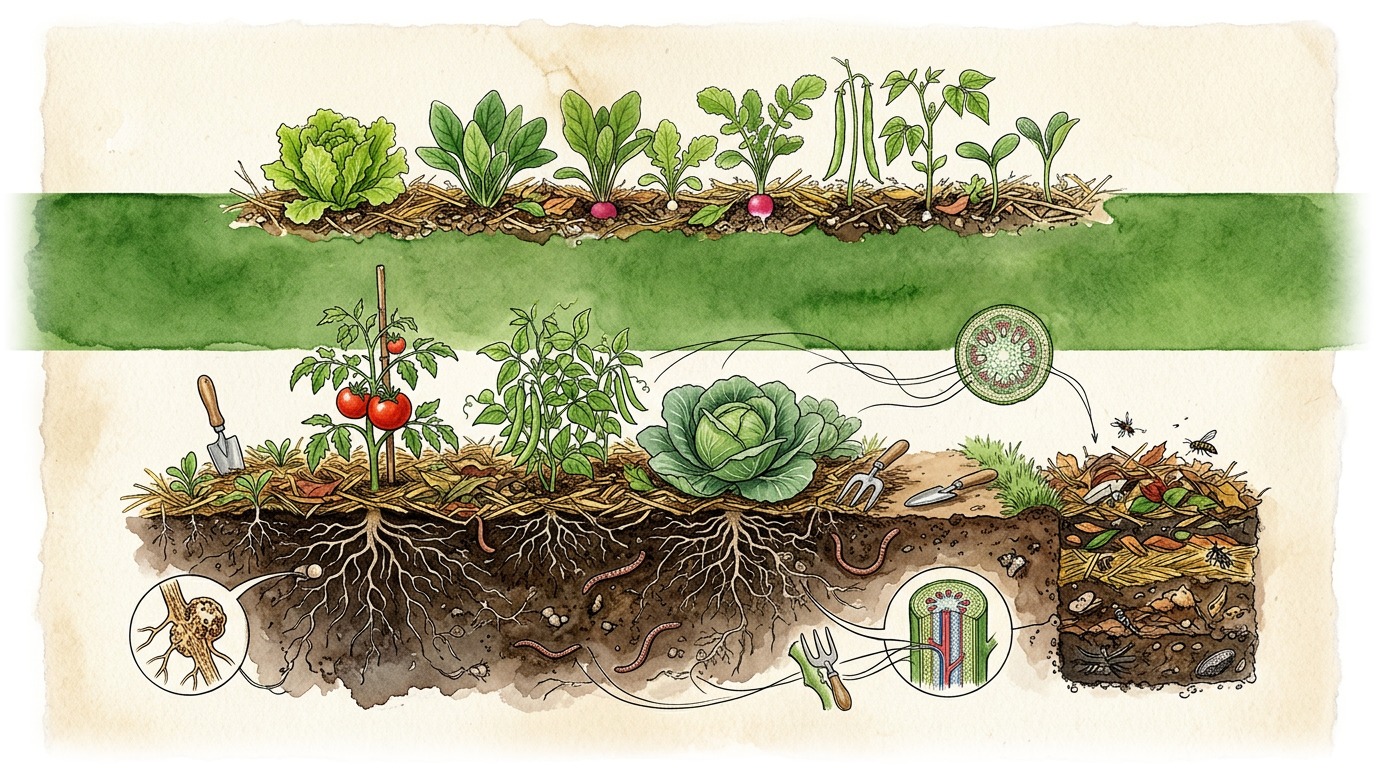
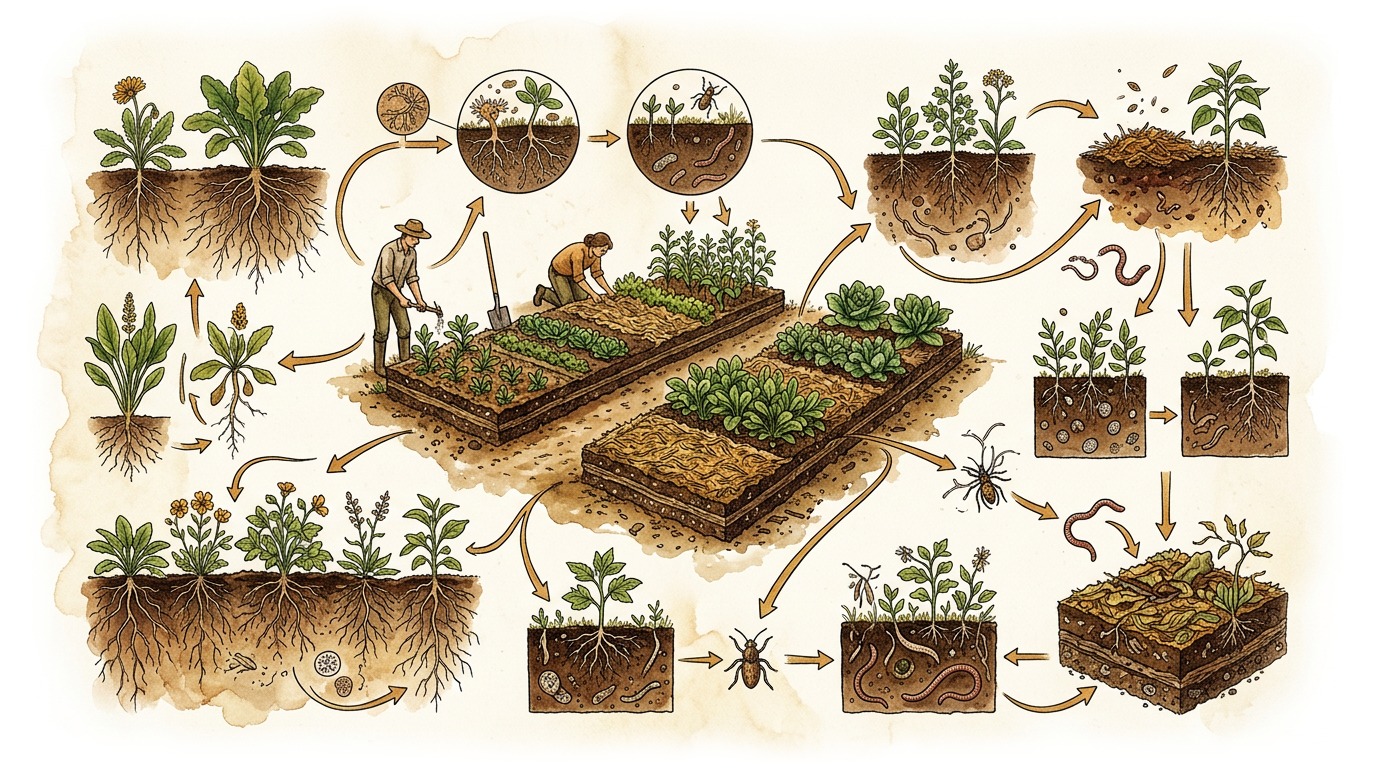
PARTIE 25 SUR 30 Bio-intensive Market Gardening in Living Soil Naturally Strengthens Plants and Soil.
Bio-intensive Market Gardening in Living Soil Naturally Strengthens Plants and Soil.

Bio-intensive Market Gardening in Living Soil Naturally Strengthens Plants and Soil.

Result: plants are healthy and problems occur less frequently.

26
PARTIE 26 SUR 30 CHOOSING YOUR
CHOOSING YOUR

CHOOSING YOUR

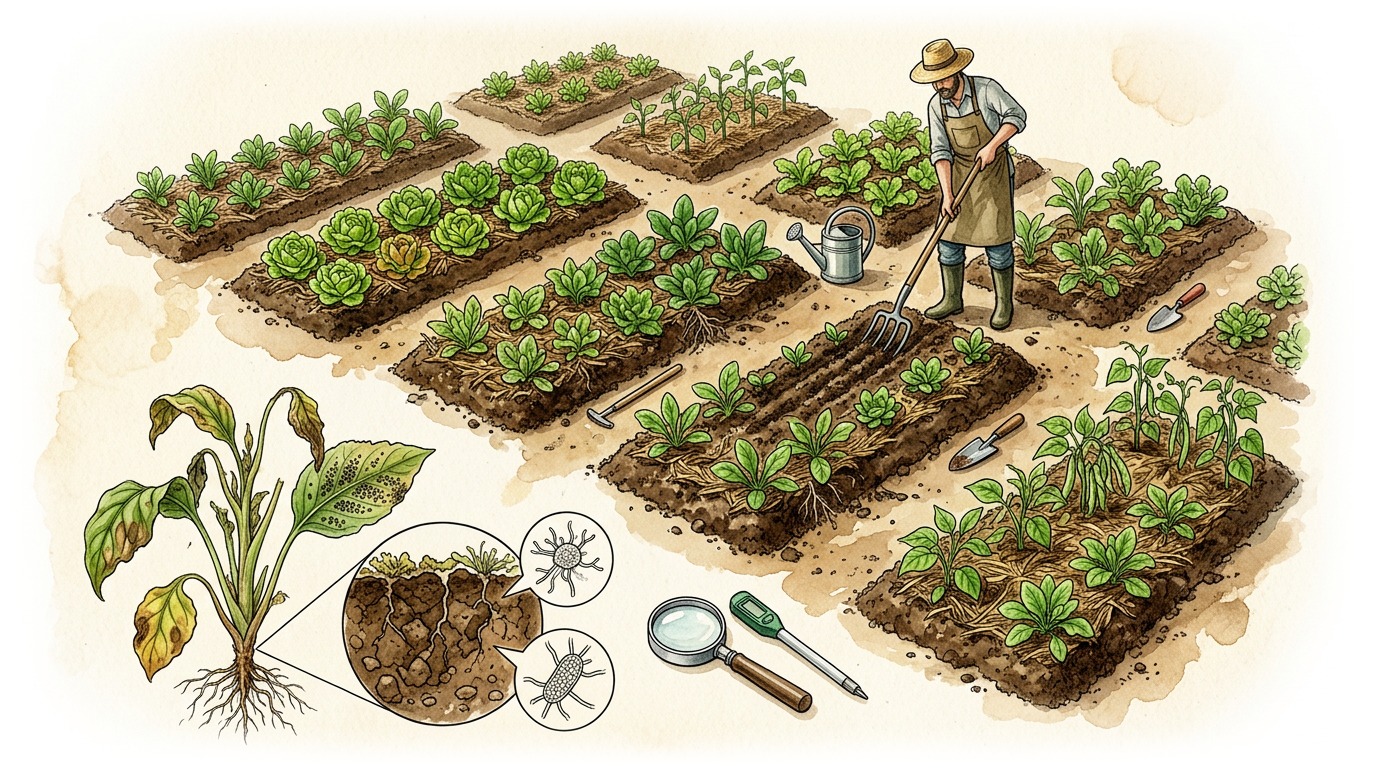
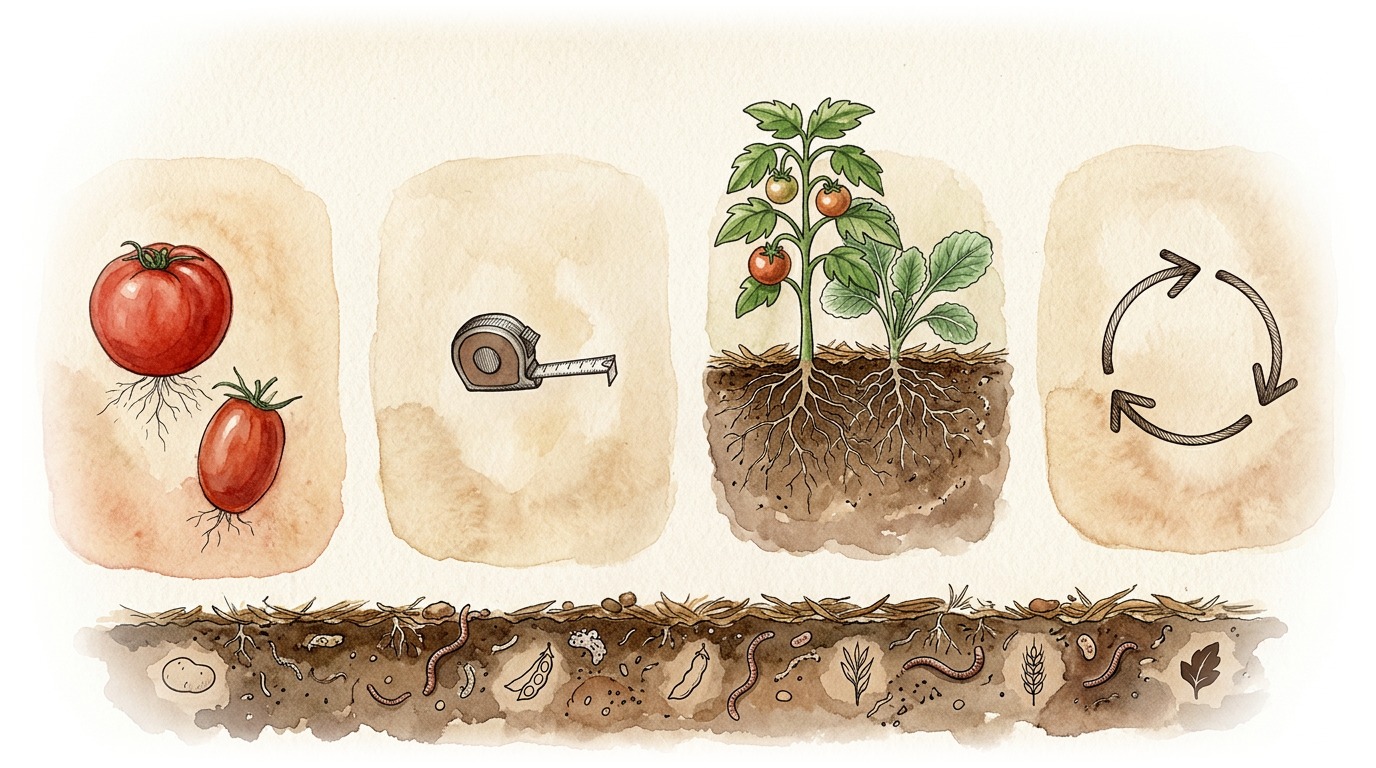
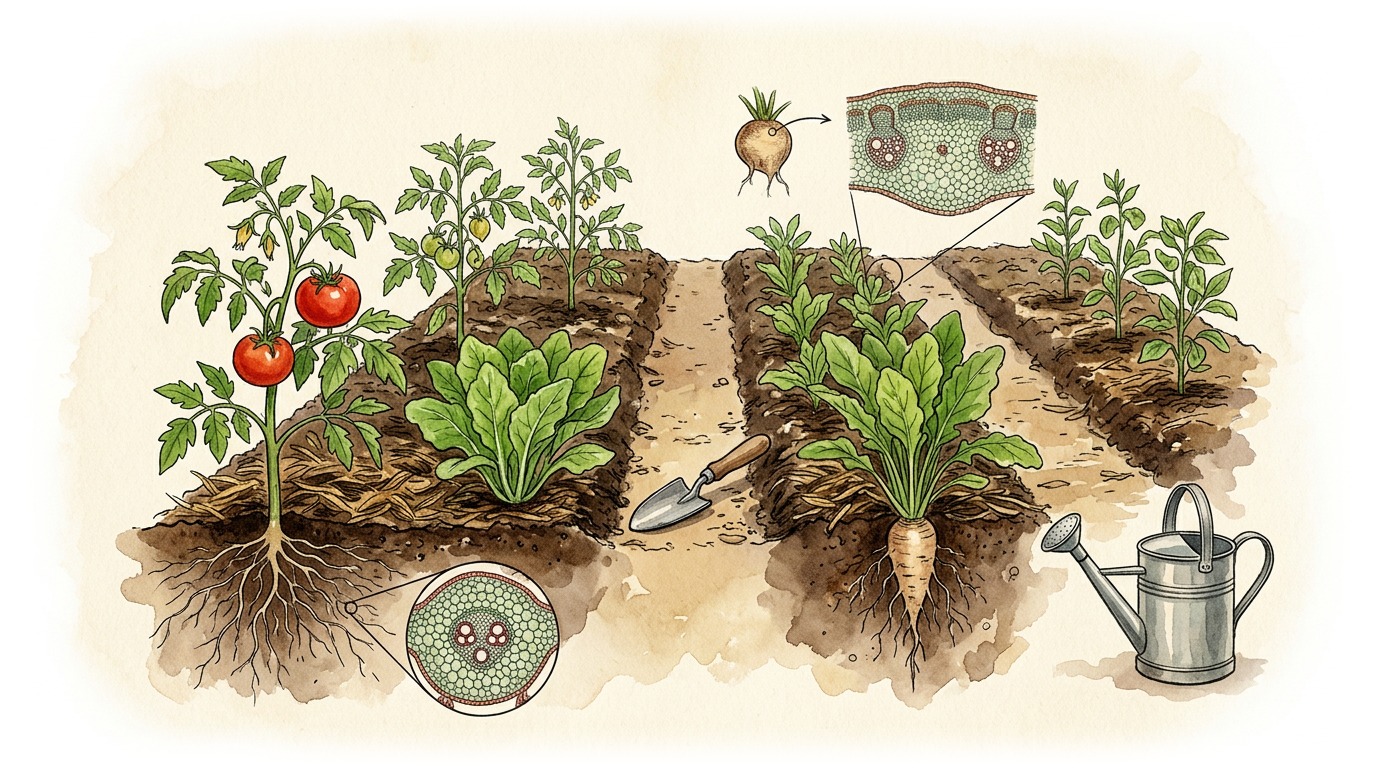
VARIETIES RESPECTING DISTANCES How to plant well in bio-intensive?

  • Choose your varieties according to the seasons
  • Respect planting distances
  • Associate crops
  • Practice crop rotations

ASSOCIATE CROPS PRACTICE ROTATIONS

27
PARTIE 27 SUR 30 ADAPT
ADAPT

ADAPT

WATERING MULCH COMPOST + GENTLE IRRIGATION

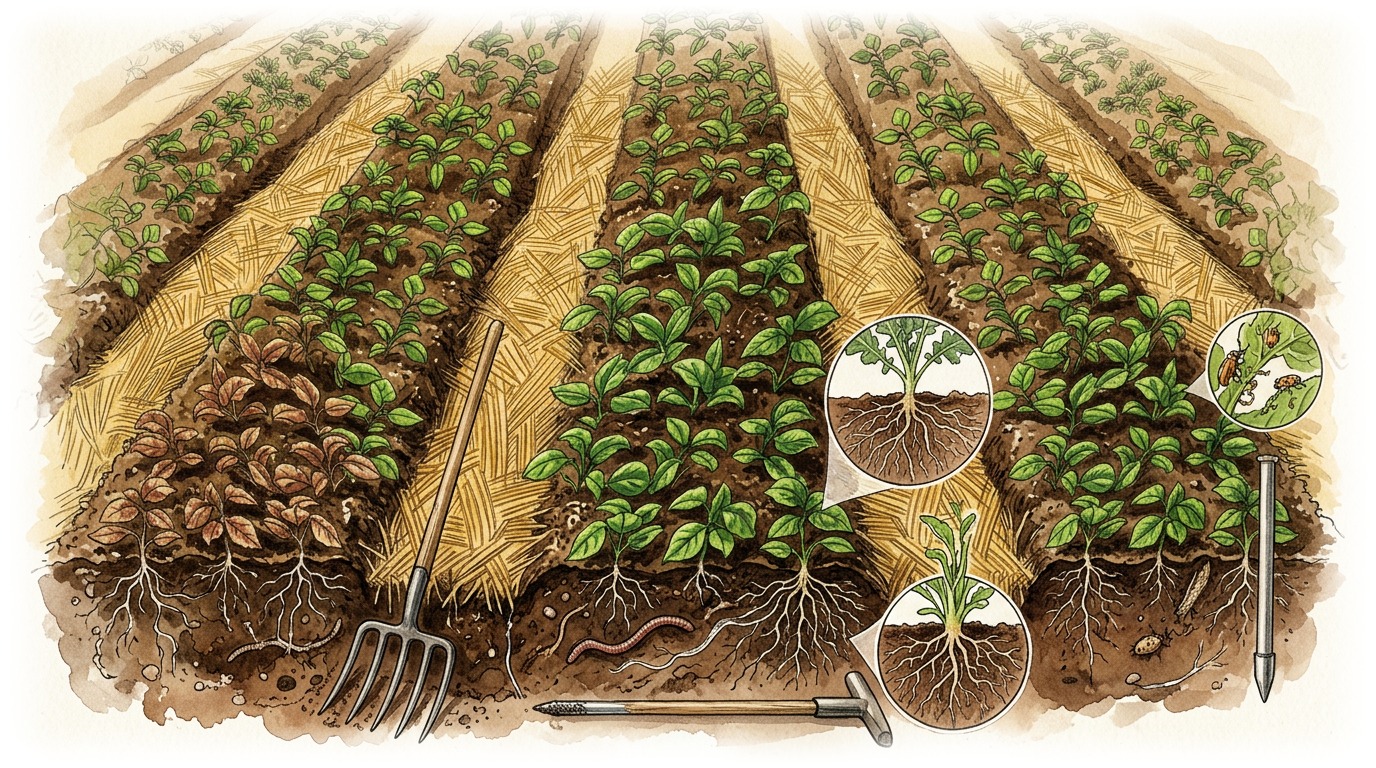
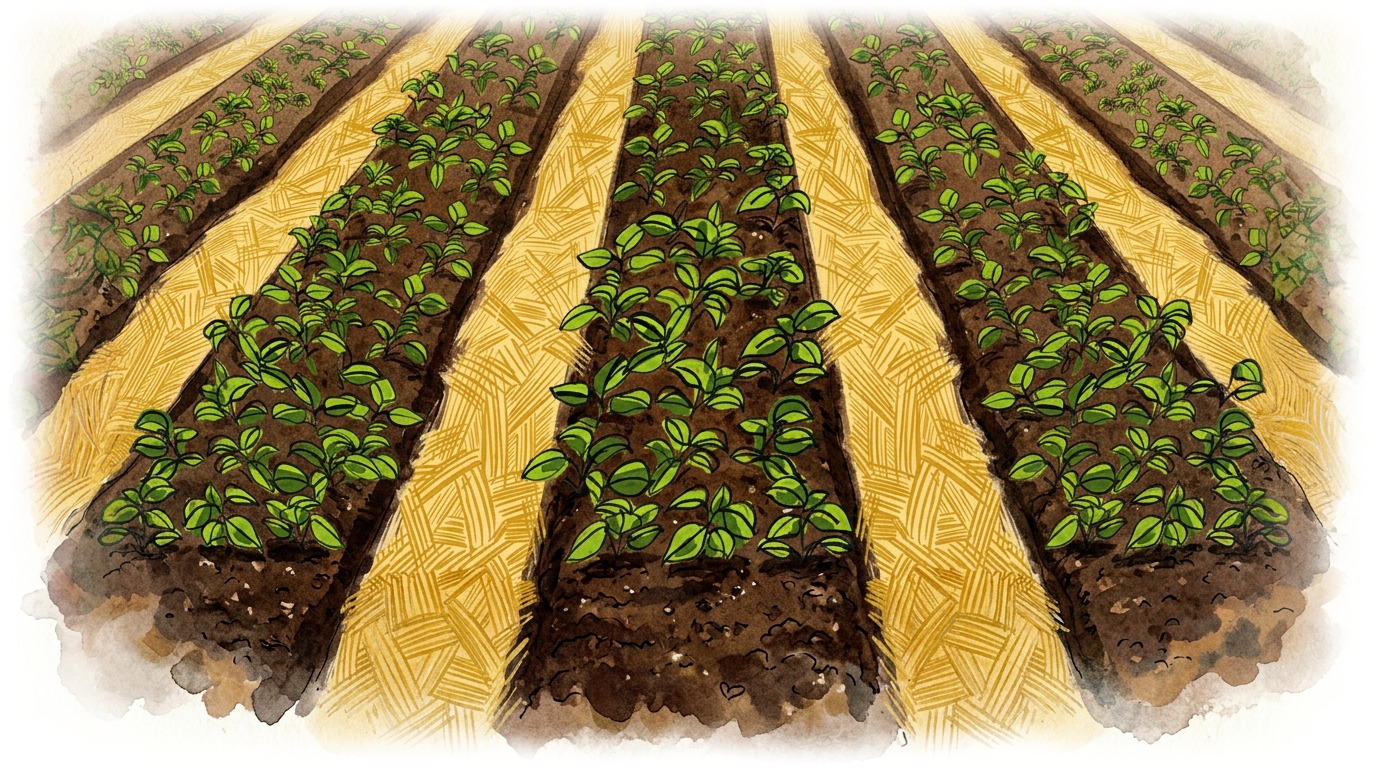
How to maintain your crops in living soil:

  • Regularly apply compost / compost tea
  • Mulch abundantly
  • Water beds and pathways with gentle irrigation
  • Use insect netting
  • Adapt water supply according to the plant's growth stage

NETTING

28
PARTIE 28 SUR 30 Making a Natural Treatment
Making a Natural Treatment

Making a Natural Treatment

Making a Natural Treatment

29
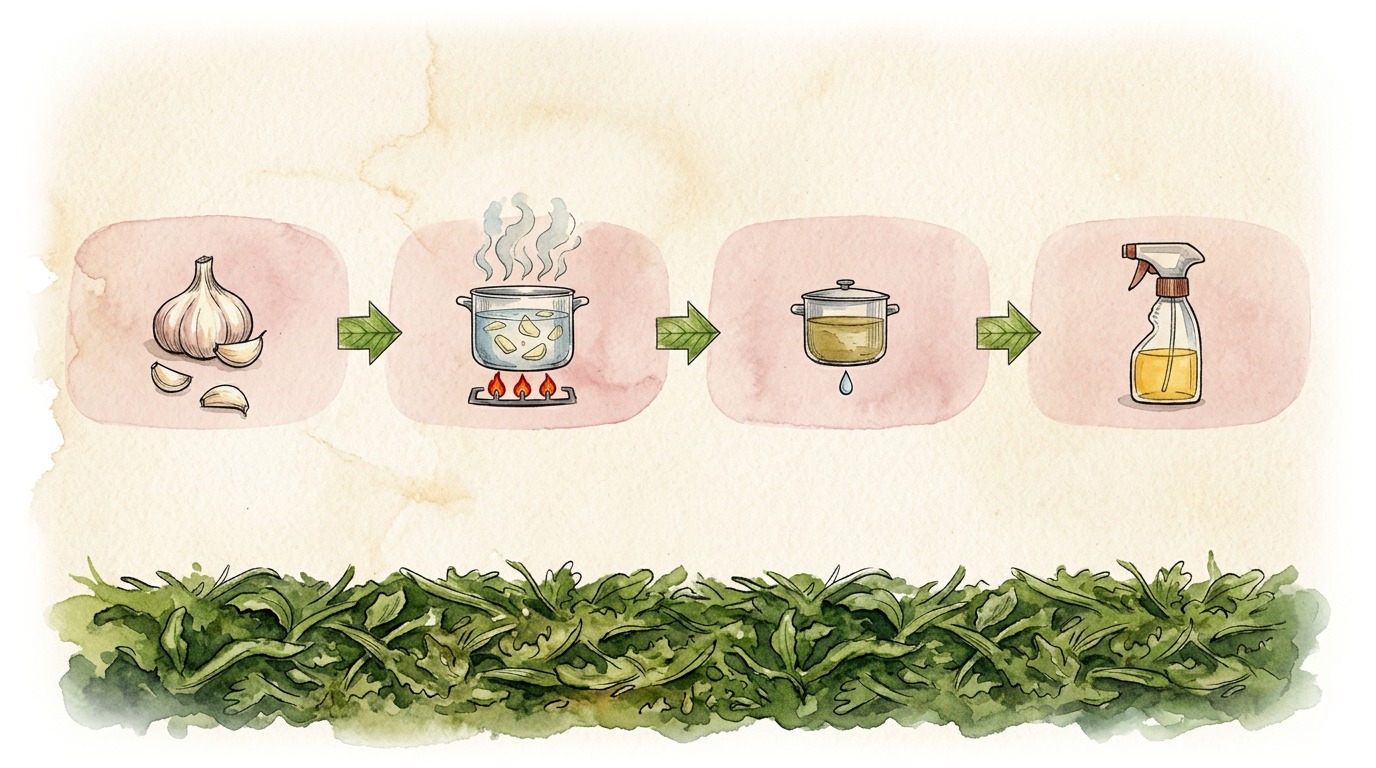
PARTIE 29 SUR 30 If the problem persists, a natural treatment must be used.
If the problem persists, a natural treatment must be used.

If the problem persists, a natural treatment must be used.

Certain plants can be transformed into manures, infusions, or decoctions to protect crops.

30
PARTIE 30 SUR 30 With living, well-nourished soil, netting to protect crops, and appropriate natural treatments, we can prevent

With living, well-nourished soil, netting to protect crops, and appropriate natural treatments, we can prevent

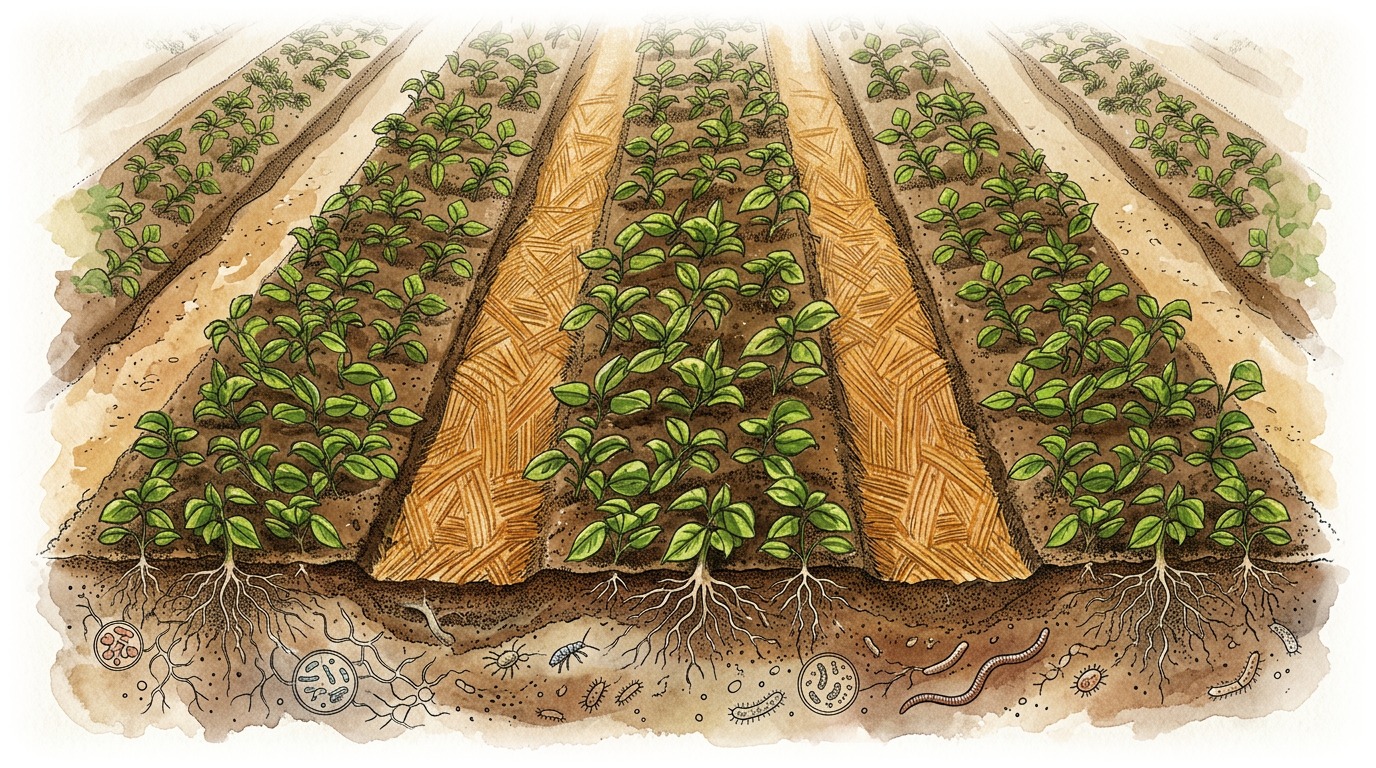
With living, well-nourished soil, netting to protect crops, and appropriate natural treatments, we can prevent
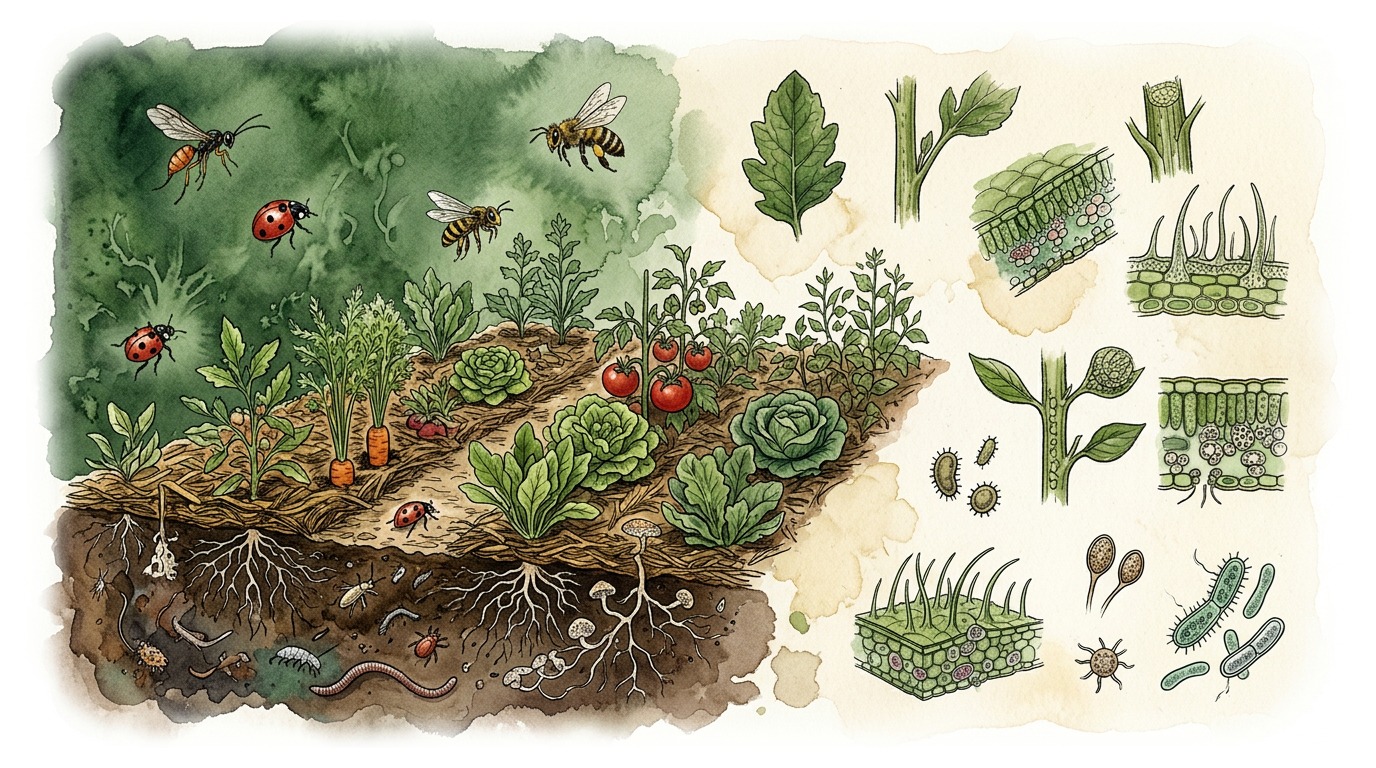
and manage most problems without using chemical products.

By practicing good crop rotation and making intelligent variety choices, we also promote more resilient plants and better harvests.